Iranian-linked hackers were responsible for a cyberattack on the Los Angeles Metropolitan Transportation Authority (MTA) on March 16, according to a report published by Israeli cybersecurity firm Gambit Security. The Metropolitan Transportation Authority (MTA) detected an intrusion into its computer systems on that date, initiating an immediate response to the breach. Gambit Security’s full report, released on a Tuesday, meticulously detailed the incident, stating unequivocally that the cyberattack was carried out by groups tied to Iran, showing the sophisticated nature of the digital intrusion. This incident notes ongoing concerns regarding state-sponsored cyber activities targeting critical infrastructure.
Attribution and Data Theft
In a significant breach of digital security, hackers stole at least 700 gigabytes of data from the Metropolitan Transportation Authority (MTA). This substantial volume of compromised information included a wide array of sensitive materials, such as internal emails, system backups, and various other critical files, all of which could potentially contain sensitive operational or personal data. The sheer quantity of data exfiltrated points to a deep and prolonged penetration of the MTA’s systems. Two weeks after the initial intrusion into the MTA's computer systems, a group identifying itself as 'Ababeel Minab' publicly claimed responsibility for the cyberattack online, taking credit for the extensive data theft and disruption.
Ababeel Minab asserted that it had not only stolen data but also deleted significant amounts of data as part of its operation, aiming to maximize disruption to the targeted systems. The group further published a video, which it alleged depicted its members actively operating within the MTA's internal systems, providing what they claimed was visual evidence of their access and control. This public display of their capabilities served as a direct challenge to the MTA's cybersecurity measures. Cybersecurity researchers have closely analyzed 'Ababeel Minab' and other similar groups, identifying them as potential fronts or cover operations for Iranian intelligence operatives, suggesting a more organized and state-backed motive behind these digital incursions.
The extensive cache of stolen data accidentally surfaced on the internet, which subsequently allowed cybersecurity researchers to meticulously trace the origins and nature of the cyberattack. This inadvertent exposure of the data provided critical insights into the incident, offering a rare glimpse into the methods and targets of the hacking group. The accidental leak was instrumental in confirming the scope of the breach and identifying the perpetrators. The incident shows the persistent threat posed by sophisticated cyber adversaries to public sector entities and critical infrastructure.
Impact on Transit Systems
The cyberattack compelled the Metropolitan Transportation Authority (MTA) to partially close its digital systems, disrupting normal operations across various departments. This measure was a necessary step to contain the intrusion and prevent further damage. The incident necessitated the closure of entire sections of the MTA's digital network as a proactive measure to isolate compromised systems and mitigate the spread of the attack. Despite these significant disruptions to its internal digital infrastructure, the MTA stated that the cyberattack did not interrupt the circulation of its trains and buses, assuring the public that essential transit services continued without suspension. This continuity of service was a key priority for the authority amidst the cyber crisis.
Local media outlets reported that the attack had several visible impacts on public-facing systems, directly affecting commuters and daily operations. Specifically, some schedule display screens across the transit network were disabled following the intrusion, leading to confusion and inconvenience for passengers relying on real-time information. Additionally, users encountered difficulties when attempting to recharge their transport cards, indicating issues with payment or information systems that are key for daily transit use. The partial shutdown of digital systems and subsequent public-facing issues suggest a significant, though not catastrophic, operational challenge for the transit authority, noting vulnerabilities in essential public services. The MTA's rapid response focused on maintaining core services while addressing the digital breach.
Broader Context and State Links
The cyberattack on the Los Angeles Metropolitan Transportation Authority is part of a broader wave of digital offensives attributed to Iran, which have been launched since the beginning of the armed conflict with the United States and Israel. This pattern suggests a coordinated and strategic effort to leverage cyber capabilities in the geopolitical landscape. Ababeel, the group claiming responsibility for the LA Metro incident, has also asserted intrusions against other significant targets, including the Tri-Rail commuter train network in South Florida and the vehicle geolocation company Fainx. These claims highlight a consistent pattern of targeting infrastructure and technology firms, indicating a strategic focus on disrupting or compromising critical services and data. The group's activities demonstrate a breadth of targets and a persistent operational tempo.
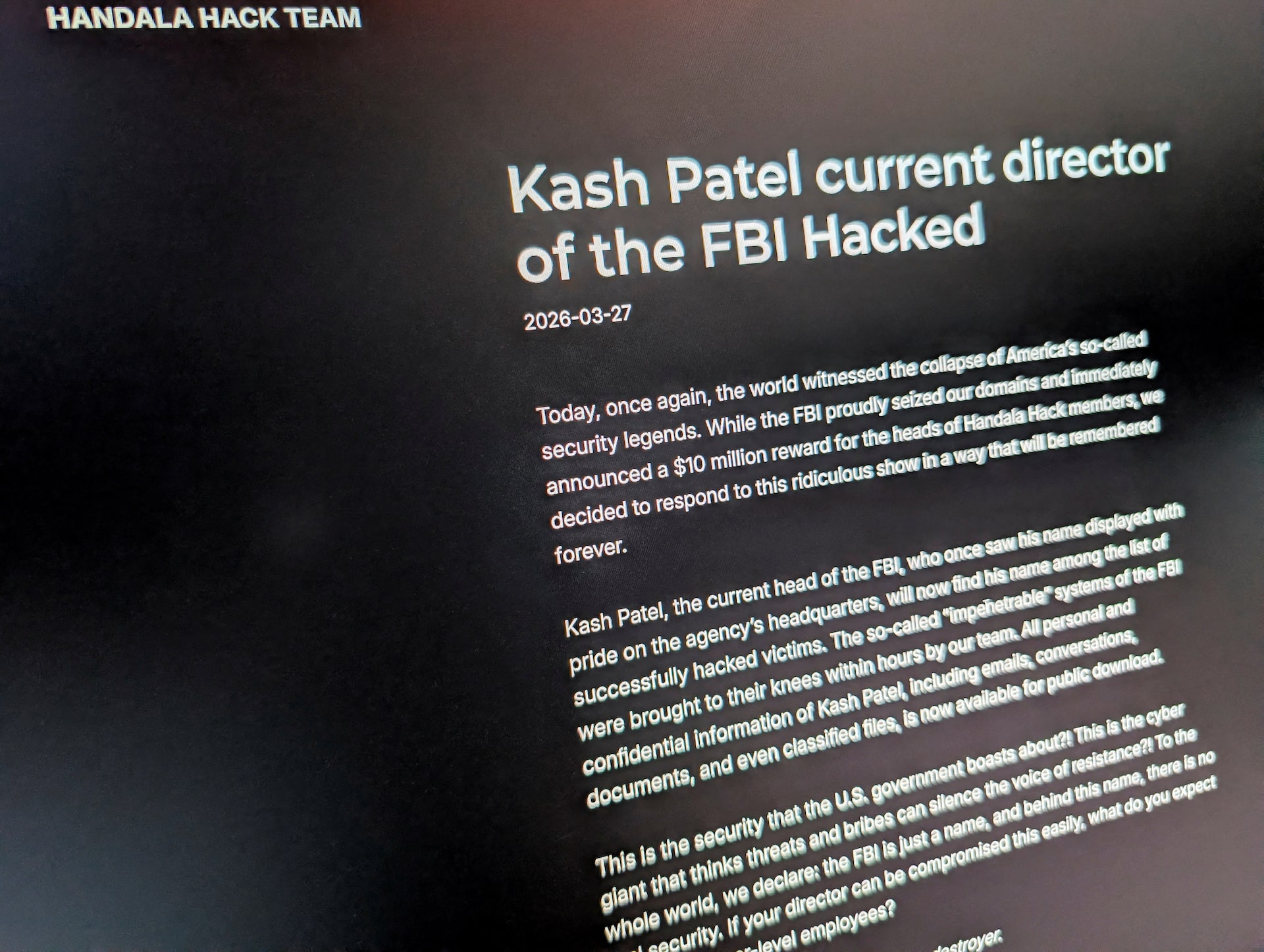
Other cyber incidents attributed to Tehran since late February include a major cyberattack against medical equipment manufacturer Stryker, a global leader in its field. This attack on a healthcare-related entity further illustrates the diverse range of sectors targeted by Iranian-linked groups. Additionally, the leak of personal emails from FBI Director Kash Patel has been linked to Iranian-backed activities, demonstrating an intent to target high-profile individuals and sensitive government information. Further allegations point to the remote manipulation of fuel pump meters in US gas stations, indicating a diverse range of targets and methods employed in these operations, from direct infrastructure disruption to information warfare. These incidents collectively paint a picture of a wide-ranging and aggressive cyber campaign. The FBI has stated its commitment to addressing such threats, noting it will "coordonner avec ses partenaires pour y faire face," which translates to "coordinate with its partners to deal with it," emphasizing a collaborative approach to national cybersecurity.
Official Responses and Investigations
Gambit Security, the Israeli cybersecurity firm, stated that their research provided legal digital evidence directly linking the hacking group 'Ababeel Minab' to the Iranian state. This attribution is key for understanding the geopolitical implications of the cyberattacks. Separately, Tri-Rail, the commuter train network in South Florida, confirmed a hacking incident affecting its systems "for about a month," acknowledging a sustained period of compromise. However, Tri-Rail also stated that the targeted data was not sensitive, suggesting that while the intrusion was prolonged, its impact on critical information was limited. Fainx's owner, Anix, detected an intrusion on April 2, a separate but related incident in the wave of attacks. Anix indicated that the FBI "understands very well who these criminals are," implying that law enforcement has a clear picture of the perpetrators behind these sophisticated cyber operations. The FBI confirmed its awareness of the incident and stated its commitment to addressing such threats, noting it would "coordonner avec ses partenaires pour y faire face," which translates to "coordinate with its partners to deal with it." This commitment shows the seriousness with which these incidents are being treated by federal agencies, noting the ongoing efforts to combat state-sponsored cyber warfare.