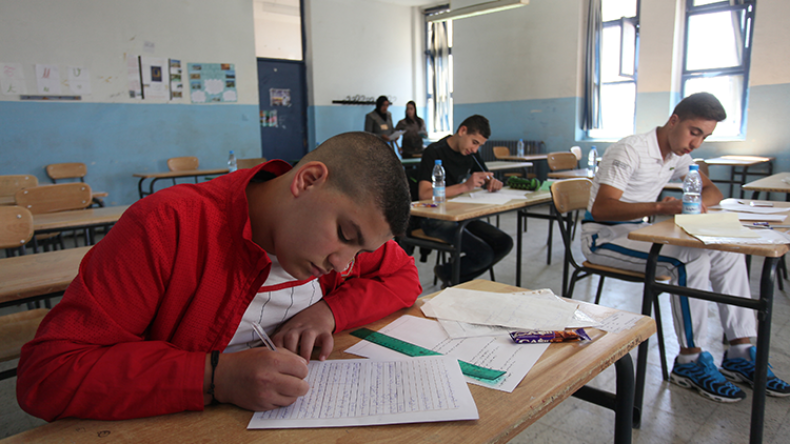
Algeria will hold supplementary exams for students on June 22 and 23, providing a second opportunity for those who did not succeed in initial assessments. This measure aims to give students another chance to pass their academic requirements. The rescheduled dates, specifically set for June 22 and 23, allow for adequate preparation time, ensuring fairness in the evaluation process. This initiative is part of an ongoing effort to support student performance and educational continuity within the Algerian national system. The decision shows a commitment to providing pathways for academic progression and mitigating potential setbacks for students across various educational levels.
Purpose and Support Mechanisms
The supplementary exams are specifically designed for students facing academic challenges, particularly those who are struggling academically and require additional support to meet educational standards. This measure serves as a pedagogical mechanism, enabling students to re-evaluate in subjects where they initially struggled, according to official statements from educational authorities. The intent is to provide a structured opportunity for students to demonstrate improved understanding and mastery of the curriculum. To support students preparing for these key assessments, schools across Algeria are actively organizing dedicated support and review sessions. These sessions aim to reinforce learning, address specific difficulties students might encounter in various subjects, and provide them with additional resources to improve their performance in the upcoming exams. These preparatory efforts are critical in ensuring students are well-equipped to tackle the supplementary tests.
Policy and Expert Views
The Ministry of National Education has clearly stated its objective for these supplementary exams: to reduce failure rates and combat school dropout across the entire educational system. This policy reflects a proactive approach to student retention and academic success. Experts view the implementation of these exams as an integral part of a broader policy focused on 'giving a chance' to students, rather than opting for early exclusion from academic pathways. This perspective emphasizes a more inclusive and supportive educational environment. Specialists in education further emphasize that the supplementary exams should be based on a genuine assessment of students' capabilities. They advocate for an approach that considers individual differences and incorporates psychological and educational aspects to ensure a fair and effective re-evaluation process. Such an approach aims to accurately gauge student progress and provide meaningful opportunities for improvement, rather than merely re-testing. The emphasis on genuine assessment ensures that the re-evaluation process is strong and beneficial for student development.
Parental Hopes and Future Calls
Parents across Algeria are reportedly relying heavily on these supplementary exams as a critical opportunity to salvage their children's academic year. For many families, the stakes are exceptionally high, as the exams represent a final chance for their children to progress to the next academic level, thereby easing familial concerns about potential setbacks in their educational journeys. This reliance shows the profound importance and the high stakes associated with the upcoming assessments for numerous households across the nation. The success of these exams is seen not just as an individual achievement but as a collective hope for families invested in their children's future.
Concurrently, there is a broader call from educational stakeholders to enhance continuous pedagogical support throughout the academic year. This proactive approach aims to reduce the overall number of students who might require supplementary exams in the future by addressing academic difficulties earlier. Proponents argue that strengthening foundational learning and providing consistent assistance could mitigate academic difficulties before they necessitate re-evaluation. This long-term strategy seeks to create a more resilient and supportive educational framework that minimizes the need for last-minute interventions, ultimately fostering greater student success and reducing the burden on both students and the examination system.