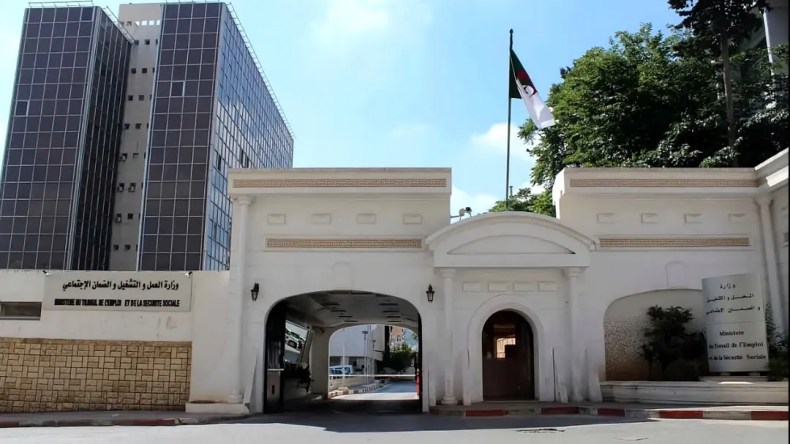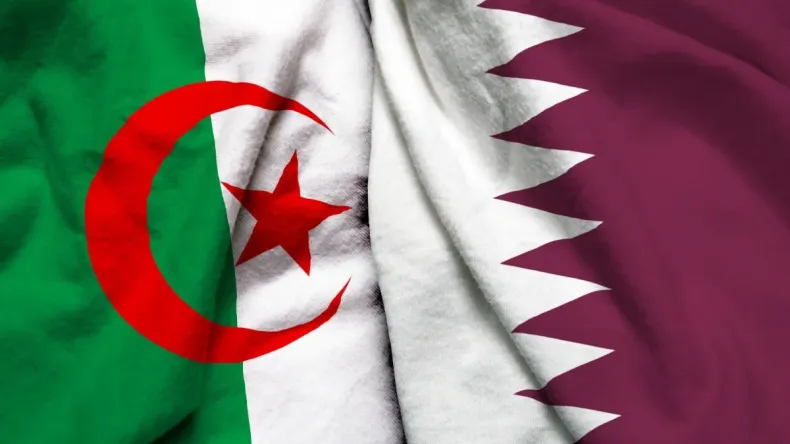
Algeria and Qatar are strengthening their bilateral relationship, building on historical ties that began after Algeria's independence in 1962. The deep roots of this relationship trace back to this key period, laying the groundwork for sustained diplomatic engagement. This diplomatic foundation was solidified with the opening of the Algerian embassy in Doha in 1973, marking a significant step in formalizing relations between the two nations. This was followed by the establishment of the Qatari embassy in Algiers during the second half of the 1970s, further cementing their diplomatic presence in each other's capitals. The current deepening of ties is driven by Algeria's strategic objective to diversify its economy and decrease its reliance on hydrocarbons, a key goal for the North African nation. Concurrently, Qatar aims to expand and reinforce its investment presence across North Africa, seeking new avenues for economic growth and regional influence. This alignment of economic interests underpins the renewed focus on collaboration between the two nations, translating into concrete projects and agreements.
Economic Ties Expand Significantly
Algeria and Qatar have formalized their expanding economic relationship through the signing of more than 15 agreements and Memoranda of Understanding. These extensive agreements cover a wide range of sectors, providing a full framework for enhanced cooperation. This extensive framework underpins a significant increase in Qatari financial engagement within Algeria, signaling a strong commitment from Doha. Qatari direct and indirect investments in Algeria are projected to reach between $4 billion and $6 billion by 2025-2026, indicating a substantial future commitment. This substantial investment figure reflects Qatar's growing economic presence in the North African nation, reinforcing its position as a key partner.
The overall Qatari investments in Algeria are currently estimated to be within the same range, between $4 billion and $6 billion. This existing investment base notes the ongoing economic relationship between the two countries. These investments have seen a considerable portion directed towards key development areas, focusing on sectors vital for Algeria's growth, particularly agriculture, the food industry, and real estate. Since 2020, Qatari institutions have contributed billions of dollars to various infrastructure, housing, and construction projects across Algeria, demonstrating a sustained commitment to the country's development. This financial commitment supports Algeria's developmental goals and strengthens bilateral economic links, fostering mutual prosperity.
While investments have expanded, the trade volume between the two countries has also seen an increase. In 2020, the trade volume between Algeria and Qatar was approximately $36 million. The following year, this figure rose to approximately $41 million in 2021, indicating a positive trend in commercial exchanges, though still with significant room for growth. The agreements and investments are expected to further stimulate trade and economic cooperation in the coming years, potentially leading to a more diversified and substantial bilateral trade relationship. The focus on strategic sectors like agriculture and industry is anticipated to drive this growth.
Key Agricultural and Industrial Projects
Qatari investments in Algeria are primarily directed towards the sectors of agriculture, the food industry, and real estate, reflecting strategic priorities for both nations. Within this framework, food security projects in southern Algeria, particularly for grain, feed, and dairy production, are valued in the hundreds of millions of dollars. These projects are critical given Algeria's reliance on food imports. Algeria's annual food import bill exceeds $10 billion, noting the strategic importance of these agricultural initiatives in reducing dependency and enhancing national self-sufficiency. The emphasis on these sectors aligns with Algeria's broader economic diversification strategy, seeking to reduce its historical dependence on hydrocarbon revenues and build a more resilient economy. Qatar's involvement provides key capital and expertise, contributing to the development of strong domestic capabilities in these vital areas.
On April 24, 2024, Algeria formalized an agreement with the Qatari company Baladna for a substantial agricultural-industrial project. This venture aims to produce milk powder and its various derivatives, directly addressing a key food import category. The agricultural-industrial project with Baladna carries a valuation exceeding $3.5 billion, making it one of the largest foreign investments in Algeria's agricultural sector. Located in Adrar, Algeria, the project is set to cover an extensive area of approximately 117,000 hectares, providing ample space for large-scale agricultural operations. This significant land allocation shows the ambitious scale of the initiative, designed to make a substantial impact on Algeria's food production capacity. The partnership with Baladna, a prominent Qatari entity in the dairy sector, brings specialized knowledge and advanced technologies to the Algerian market, fostering local skill development and technological transfer.
The primary objective of the Baladna project is to produce around 50% of Algeria's milk powder requirements, a significant step towards national food security. This initiative is also expected to significantly contribute to employment, with projections indicating the creation of nearly 5,000 direct jobs, providing economic opportunities in the region. Algeria currently spends between $8 billion and $10 billion annually on food imports, a figure that shows the potential economic impact of such domestic production efforts, offering substantial savings and fostering local industry. The successful implementation of this project is anticipated to not only reduce import dependency but also stimulate ancillary industries, creating a ripple effect of economic growth and job creation across the agricultural value chain.
Strategic Alignment and Future Outlook
Coordination in the energy sector between Algeria and Qatar is strengthened through their participation in the Gas Exporting Countries Forum (GECF). Both nations are significant members of the organization, which provides a platform for dialogue and collaboration on natural gas-related issues. This involvement allows for strategic alignment on global energy markets and policies, enabling them to coordinate efforts and share insights on critical energy matters. Their shared membership facilitates discussions on production, pricing, and market stability within the global gas industry. This collaboration is particularly relevant given both countries' roles as major gas producers, allowing them to collectively influence global energy dynamics and ensure stable returns from their natural gas resources.
The Algerian Cultural Center in Qatar was formally established following Presidential Decree No. 26-02, dated January 7, 2026. The decree outlines the center's role in promoting Algerian culture and fostering cultural exchange between the two countries, extending their partnership beyond economic and political spheres. Its establishment is expected to enhance bilateral ties beyond economic and energy collaboration, expanding into educational and artistic domains, thereby enriching the relationship on multiple levels. This cultural institution will serve as a hub for Algerian arts, traditions, and intellectual discourse in Qatar, further solidifying the bonds between the two nations. The center is anticipated to host various events, exhibitions, and educational programs, fostering a deeper understanding and appreciation of Algerian heritage among the Qatari population and expatriate communities. This initiative reflects a full approach to bilateral relations, recognizing the importance of cultural diplomacy alongside economic and strategic partnerships. The establishment of such a center shows a long-term vision for a multifaceted relationship, building bridges between societies and promoting mutual understanding at a grassroots level, complementing the strong economic and political engagements.