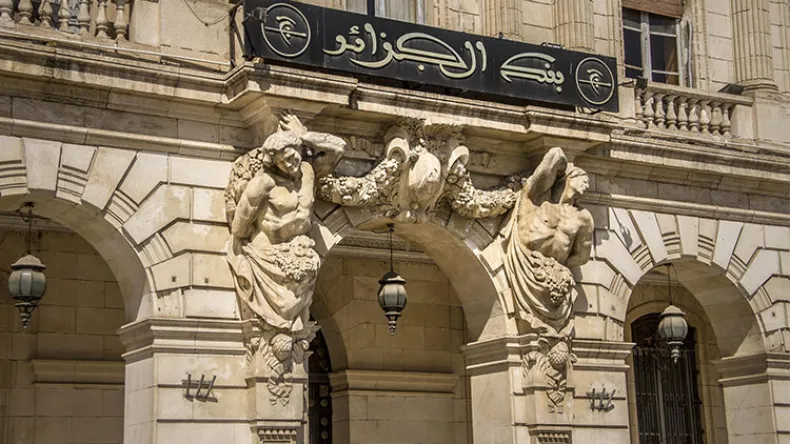
Algerian public banks have initiated expanded coordination meetings involving their officials, agency managers, and central and local cadres to implement new directives from the Bank of Algeria. These meetings are specifically designed to ensure a unified and effective approach to the central bank's guidelines. These directives concern foreign trade banking operations and updating banking network mechanisms, forming a full strategy for the sector. Mounir Bellaali, the acting General Manager of Banque Extérieure d'Algérie, chaired one such significant meeting with managers from 50 agencies, regional directors, and central directors to discuss foreign trade. The session focused extensively on export and import files, associated challenges, and concerns, stressing the critical importance of adherence to established procedures and regulations. These coordination efforts are part of a broader push to align all banking operations with the central bank's strategic vision for the nation's financial landscape.
Import Vigilance and Financial Scrutiny
The new directives from the Bank of Algeria represent a significant step towards enhancing financial oversight within the banking sector. They specifically require banks to verify the financial solvency of importers and apply the "Know Your Customer" memo, a key measure to prevent financial misconduct. Additionally, a memo has been issued against offering pre-shipment bank financing for importers, aiming to mitigate risks associated with speculative or fraudulent import activities. These instructions from the Bank of Algeria emphasize stricter monitoring of import operations, reflecting a commitment to safeguarding the integrity of international trade transactions.
The monitoring includes close scrutiny of bank financing stages, ensuring that commercial documents match shipping details, and enhancing pre-verification processes before transactions are approved. This intensified oversight aims to improve transparency and compliance within foreign trade operations, creating a more secure environment for all parties involved. A key focus of these new measures is combating practices such as invoice inflation or deflation in foreign trade operations, which can lead to capital flight or tax evasion. The central bank's guidance seeks to prevent financial irregularities and ensure fair trade practices among Algerian businesses involved in international transactions, thereby protecting the national economy. These measures are designed to foster a more disciplined and accountable approach to import activities across the banking network.
Export Facilitation and Digital Push
Algerian banks have received clear directives to enhance export facilitation by expediting file processing, simplifying procedures, and actively supporting economic actors, particularly those within non-oil sectors. This push aims to streamline the export process and foster growth in diversified areas of the economy, reducing reliance on traditional hydrocarbon revenues. Banks are also accelerating their digital transformation efforts, which include the generalization of electronic payment services and the expansion of digital platform usage across their operations. This initiative seeks to modernize the banking sector, improve efficiency in financial transactions, and enhance customer experience through accessible digital solutions. Banks are encouraged to expedite financing, focusing specifically on productive institutions and various investment projects that contribute to national development. This measure is intended to stimulate economic activity and support businesses contributing to the nation's output, driving job creation and economic diversification. The Bank of Algeria's directives show a broader strategy to boost both domestic production and international trade, positioning Algeria for sustainable economic growth in the global market.
Service Expansion and Customer Focus
Algerian banks are also expanding their physical networks by opening new branches and improving existing facilities to enhance customer reception and service quality. This initiative aims to make banking services more accessible across the country, particularly in underserved regions, ensuring that a wider population can benefit from formal financial services. Concurrently, banking institutions are expanding the range of Islamic banking products available to clients, reflecting a strategic response to evolving market demands. This expansion is driven by increasing demand for these Sharia-compliant financial services, which include various ethical and interest-free financial offerings. The introduction and spread of these products are designed to cater to diverse customer preferences and promote financial inclusion within Algeria's financial sector, further diversifying the banking landscape and strengthening its responsiveness to the needs of the Algerian populace.