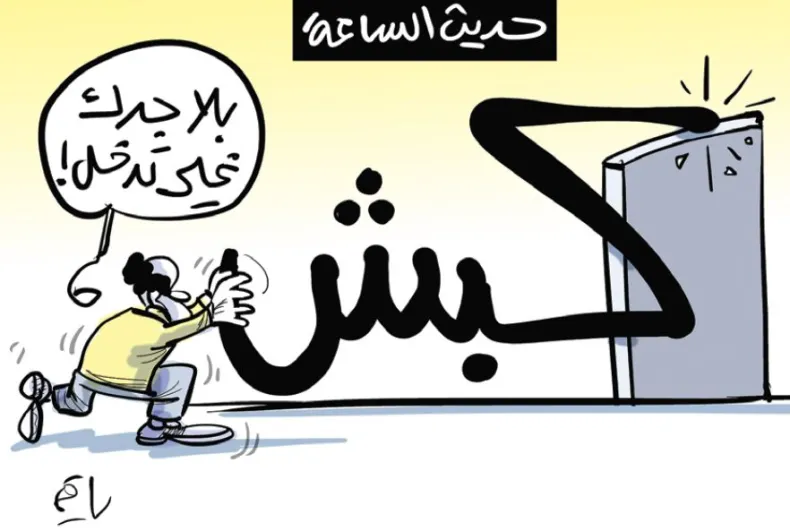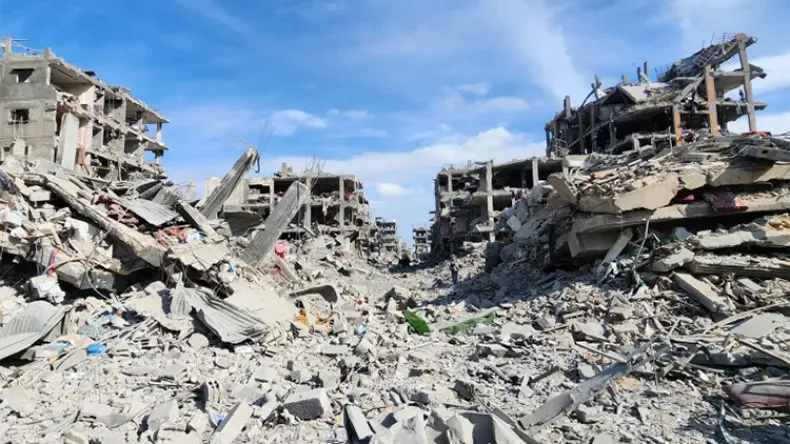
The ongoing conflict has been characterized by some as leaving Gaza a "bleeding boil" and the West Bank a "wounded head," according to descriptions circulating within the region. These metaphors illustrate the perceived severe and widespread suffering in both Palestinian territories amidst the sustained hostilities. The terminology reflects a grim assessment of the humanitarian and political situation in Gaza and the West Bank, showing significant distress. The descriptions highlight the deep impact of the current circumstances on the Palestinian population, painting a stark picture of the challenges faced by residents daily. This imagery suggests a profound sense of injury and continuous affliction, emphasizing the urgent need for attention to the conditions on the ground.
Suffering and Blockade
Destruction in Gaza has been described as unprecedented in the contemporary world. The scale of devastation, encompassing residential areas, infrastructure, and vital services, has left many communities in ruins. The Gaza Strip also faces significant travel restrictions, with Gazans reportedly prevented from traveling, even through humanitarian crossings with Egypt. This severe limitation on movement isolates the population, hindering access to medical care, education, and economic opportunities outside the territory. The Rafah crossing, a key gateway for Gazans, is strictly monitored and searched, further limiting movement in and out of the territory. This stringent control contributes to the feeling of an open-air prison, exacerbating the humanitarian crisis. Additionally, the occupation is accused of daily ceasefire violations, which include assassinating resistance leaders and destroying vital facilities within Gaza. These alleged violations contribute to an atmosphere of insecurity and instability, making any semblance of normal life incredibly difficult for the residents. The destruction of essential infrastructure, coupled with the persistent threat of violence, has led to a severe decline in living standards and an overwhelming sense of despair among the populace.
Global Attention and Political Context
Gaza has reportedly shifted from the center to the periphery of global media attention. This diminishing focus comes despite the persistent and severe humanitarian crisis unfolding within its borders. It is also presented as the cause of past aggressions against Iran, Lebanon, Yemen, Iraq, and Syria, a claim that frames the local conflict within a much broader regional context of geopolitical tensions and interventions. The United States administration's "stalled peace project" and the "Abrahamic dome" are mentioned in discussions surrounding the regional context, indicating ongoing diplomatic efforts and security architecture proposals that have yet to yield a lasting resolution for Gaza. The situation in Gaza, according to some analyses, has become less prominent in international news cycles, overshadowed by other global events or perceived as a protracted issue without immediate solutions. This shift occurs even as discussions continue to link Gaza to broader geopolitical narratives concerning other Middle Eastern nations, suggesting a complex interplay between local conflict and wider regional dynamics, influencing how the crisis is perceived globally. The intricate web of regional claims and international diplomatic initiatives further complicates the path toward peace and stability for the besieged territory.
Resilience and Unfulfilled Rituals
There will be no Hajj pilgrimage or Eid sacrifices for the besieged people of Gaza this year, according to the article. This cancellation of deeply significant religious observances shows the profound disruption to daily life and cultural traditions caused by the ongoing conflict and blockade. A passage from the text states, "لا حجَّ هذا العام لشعب غزة المحاصَر، المقاوم. لا حجَّ اليوم ولا عمرة غدا… ولا عيد ولا أضاحي غدا" (No Hajj this year for the besieged, resisting people of Gaza. No Hajj today, no Umrah tomorrow… no Eid and no sacrifices tomorrow). This indicates a significant disruption to religious observances and traditions for the population, denying them spiritual solace and communal celebration during a time of immense hardship. Despite the severe deprivation, the article claims that Gaza maintains its resistance, patience, dignity, and honor. This assertion notes a narrative of enduring spirit and steadfastness in the face of overwhelming adversity, suggesting that even without the customary rituals, the people of Gaza hold onto their identity and resolve. The inability to perform these sacred rites is a stark reminder of the human cost of the conflict, yet the reported resilience speaks to the deep-seated fortitude of the Gazan people.