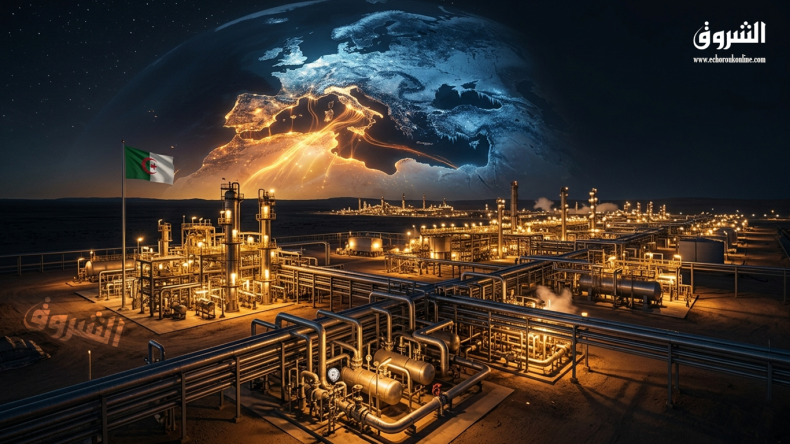
Algeria is predicted to become a major beneficiary in the global energy market, according to a recent report by Business Insider Africa. This assessment notes Algeria's strategic position as an energy producer in a volatile global landscape. This potential gain is contingent on disruptions in the Strait of Hormuz lasting between one and three months before the upcoming winter season. Such prolonged disruptions could significantly worsen Europe's gas crisis, potentially leading to sustained high energy prices across the continent. The report shows how current geopolitical factors and supply chain vulnerabilities are setting the stage for Algeria to play an increasingly key role in meeting international energy demands.
Algeria's Export Surge
Algeria recorded a significant jump in crude oil exports in April 2026, with key European and North American markets seeing substantial increases. This surge reflects a growing reliance on Algerian crude as global energy dynamics shift. Exports to Spain more than doubled, rising by 106% to reach 116,000 barrels per day in April 2026, compared to 56,000 barrels per day in the preceding month. This substantial increase demonstrates Spain's enhanced demand for Algerian crude. The United States also experienced a notable increase in Algerian crude imports, with volumes growing by 40.6% to 102,000 barrels per day. This marks a significant uptick in transatlantic energy trade.
Italy's imports of Algerian oil saw a sharp increase, climbing from 7,000 barrels per day to 55,000 barrels per day during the same period. This dramatic rise illustrates Italy's expanding energy partnership with Algeria. France maintained its position as the largest importer of Algerian oil, receiving 138,000 barrels per day in April 2026. This figure represented a considerable rise from the 43,000 barrels imported by France in the previous month, further solidifying the strong energy ties between the two nations. The overall surge in exports indicates a significant boost in Algeria's role within the global crude oil market, positioning it as a critical supplier for several major economies.
Europe's Energy Vulnerability
The European Union is actively pursuing diversification of its energy sources, aiming to reduce reliance on Russian gas by strengthening partnerships with Algeria in both pipeline and liquefied natural gas (LNG) sectors. This strategic shift is a direct response to ongoing geopolitical tensions and the imperative to secure stable energy supplies. Equinor officials have warned that an extended disruption in the Strait of Hormuz could lead to a severe supply shortage across Europe before the approaching winter. Such a scenario could lead to Dutch TTF gas prices rising to approximately 90 euros per megawatt-hour, noting the potential economic impact of supply chain disruptions.
Europe's current gas reserves are reported to be between 35% and 37%, which is below the seasonal average of about 50%. This lower-than-average storage level creates significant vulnerability as the continent approaches the colder months. Several countries are experiencing particularly low storage levels, exacerbating concerns about winter preparedness. The Netherlands, for instance, is at 5.8% of its storage capacity, Germany at about 20%, and France at nearly 27%. These figures are considerably lower than the EU's typical targets. The EU typically aims to raise its reserves to between 80% and 90% before the onset of winter to ensure sufficient supply and mitigate the risk of energy shortfalls. The current situation shows the urgency of securing alternative energy sources and bolstering existing partnerships.
Global Energy Dynamics
The Strait of Hormuz is a critical chokepoint, responsible for approximately one-fifth of seaborne oil exports and substantial quantities of liquefied natural gas (LNG) originating from Gulf countries. Its strategic importance cannot be overstated, as any disruption in this narrow waterway can send ripple effects across global energy markets, impacting prices and availability worldwide. This vital passage connects the Persian Gulf to the open ocean, making it indispensable for the transport of vast energy resources. Elsewhere on the continent, Nigeria maintains its position as a significant LNG exporter, dispatching up to 22 million metric tons per year. These exports contribute to the global supply chain, particularly for markets seeking diversified sources and reliable supplies of natural gas.
Adding to Africa's growing energy profile, Eni and BP announced a new oil discovery in Angola. The find is estimated to contain 500 million barrels, potentially increasing Angola's future production capacity and contributing to the continent's overall energy output. This discovery notes the ongoing exploration efforts across the continent and the potential for new reserves to come online. Such developments position Algeria, alongside other African energy producers, to play an increasingly important role in reshaping global energy supply maps, according to industry observations. The continent's vast resources are drawing heightened attention amid evolving international energy demands and the global push for energy security. These African nations are becoming key players in meeting the world's burgeoning energy needs, offering viable alternatives to traditional supply routes and sources.