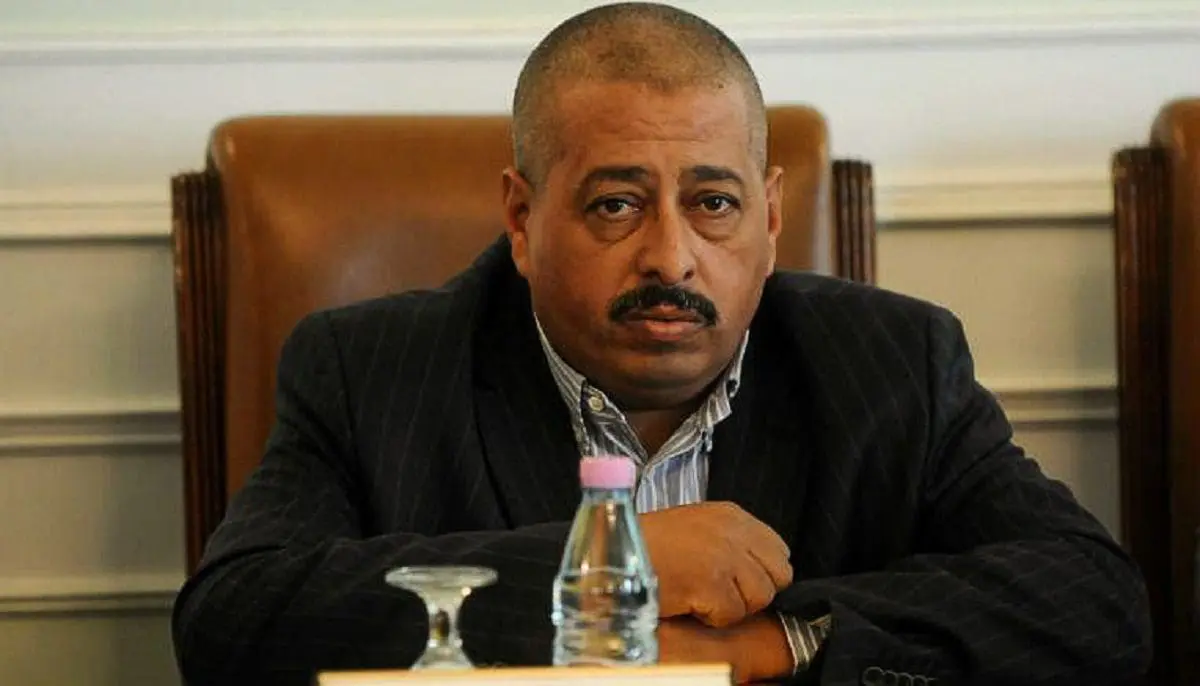
Algerian businessman Mahieddine Tahkout, currently incarcerated, appeared before the specialized financial and economic corruption court at Sidi M’hamed to face charges including money laundering, illicit capital transfers, and allegations of hidden real estate in Europe. Tahkout, identified as the former owner of the Hyundai automobile assembly plant, is currently embroiled in a legal process handled by the third chamber of the specialized pole. The proceedings are scrutinizing various financial transactions and assets linked to the businessman. Prosecutors have requested a 16-year prison sentence against him in the ongoing case. The court appearance marks a key development in the investigation into Tahkout's business practices and alleged financial irregularities, which have drawn significant attention in Algeria.
Detailed Charges and Prosecution Demands
Mahieddine Tahkout faces multiple charges, including falsification of private documents and money laundering within a criminal organization. Accusations also encompass participation in embezzlement of public funds, violations of foreign exchange and capital movement legislation, and exploitation of professional activity facilities. Additionally, authorities allege Tahkout engaged in the concealment of criminal income. The prosecution's case has meticulously outlined these various infractions, painting a picture of systematic financial misconduct. The presiding judge confronted Tahkout with evidence of illegal currency transfers, reportedly conducted through overpricing mechanisms. This method, often used to illicitly move funds across borders, formed a significant part of the prosecution's argument regarding capital flight.
Elements from international investigations were also presented, indicating his ownership of companies registered in Switzerland. These international probes have been key in tracing the alleged illicit financial flows. The overall investigation suggests that significant funds were illegally transferred abroad, primarily to Switzerland and Spain. These funds were then reportedly laundered through the acquisition of luxury real estate in those countries, further obscuring their origins and ownership. Further scrutiny arose from a customs investigation conducted at the Blida dry port. This inquiry revealed irregularities concerning the import of 36 containers of medical equipment, which were valued at over 14 million euros. The customs investigation noted potential breaches in import regulations and financial transparency related to business operations. The full nature of the charges and the evidence presented show the gravity of the accusations leveled against the prominent businessman.
Allegations of Hidden Wealth Abroad
The core accusation in the ongoing legal proceedings involves the alleged existence of a bank account in Switzerland linked to Mahieddine Tahkout. This particular allegation has been a focal point of the investigation, suggesting a major conduit for illicit financial activities. A report from the former Director General of National Security claims this account was credited with 1.17 billion euros. This substantial figure, if proven, would represent a significant sum of undeclared wealth held abroad. During the recent hearing, a significant real estate portfolio across Europe was revealed, reportedly including properties in Lille, Geneva, and Paris. This portfolio is presented by the prosecution as evidence of assets acquired through illicit means and subsequently laundered. The detailed enumeration of properties in major European cities suggests a widespread network for asset concealment.
Tahkout is also implicated through his pharmaceutical company, HH Medeco, which was founded in 2016. The company's operations have come under judicial scrutiny, with the prosecution seeking to determine if it played a role in any of the alleged financial irregularities or capital transfers. Further discussions during the proceedings mentioned a private American plane. Regarding this aircraft, Tahkout stated to the court that it was a two-year rental, addressing inquiries about its ownership and use. This explanation was provided in response to questions about the high-value asset and its potential link to undeclared wealth. The prosecution has been diligent in presenting all findings, including those from international investigations, to build a strong case against Tahkout concerning his alleged hidden wealth and illegal transfers.
Tahkout's Defense and Denials
Mahieddine Tahkout has consistently denied allegations regarding the Swiss bank account, stating he does not hold such an account. His defense hinges on a categorical rejection of this central claim, which carries significant weight in the overall charges. He claims to possess only three bank accounts, two of which are currently empty. The third account, according to Tahkout, contains 3,675 euros, which he asserts originated from a debt recognition with an associate identified as Djelali M. This detailed account of his personal finances is presented to counter the prosecution's narrative of vast hidden wealth. Regarding real estate, Tahkout acknowledged past activity but presented his acquisitions as legitimate commercial operations. He stated that he sold three apartments in Nice in 2008 for over one million euros and mentioned involvement in projects located in Montpellier and Paris. He maintained that these were legitimate business dealings, rather than illicit laundering activities.
Concerning his pharmaceutical company, HH Medeco, Tahkout attributed any irregularities to the judicial administrator. This defense strategy attempts to deflect responsibility for any financial discrepancies found within the company's operations. Throughout the proceedings, Mahieddine Tahkout has maintained a defense of denial, contesting all presented evidence and accusing reports of misleading the public. He has steadfastly held to his position, arguing that the accusations are unfounded and that his business activities have been conducted within legal parameters. His lawyers have worked to dismantle the prosecution's arguments, emphasizing the lack of direct evidence linking Tahkout to the alleged illicit accounts and transactions, and presenting his financial dealings as transparent and legitimate commercial endeavors.
Broader Context and Financial Stakes
The prosecution has requested a 16-year prison sentence for Mahieddine Tahkout, along with an 8 million dinar fine and the confiscation of all assets seized during the investigation. These demands reflect the severity of the charges and the state's determination to recover what it considers to be ill-gotten gains. The businessman has previously been convicted in several corruption cases originating from the Bouteflika era. These prior convictions add a layer of complexity to his current legal challenges, indicating a pattern of alleged financial misconduct that predates the ongoing trial. In a separate judicial matter, the Sidi M’hamed court had already imposed a 16-year sentence on Tahkout, demonstrating the consistent legal scrutiny he has faced.
The financial implications for the Algerian state are significant, as the public treasury has filed a civil claim seeking 300 billion centimes in damages. This substantial sum shows the perceived scale of financial loss incurred by the state due to Tahkout's alleged activities. These requests show the severity of the charges and the broader legal challenges Tahkout faces beyond the current proceedings. The ongoing case is one of several high-profile corruption trials that have taken place in Algeria since the change in political leadership, signaling a renewed focus on combating corruption and reclaiming public funds. The outcome of this trial will be closely watched, not only for its implications for Mahieddine Tahkout but also for its broader impact on Algeria's efforts to enhance financial transparency and accountability.