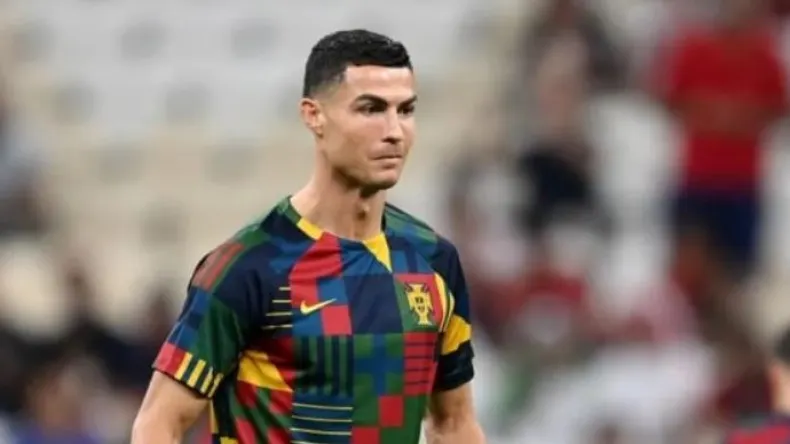
In mid-May 1998, the late Italian national coach Cesare Maldini announced the squad for the France World Cup, controversially including defender Giuseppe Bergomi. This decision marked a significant shift from past selections, which typically featured younger players and often saw athletes retire earlier in their careers. Today, the landscape of international football has evolved significantly, with several prominent players continuing their careers at advanced ages, challenging previous conventions. Portuguese star Cristiano Ronaldo is 41 years old, while Croatian midfielder Luka Modrić is 40. German goalkeeper Manuel Neuer also remains a key figure at 40 years of age, reflecting a growing trend of older players excelling at the highest levels of the sport. This contemporary phenomenon stands in stark contrast to the historical norms that often limited players' competitive lifespans.
Past Controversies Over Age
Giuseppe Bergomi was 34 years old when he was controversially included in the Italian squad for the France World Cup in mid-May 1998. This selection diverged significantly from previous norms that often favored younger athletes, making his inclusion a subject of widespread debate among fans and commentators alike. At the time, a player of his age being selected for such a prestigious tournament was considered unusual, noting the prevailing perception that youth was critical in elite football. In contrast to such later career opportunities, Algerian defender Shaban Merzgan, a prominent figure known for his involvement in the '1982 Gijon epic', faced an early end to his playing days. Merzgan was compelled to retire from football at the age of 30, a decision that shows the differing career trajectories and age-related expectations for players in past eras. His premature retirement, despite his notable contributions to the sport, exemplifies the historical pressures on players to conclude their careers at an age now considered prime for many top athletes.
Today's Veteran Stars
The current World Cup notes a dramatic shift in player longevity. Twenty players aged 38 or older are set to participate in the World Cup beginning this Thursday, a testament to the changing dynamics of the sport. Among these seasoned athletes, Argentine player Lionel Messi is 38 years old, continuing to perform at an elite level. Bosnian player Edin Džeko, another prominent figure, is 40 years old, demonstrating sustained excellence well into his fifth decade. Portuguese star Cristiano Ronaldo, at 41 years old, remains a central figure for his national team, showcasing remarkable endurance and skill. Similarly, Croatian midfielder Luka Modrić is 40, and German goalkeeper Manuel Neuer is also 40 years old, both continuing to be vital components for their respective national sides. Demonstrating the extended longevity in contemporary football, Scottish player Gordon Greig is 43 years old. The presence of these older players reflects a continued shift in the sport, allowing athletes to compete at elite levels well into their late thirties and early forties. This trend notes advancements in training methodologies, nutrition, and sports medicine that collectively enable prolonged careers and sustained high-level performance.
Evolving Perceptions
Giuseppe Bergomi's inclusion in the 1998 squad followed his participation in the 1982 Spain World Cup 16 years earlier, where he contributed to his national team's victory. This demonstrated an unusual longevity for players at that time, setting him apart from many of his contemporaries. The late prominent TV commentator Mohamed Marzouki, known for his observations on player age, frequently used the phrase 'Meshri is a young boy', referring to players who were considered older but still performing at a high level. Such commentary noted the evolving dialogue around age and performance in football, contrasting with earlier perceptions that often favored youth exclusively. The presence of veterans like Bergomi at the highest level challenged conventional wisdom, setting a precedent for the older players now seen in major tournaments. This shift in perception, coupled with modern advancements, has redefined what is possible for professional footballers, extending their careers and enriching the game with their experience and enduring talent.