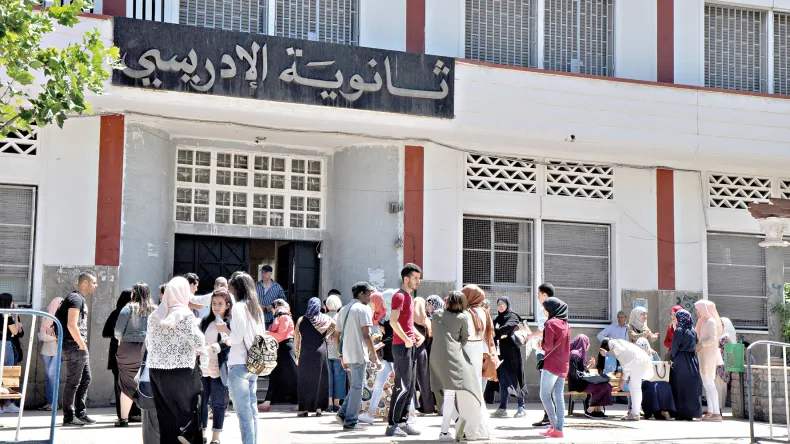
Inspection services affiliated with the Ministry of Internal Trade and National Market Regulation have launched a wide field campaign around centers for the 2026 Baccalaureate exam session. These measures were implemented following instructions from Minister of Internal Trade and National Market Regulation, Amal Abdellatif. Inspection officers across various wilayas have intensified interventions at commercial establishments and food outlets located near the exam centers. This concerted effort is designed to safeguard the health of students and staff during this critical period. The interventions aim to limit risks associated with food consumption during the examination period, ensuring a safe and healthy environment for all participants.
Campaign Details and Scope
Daily monitoring of meals served in the canteens of these centers is being ensured to verify compliance with hygiene and health safety standards. This oversight covers all food provided to students and staff, from preparation to serving. Inspection operations include verifying the validity of food products and adherence to the cold chain, which is key for preserving perishable goods. Inspectors are also monitoring storage and display conditions, especially for perishable items, to prevent spoilage and contamination. These measures aim to ensure the safety of food consumed by baccalaureate candidates and supervisors, thereby minimizing the potential for foodborne illnesses. The scope of these inspections extends beyond the immediate premises of the exam centers to encompass surrounding commercial establishments that cater to the needs of students and personnel.
The campaign coincides with the launch of a national awareness campaign. This broader initiative seeks to reduce food poisoning incidents during the summer months, a period often associated with increased risks due to higher temperatures and outdoor activities. The Ministry's combined efforts address both the specific needs of the examination period and general public health concerns, demonstrating a full approach to food safety. This dual focus ensures that while immediate risks around exam centers are mitigated, a wider public health message about safe food practices is also disseminated.
Enforcement and Accountability
The relevant services affirmed that any violations affecting consumer health will face strict legal measures. This stance shows the Ministry's unwavering commitment to protecting the well-being of baccalaureate candidates and staff during the examination period. Authorities are prepared to enforce regulations vigorously against establishments found to be non-compliant with food safety standards, ensuring that negligence or deliberate disregard for health protocols is met with appropriate penalties. This rigorous enforcement is a cornerstone of the Ministry's strategy to maintain high standards of food safety.
The Ministry of Internal Trade and National Market Regulation called on traders and economic actors to demonstrate responsibility and strict adherence to hygiene and health safety rules. This appeal emphasizes the shared responsibility between regulatory bodies and businesses in ensuring public health. The Ministry's directive serves as a key reminder for all food service providers to uphold the highest standards, particularly those operating near Baccalaureate centers, where the health of students is critical. This collaborative approach aims to foster a culture of compliance and responsibility within the commercial sector.
Public Role and Reporting
Citizens are urged to report any violations that may pose a risk to consumer health. This directive aims to involve the public actively in upholding food safety standards, particularly during the ongoing inspection campaign near Baccalaureate centers. The Ministry of Internal Trade and National Market Regulation emphasizes the importance of community participation in monitoring commercial establishments and food outlets. Public vigilance is considered a key component in ensuring the well-being of students and staff during the examination period, as it provides an additional layer of oversight. By encouraging citizens to report potential health risks, the Ministry seeks to reinforce its oversight capabilities and maintain a high level of accountability among traders and economic actors. The reporting mechanism provides an additional layer of scrutiny, complementing the official inspection efforts and contributing significantly to the overall effectiveness of the food safety campaign. This engagement empowers the public to contribute directly to the health and safety of their communities.