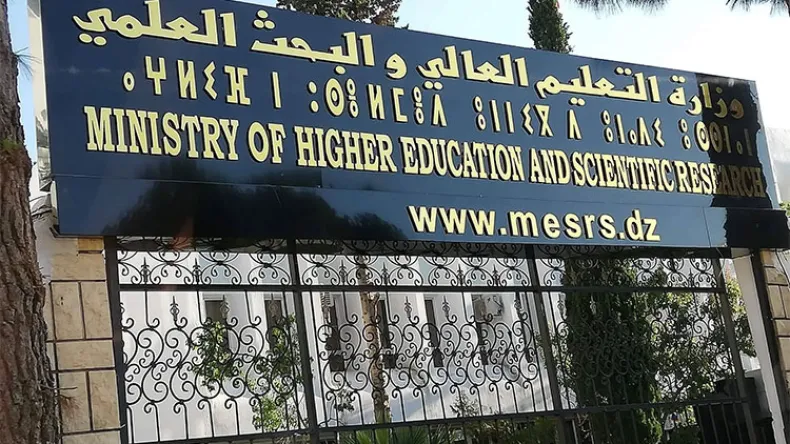
The Ministry of Higher Education and Scientific Research has authorized retired professors to continue supervising PhD students until the defense of their theses, according to official instructions. This decision comes as the Ministry reminded late PhD students of a forthcoming defense deadline, specifically emphasizing the December 31st deadline for their thesis defense. The Ministry of Higher Education and Scientific Research announced that the previous deadline for late PhD students' thesis defenses has been exceptionally extended to December 31, 2026. This significant extension aims to provide additional time for completion, ensuring students can finish their academic requirements under the continued guidance of experienced faculty members. The move is expected to alleviate pressure on students who faced delays and provide a structured pathway to complete their doctoral studies.
New Supervision Guidelines Issued
The Ministry issued a correspondence to the directors of higher education institutions concerning the new measure. This directive aims to ensure the smooth progression of PhD training, enabling students to complete their research and defenses within legal deadlines. The correspondence outlines the framework for this continued supervision, reinforcing the Ministry's commitment to academic continuity. The measure seeks to leverage the scientific and pedagogical expertise of retired professors, recognizing their invaluable contributions to research and education. By allowing these seasoned academics to remain involved, the Ministry hopes to maintain high standards of doctoral education. However, the Ministry specified that supervision by retired professors requires continuous monitoring and evaluation by relevant departments and bodies within the institution. This oversight is key to ensure the quality and effectiveness of the supervisory arrangements, providing accountability and support for both the students and the retired faculty.
Addressing Past Challenges
The problem of transferring PhD students to new supervisors after their original professors retired previously caused instability and issues within academic programs. This challenge often led to disruptions in research continuity and prolonged the time required for students to complete their doctoral studies, sometimes by several years. The Ministry of Higher Education and Scientific Research's new directive addresses these past difficulties by permitting retired academics to maintain their supervisory roles, thereby ensuring a smooth transition for students. The measure aims to prevent the academic and administrative complications associated with mandatory supervisor changes, ensuring a more stable and efficient path to thesis defense for PhD candidates. This approach seeks to mitigate previous disruptions and support students through their academic journey without interruption due to faculty retirements, fostering an environment conducive to successful doctoral completion. It also acknowledges the deep relationships and specialized knowledge built between students and their long-term supervisors.
Ensuring Student Completion
Should supervision become unfeasible for any reason, institutions must adhere to the mechanisms outlined in Decision No. 991 of August 1, 2022. This regulation mandates that student situations be presented to the relevant PhD training committees and scientific bodies for appropriate action and resolution. This requirement ensures that a structured process is followed when a supervisory arrangement cannot continue as planned, providing a clear framework for academic institutions to manage such transitions responsibly. By formalizing this procedure, the Ministry aims to maintain academic standards and support students in completing their doctoral studies without undue delays or administrative complications. The directive shows the importance of institutional oversight and the critical role of established committees in resolving challenges related to PhD supervision, ensuring that every student has a clear path to thesis defense. This structured approach helps safeguard the academic progress of doctoral candidates, even in unforeseen circumstances.