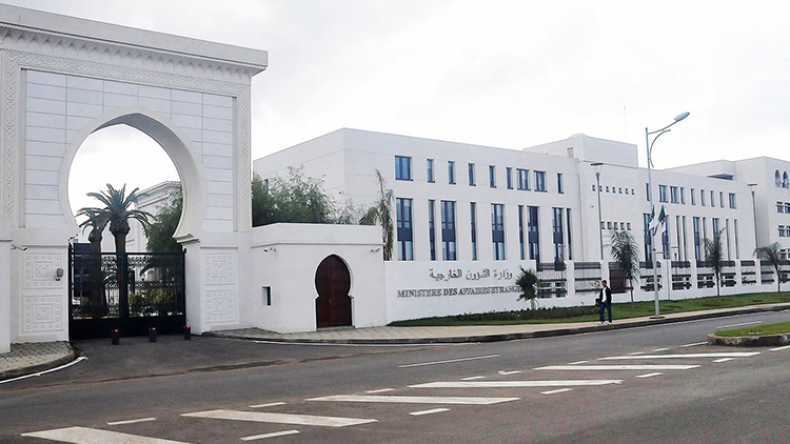
Algeria's Minister of Finance and the Minister of State, Minister of Foreign Affairs, National Community Abroad and African Affairs, signed a joint decision to specify accounting procedures for transferring financial liquidity to Algerian embassies and consulates abroad. This joint decision, a significant step in financial governance, defines the accounting procedures for necessary financial transfers to Algeria's diplomatic and consular centers, establishing a unified process for public funds. The measure aims to regulate the financial and accounting process for funds directed to these missions. Officials stated the decision seeks to track every dinar transferred to diplomatic and consular representations through a strict accounting and administrative process. It also aims to ensure greater transparency in managing appropriations allocated to Algerian missions abroad. The decision enhances expenditure control and ensures greater transparency in managing financial resources for Algeria's diplomatic and consular representation abroad. This full framework is designed to bring a new level of scrutiny and accountability to the financial operations of Algeria's overseas network.
New Accounting Procedures Detailed
The new accounting procedures specify the stages and processes preceding financial transfers, alongside their subsequent accounting follow-up and settlement. The process initiates with the preparation of transfer documents within the Ministry of Foreign Affairs, which then undergoes multiple stages of control and approval. This initial phase is key for establishing a transparent and verifiable record from the outset. Once appropriations are allocated and accounting documents are prepared by the Ministry of Foreign Affairs, the financial function official is responsible for preparing a decision to transfer liquidity. This decision marks a key point in the financial flow, formalizing the intent to transfer funds.
The spending authority at the Ministry transmits the complete transfer file to the competent accountant. This submission includes copies of the initial programming document, the official liquidity transfer decision, and a detailed table itemizing the amounts designated for transfer to each diplomatic or consular center. These earmarked funds are meticulously accounted for under category four, which is specifically designated for 'third-party accounts'. This categorization ensures that the funds are clearly identified and tracked within the treasury system, preventing commingling with other types of expenditures.
The central treasury accounting agent is responsible for settling all fund transfer operations after receiving the necessary documentation from the competent accountant. This step ensures that all transactions are properly recorded and reconciled. The accounting settlement itself is conducted through settlement transfers. These transfers are sent by the spending authority at the Ministry of Foreign Affairs directly to the competent accountant, ensuring a clear transaction trail and direct communication between the responsible parties. To further standardize financial oversight, the decision introduces two standardized models for financial follow-up: one specifically for accepted payment transfers and another for settled payment transfers. These models are designed to provide consistent reporting and facilitate easy auditing of all financial movements, from the initial acceptance of a payment to its final settlement. The detailed procedures outlined aim to eliminate ambiguities and streamline the entire process, reinforcing financial discipline across all diplomatic and consular representations.
Monitoring and Reporting Mechanisms
The Ministry of Foreign Affairs monitors financial liquidity sent to diplomatic and consular centers. This oversight relies on periodic reports prepared by each individual diplomatic or consular center, which document their financial activities. These reports allow tracking the use of transferred funds and ensuring compliance with allocated appropriations. The reporting mechanism allows the Ministry of Foreign Affairs to track the use of transferred funds, ensuring these resources are utilized in accordance with their allocated appropriations. This system aims to maintain accountability for all public funds disbursed to overseas missions. By requiring regular and detailed financial updates, the Ministry can proactively identify any discrepancies or deviations from approved budgets.
The new financial controls oblige all stakeholders involved in the process to prepare unified periodic documents. These standardized documents are designed to track financial appropriations comprehensively, from the initial transfer of funds to their final settlement. This unified reporting requirement ensures a consistent trail for all financial transactions, enhancing transparency and control over expenditure at each stage. The measure is intended to streamline the monitoring process and provide a clear, auditable record of how funds are managed across Algeria's diplomatic network abroad. This systematic approach to documentation is a cornerstone of the new policy, providing a strong framework for financial integrity and oversight. It also facilitates easier audits and reviews, ensuring that public funds are used efficiently and appropriately for their intended diplomatic and consular purposes.
Context and Future Steps
Funds transferred to diplomatic and consular centers are covered by public treasury funds, according to the new financial control measures. The Algerian government has emphasized that these resources are subject to strict oversight to ensure accountability and transparency in their management. This aligns with the broader objective of regulating the financial and accounting processes for all funds directed to Algeria's diplomatic and consular missions abroad. The decision establishes a unified accounting process for transferring public funds to Algerian embassies and consulates abroad, reinforcing the government's commitment to fiscal responsibility.
The technical and detailed procedures for the accounting registration of these financial liquidity transfers will be specified later. An accounting instruction from the Director-General of the Treasury and Accounting is expected to outline these specific implementation steps. This forthcoming instruction will provide the granular details required for the uniform application of the new accounting procedures across all relevant entities, ensuring consistent financial reporting and control. The move aims to solidify the framework for tracking every dinar transferred to diplomatic and consular representations through a structured accounting and administrative process. This phased implementation ensures that while the overarching policy is in place, the practicalities of its execution will be meticulously detailed, leaving no room for ambiguity in financial operations. The ultimate goal is to foster an environment of complete transparency and accountability in the management of Algeria's financial resources allocated to its diplomatic presence worldwide.