Donald Trump claimed this week that an agreement was imminent, asserting that Iranian enriched uranium would be transferred to the United States "immediately." The former U.S. President's statement, delivered publicly, suggested a significant and rapid development in the often-stalled nuclear diplomacy between the two nations. This claim, however, has been met with categorical denials from Iranian officials regarding an impending deal concerning either the Strait of Hormuz or the disposition of its enriched uranium stockpiles. The contrasting statements highlight the persistent complexities and differing narratives surrounding U.S.-Iran relations.
Official Denials and US Talks
An Iranian national security official explicitly denied Wednesday any agreement between Tehran and Washington concerning the critical Strait of Hormuz. These definitive statements were made by Ali Bagheri, deputy secretary of Iran's Supreme National Security Council, on the sidelines of a security summit held in Moscow. Bagheri clarified in no uncertain terms that the topic "n’est pas à l’ordre du jour" (is not on the agenda) between the two countries, effectively dismissing the speculation. His remarks came as Iran responded directly to recent claims of an impending deal, particularly those put forth by the former American president. The Iranian official's comments show Tehran's firm position on the reported negotiations, explicitly refuting the notion of a current agreement with the United States regarding the strategically vital maritime passage. This denial aims to manage expectations and counter narratives suggesting a breakthrough in diplomatic efforts.
Strait of Hormuz Context
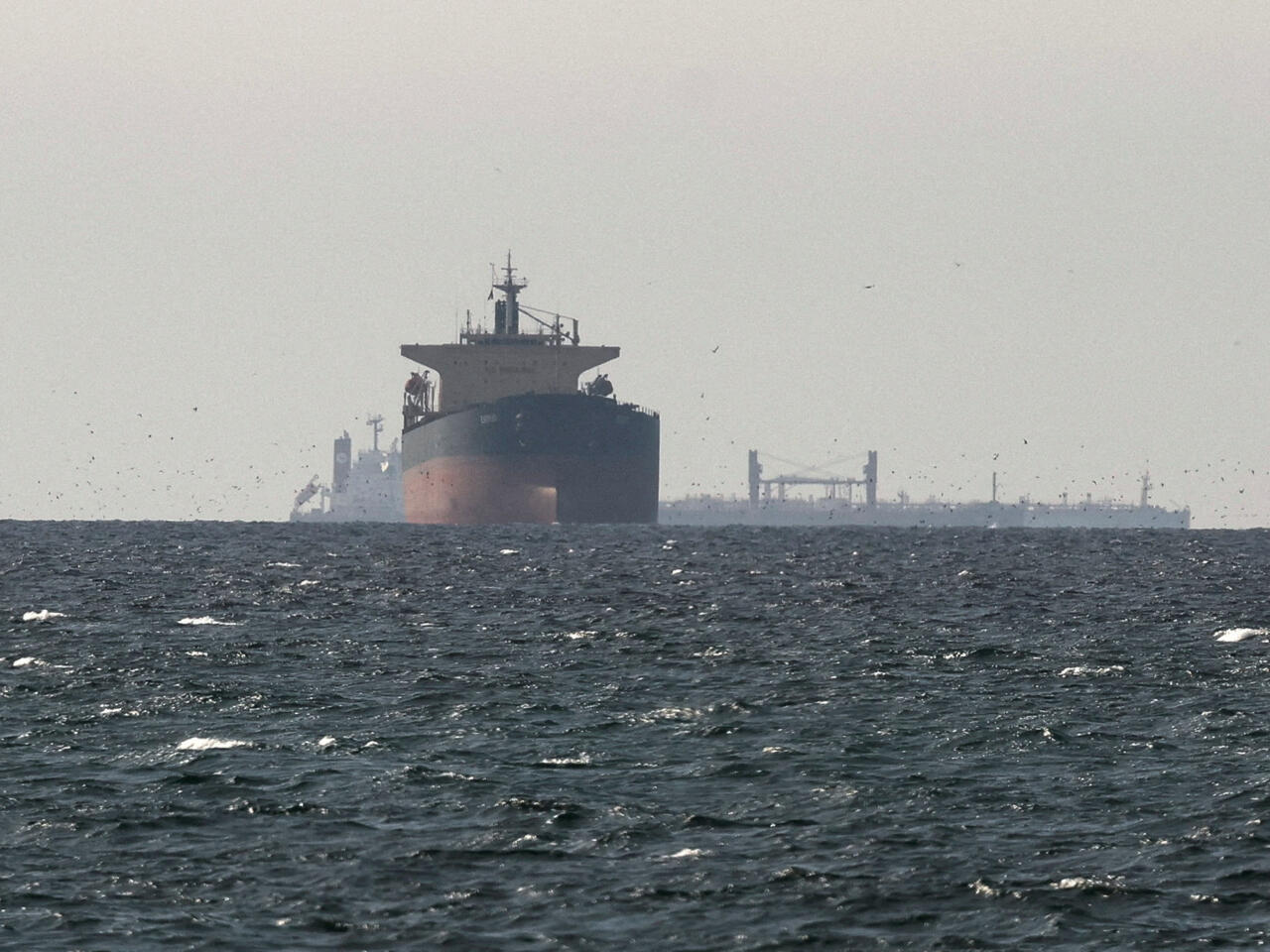
The Strait of Hormuz, a strategically vital waterway connecting the Persian Gulf to the open sea, has been closed since February. This extended closure has raised significant international concerns due to the strait's critical importance to global energy markets. This critical passage is responsible for handling approximately one-fifth of global oil shipments, making its status a significant concern for international energy markets and maritime security. The continued closure poses logistical challenges for international shipping and has ripple effects on global oil prices and supply chains, showing the urgency of finding a resolution for its transit. The strait's geopolitical significance often places it at the center of regional and international tensions.
Separate Oman Negotiations
In a separate but related development concerning maritime transit, Iran and Oman are currently engaged in negotiations to establish a "new passage mechanism" within the Strait of Hormuz. These bilateral discussions between the two neighboring nations aim to address maritime transit in the critical waterway, potentially seeking to mitigate the impact of its closure or establish new protocols for navigation. The involvement of Oman, a country that often plays a mediating role in regional diplomacy, suggests an effort to find a practical solution to the current challenges posed by the strait's status. The outcome of these talks could have implications for regional shipping and trade, offering a potential pathway to ease the current restrictions.
Broader Diplomatic Landscape
The issue of Iranian enriched uranium, a core component of its nuclear program, is "not on the agenda" for negotiations between the United States and Iran, according to the Iranian official. This clarification comes as indirect negotiations between Iran and the United States are continuing through various channels, even without direct high-level contact. Despite various claims and ongoing speculation, Tehran maintains that discussions regarding its uranium enrichment program are not part of the current dialogue with Washington. This stance indicates a clear separation of issues in the ongoing, albeit indirect, diplomatic exchanges. The Iranian government continues to assert its sovereignty over its nuclear program, while the international community remains attentive to its development. The current diplomatic landscape is characterized by these nuanced and often contradictory statements from both sides, reflecting the complex and sensitive nature of their relationship.