Inheritance remains a deeply sensitive topic within Algerian society, according to recent reports, despite the clear and unambiguous guidance provided by religious texts, specifically the Quran. The complexities surrounding the distribution of assets after death often lead to significant familial strife. This prevailing practice of depriving women of their rightful inheritance is not only a social concern but is also fundamentally contrary to both established religious principles and the nation's legal framework. This phenomenon, which systematically disadvantages women, is widely considered dangerous due to its broad implications, necessitating continuous reminders of its consequences, both in the present life and in the afterlife.
Root Causes of Discontent
At the heart of these widespread issues, greed and a blatant disregard for established religious and legal boundaries have collectively transformed inheritance into a contentious and often explosive issue within Algerian families. The underlying causes of these widespread disputes are identified as widespread ignorance regarding inheritance laws and religious tenets, widespread greed among family members, and a consistent non-compliance with the principles of Islamic law that govern equitable distribution. These factors collectively contribute to a challenging landscape where rightful heirs, particularly women, frequently encounter significant obstacles in securing their legally and religiously mandated entitlements. The resultant conflicts frequently escalate, leading to prolonged family disagreements and extensive legal battles that can stretch over years.
Denial of Women's Rights
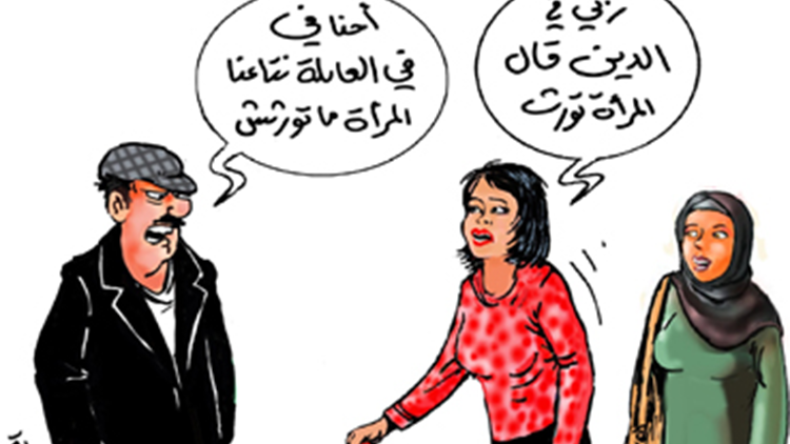
Reports on inheritance disputes in Algeria consistently highlight how some male siblings actively circumvent their sisters' inheritance rights, effectively denying them their legally stipulated share of family assets. This troubling practice often leaves women without their rightful entitlements, exacerbating their financial vulnerability and undermining their social standing. Such actions directly contradict the principles of fairness and justice enshrined in both religious doctrine and national law.
A prevalent justification cited for denying inheritance to married women is the deeply ingrained belief that their share would ultimately benefit their husbands, who are frequently regarded by the woman's paternal family as undeserving recipients of family assets. This patriarchal perspective significantly contributes to the systematic exclusion of women from their legal inheritance, thereby perpetuating deep-seated family conflicts over property and other valuable assets. This form of discrimination not only impacts the individual women but also creates a precedent that can affect future generations within the family.
Family Feuds and Consequences
The systematic circumvention of inheritance rights has frequently led to numerous bitter family feuds and profound divisions within Algerian society. These disputes often escalate from mere disagreements into severe rifts, causing significant and lasting damage to familial bonds that can endure for many years. The emotional and social toll is immense. Tragically, some families have experienced the profound tragedy of members dying while estranged from their relatives, with unresolved inheritance disagreements being the primary root cause of their enduring conflicts. The prolonged and often intractable nature of these feuds shows the deeply divisive and destructive impact that disputes over inherited assets can have on the very fabric of familial relationships and community harmony.
Call for Legal Intervention
In light of these persistent challenges, the article strongly advocates for strong legal intervention to guarantee justice between siblings whenever inheritance circumvention occurs. This urgent call emphasizes the critical necessity of establishing and enforcing strong, accessible legal mechanisms to uphold equitable distribution and to effectively prevent the denial of rightful shares, particularly in cases involving women. Such intervention is key not only for individual justice but also for reinforcing societal adherence to both legal statutes and religious principles concerning inheritance.