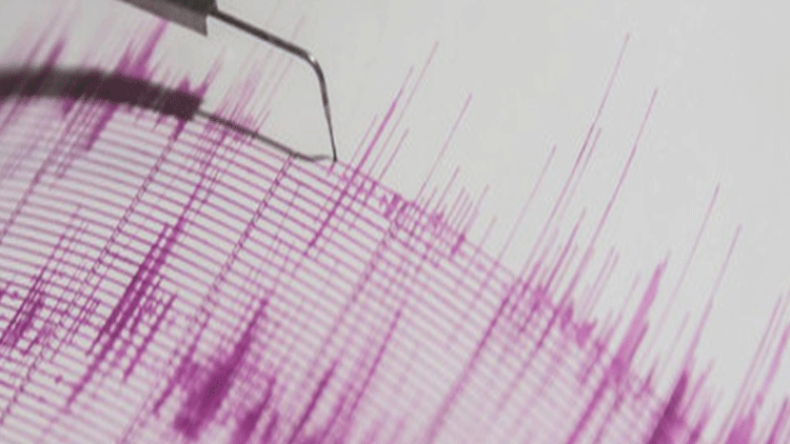
The Centre for Research in Astronomy, Astrophysics and Geophysics stated that seismic tremors experienced by several provinces in Algeria since the first day of Eid are normal and natural activity. This assessment follows reports of multiple tremors across the country, which prompted public concern. An additional, stronger tremor measuring 4.1 degrees on the Richter scale occurred with its epicenter located 50 km northwest of the city of Ghazouat (مدينة الغزوات) in Tlemcen (ولاية تلمسان) province, offshore. This specific event contributed to the overall seismic activity during the Eid period, alongside other recorded movements. The Centre's full analysis aims to provide clarity and context to the recent geological events.
Expert Reassurance on Tremors
Experts from the Centre for Research in Astronomy, Astrophysics and Geophysics (CRAAG) have affirmed that the recent light tremors observed in Algeria pose no danger to the safety of people or property. These seismic events, which occurred across several provinces since Eid, are characterized as normal and natural geological activity. The CRAAG's assessment aims to reassure the public regarding the minor intensity of these earth movements, emphasizing that such occurrences are a regular feature of the region's geological landscape. The tremors are considered typical occurrences within the region's geological context, where such low-magnitude seismic activity is not uncommon and does not typically result in damage or injury. This expert clarification is key for maintaining public calm and understanding during periods of increased seismic reports.
Geological Context Explained
This seismic activity is considered normal and natural, attributed to Algeria's geographical location. The country lies on the African tectonic plate, which converges with the Eurasian plate at an approximate rate of 5 millimeters per year. This continuous geological movement results in persistent light tremors across the region. The slow but constant collision of these massive plates creates stress along fault lines, which is periodically released in the form of earthquakes. The rate of convergence, though seemingly small, accumulates significant geological pressure over time, leading to the observed seismic activity.
Algeria records an average of about 80 earthquakes per month, reflecting the ongoing tectonic processes beneath its surface. Approximately 90% of these seismic events are not perceptible to citizens, showing their generally low intensity and common occurrence within the country's geological setting. This consistent, low-level activity is a direct consequence of the ongoing tectonic plate interaction, making such tremors a natural and expected phenomenon rather than an anomalous event. The majority of these quakes are only detectable by sensitive scientific instruments, further noting their minor impact. This geological reality means that residents often experience small, unfelt tremors multiple times a week, demonstrating the constant, subtle shifts occurring in the Earth's crust.
Recent Seismic Events Detailed
Normal seismic activity was recorded during the Eid al-Adha holiday, including two distinct tremors. One tremor measured 3.0 degrees in M'haouad (ميهوب) in Medea province (ولاية المدية), and another registered 3.4 degrees in Timgaad (تيمقاد) in Batna province (ولاية باتنة). These events contributed to the overall seismic observations during the holiday period, consistent with the expected frequency and magnitude for the region. These particular tremors were part of a series of movements that the CRAAG monitors regularly.
Separately, an earthquake with a magnitude of 3.3 degrees on the Richter scale was recorded north of the municipality of Ougass (بلدية أوقاس) in Bejaia province (ولاية بجاية). This specific event occurred on May 29, 2026, further detailing the seismic activity observed in Algerian territories, providing a clear timeline of recent geological movements. The epicenter of this earthquake was located within a region known for its seismic activity, aligning with the country's overall tectonic profile. These tremors are considered typical for the region's geological conditions, and their magnitudes fall well within the range of what is frequently observed and managed without significant impact. The continuous monitoring by the CRAAG ensures that all such events are recorded and analyzed, contributing to a better understanding of Algeria's seismic patterns.