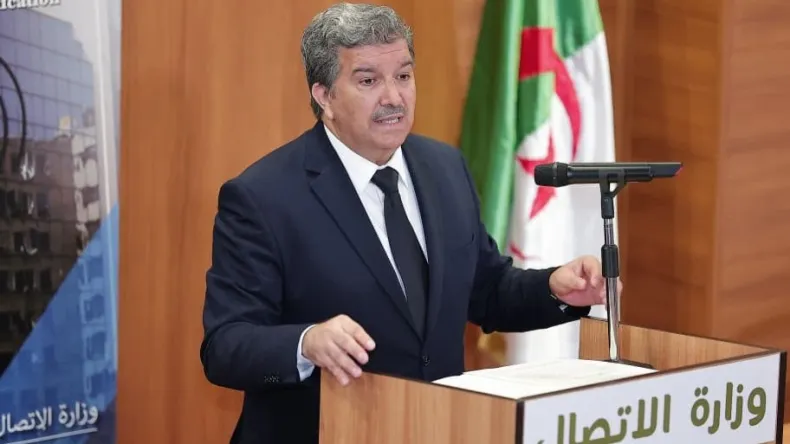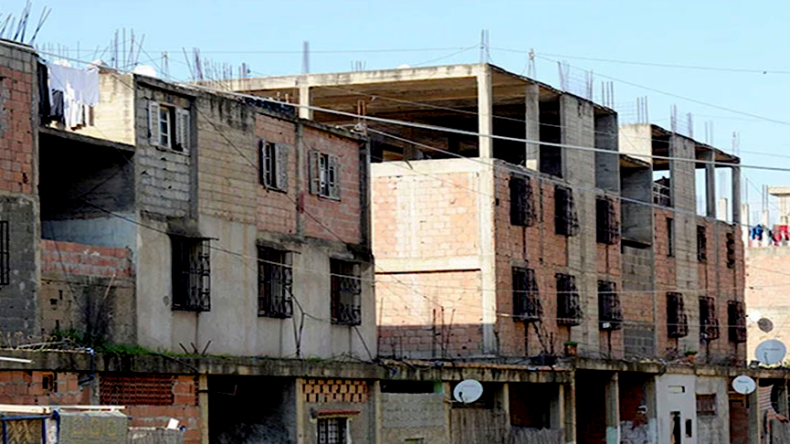
Minister of Interior and Local Authorities and Transport, Said Sayoud, announced that his departments have issued instructions to the governors of the Republic to activate the provisions of Law No. 08-15. This law defines the rules for building conformity and completion. The instructions specifically aim to activate these provisions, which detail the process for ensuring structures meet established standards and are formally completed. The directives show a commitment to the strict application of Law No. 23-18, which governs the protection and preservation of state lands. This commitment ensures that while regularization proceeds, the integrity of state-owned properties remains critical. Sayoud noted the Ouled Harid neighborhood in the state of Guelma as an example of an area where these regulations will be enforced, demonstrating the government's intent for practical application.
Regularization Framework Explained
Building regularization files are slated for submission to technical committees, which have been established at the district level. These committees play a key role in evaluating each case against the defined legal criteria. Executive Decree No. 22-55, dated February 3, 2022, outlines the specific conditions under which buildings not conforming to their original building permits can be regularized. This decree provides the detailed procedural framework for the regularization process, ensuring consistency and fairness in its application.
Existing legal texts establish a clear distinction between cases eligible for regularization and those that are excluded from the process. This exclusion specifically applies to buildings constructed after the enactment of Law No. 08-15 or those situated on land deemed unsuitable for regularization. This critical differentiation prevents the regularization of newly non-compliant structures or those built in prohibited areas. Law No. 08-15 was primarily enacted to resolve long-standing situations involving buildings that did not comply with urban planning and development laws. Its purpose was to provide a legal pathway for existing non-conforming structures to achieve compliance, thereby addressing an accumulated backlog of urban planning issues. The framework aims to address these non-compliant structures while upholding land protection laws, striking a balance between urban development and environmental preservation.
Protecting State Lands
Law No. 23-18 aims to preserve real estate and mandates a full commitment to preventing exceptional regularizations that could undermine urban control efforts. This law is fundamental to safeguarding public land assets and preventing their illegal encroachment. It requires full commitment from all parties to ensure that no special cases or exceptions are made that could compromise the overall objectives of urban planning and land protection. The sector is actively studying various legal solutions to integrate certain housing communities into the urban fabric. This proactive approach seeks to find lawful means to incorporate existing communities into formal urban plans, ensuring they benefit from proper infrastructure and services. Minister of Interior and Local Authorities and Transport, Said Sayoud, stated, "The sector is studying various possible legal solutions to integrate some housing communities into the urban fabric, while ensuring strict adherence to the provisions of Law No. 23-18 concerning the protection and preservation of state lands." This statement reiterates the government's dual commitment to both community integration and land protection.
Addressing the situation in some neighborhoods and housing communities, such as Ouled Harid, requires a balanced approach. This approach must reconcile legal strictness with consideration for residents' social conditions, particularly regarding public utility connections and living conditions. The challenges faced by residents in these areas, such as access to water, electricity, and sanitation, are significant factors that must be weighed against legal requirements. Minister Said Sayoud emphasized this, remarking, "Addressing the situation of some neighborhoods and housing communities, such as Ouled Harid and similar areas, requires adopting a balanced approach that reconciles the legal strictness imposed by the provisions of Laws No. 08-15 and No. 23-18, with consideration for the social conditions of the residents, especially concerning the difficulty of connecting to public networks and the need to improve living conditions within these communities." This notes the government's intention to navigate complex urban issues with both legal rigor and social responsibility.
Addressing Citizen Concerns
The Minister of Interior and Local Authorities and Transport, Said Sayoud, issued the response to a written question posed by former National People's Assembly deputy Hicham Safar. The question specifically addressed the regularization process for buildings constructed without a license prior to the enactment of Law No. 23-18. This inquiry from Deputy Safar showed the public's concern regarding the fate of properties built before the current land protection regulations were in full effect. The Ministry of Interior is reportedly giving full attention to addressing citizens' concerns regarding the regularization of non-compliant buildings. This focus reflects the government's recognition of the widespread impact these regulations have on citizens.
Minister Said Sayoud stated, "The Ministry of Interior is giving full attention to addressing citizens' concerns regarding the regularization of non-compliant buildings, within the framework of applying the provisions of Law No. 08-15... And Executive Decree No. 22-55... As they are the legal reference that guarantees the stability of the urban fabric and the implementation of planning and development rules." This full approach aims to provide clarity and a structured process for regularization, ensuring that urban development is both orderly and equitable. The ministry's focus is on ensuring the stability of the urban fabric while implementing established planning and development regulations, thereby fostering sustainable and well-regulated urban growth across the Republic.