An Iranian leader has issued a direct threat to U.S. President Donald Trump and Israeli Prime Minister Benjamin Netanyahu, asserting that "no safe place in the world" exists for them. The unnamed official's statement, made public on July 12, 2026, warned of global revenge against the two prominent international figures. This declaration shows ongoing geopolitical tensions and suggests a widespread and full retaliatory intent targeting both the former U.S. President and the current Israeli Prime Minister. The pronouncement, delivered with stark language, did not specify the exact nature or timing of the threatened actions, leaving the international community to speculate on the potential implications of such a broad warning. The assertion that "no safe place in the world" exists for them notes the perceived reach and determination behind the Iranian threat.
Global Revenge Vowed
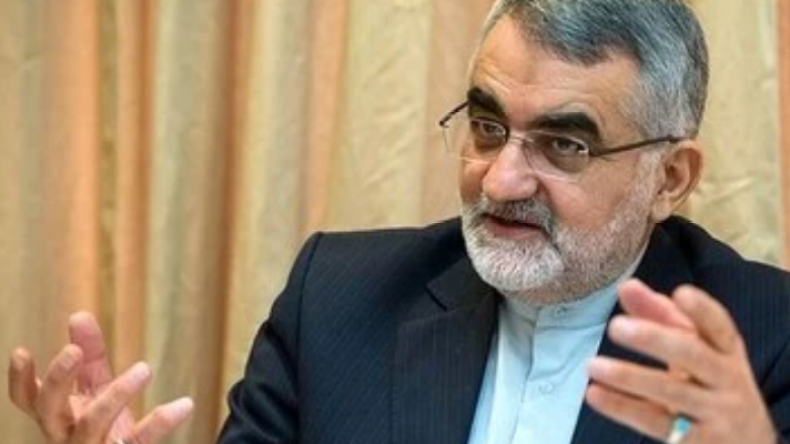
The severity of the threats was further amplified by Alaeddin Boroujerdi, a significant figure within the Iranian political establishment. Boroujerdi stated that revenge for the blood of the late Commander Ali Khamenei and other martyrs was an "inevitable duty," emphasizing a moral and religious imperative behind the planned retribution. Boroujerdi further characterized retribution against aggressors as no longer a "limited reaction," a significant shift in rhetoric that suggests a departure from previous, more contained responses. Instead, he described the anticipated retaliation as a "global movement," indicating a broad and potentially diffuse campaign of revenge. These remarks follow a separate pledge made by Iranian Supreme Leader Mojtaba Khamenei. On Saturday, Mojtaba Khamenei vowed revenge on the killers of his father, Ali Khamenei, directly linking the calls for retribution to the recent passing of the former Supreme Leader. The pronouncements from both Boroujerdi and Mojtaba Khamenei indicate a broadening scope of retaliatory intent from Iranian officials, moving beyond specific state actions to encompass a wider, international dimension.
Context of the Burial
The strong calls for revenge are deeply rooted in the recent events surrounding the death and burial of former Iranian Supreme Leader Ali Khamenei. His body was interred on Friday, July 10th, in Mashhad, Iran, a city of immense religious significance. The burial followed a week of national mourning observed across the country, a period during which the nation collectively grieved the loss of its former spiritual and political leader. The ceremony itself took place within the hallowed "Dar al-Dhikr" hall, which is located inside the revered Imam Reza shrine in Mashhad. The choice of this specific location for the burial holds significant religious importance within Iran, as the Imam Reza shrine is one of the holiest sites in Shia Islam, drawing millions of pilgrims annually. The solemnity and national significance of the burial event provided a powerful backdrop for the subsequent pronouncements of revenge by Iranian officials, tying the calls for retribution closely to the memory and legacy of the late Supreme Leader.
Specific Threats Detailed
Alaeddin Boroujerdi, who serves as a prominent member of the Iranian Parliament's National Security and Foreign Policy Committee, made the statements regarding the "inevitable duty" of revenge and the transformation of retribution into a "global movement." These remarks show the official rhetoric emanating from Tehran concerning the deaths of the late Commander Ali Khamenei and other martyrs, signaling a hardened stance from the Iranian leadership. Mojtaba Khamenei, another influential Iranian official and the son of the late Supreme Leader, has also contributed to this narrative of widespread retribution. He specifically stated that free people from around the world would soon carry out part of the "revenge mission." This particular statement indicates a perceived broad international support base for the retaliatory actions being threatened by Iranian figures, moving beyond state-centric responses to encompass a wider network of actors globally. The implication is that the "global movement" of revenge would not be solely orchestrated by the Iranian state but would also involve non-state actors sympathetic to their cause, expanding the potential scope and complexity of any future retaliatory actions.