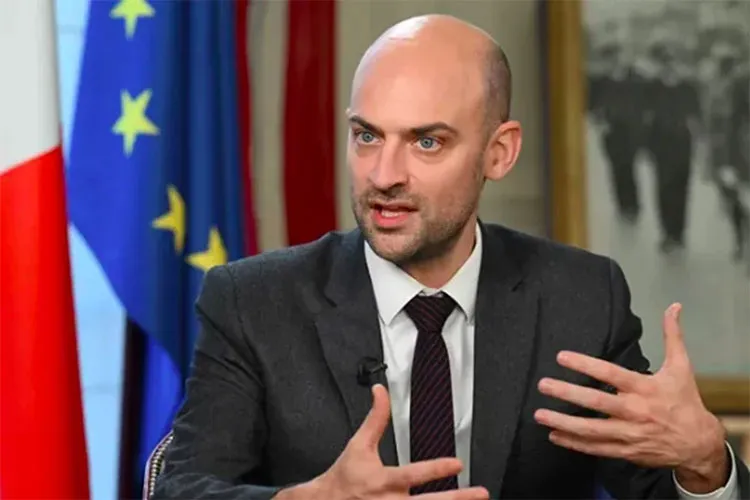
French Minister for Europe and Foreign Affairs, Jean-Noël Barrot, defended the option of building bridges with Algeria last Friday, stating his preference for calming tensions rather than engaging in calls for escalation. Barrot’s remarks, made in press statements, followed what were described as provocative and irresponsible statements from Rabat approximately two weeks prior. He asserted, "I do not wish to be drawn into the state of conflict that some parties are seeking to fuel in France towards Algeria, and in Algeria towards France." This position shows a deliberate diplomatic strategy to de-escalate rather than exacerbate bilateral strains.
The minister further emphasized that "the balance of power must always serve dialogue and not replace it." Barrot avoided directly answering a question regarding the repercussions of Morocco's provocative statements on bilateral relations, indicating a desire to focus on constructive engagement rather than reacting to external pressures. He also noted that "some media outlets in France do not hesitate to criticize Algeria as well," referencing internal dynamics within France and acknowledging the diverse perspectives present in the public discourse. Barrot’s statements consistently advocate for a measured and diplomatic approach, prioritizing dialogue and tangible outcomes.
Prioritizing Dialogue Over Escalation
Jean-Noël Barrot reiterated his refusal to be drawn into what he described as "the conflict that some parties seek to fuel, on the pretext that it harms French interests." This stance aligns with previous statements from French President Emmanuel Macron, who once attacked those who want to cut bridges with Algeria, describing them as “madmen.” The article suggests President Macron’s comments were aimed at figures such as Bruno Retailleau and the leaders and figures of the far-right "Rassemblement National" party, who have frequently expressed critical views regarding relations with Algeria. Barrot’s current position reinforces this broader governmental strategy of maintaining open channels of communication despite internal and external pressures.
Mr. Barrot emphasized that "the balance of power must always serve dialogue and not replace it," showing a diplomatic approach to managing international relations. He also acknowledged internal dynamics within France, stating that "some media outlets in France do not hesitate to criticize Algeria as well." This observation points to various perspectives within French discourse concerning the bilateral relationship, noting the complexities of navigating foreign policy amidst domestic opinion. The minister’s remarks consistently advocate for de-escalation and engagement, even amidst differing opinions from various political and media factions, reinforcing the government's commitment to diplomatic solutions.
Tangible Results for Bilateral Relations
Jean-Noël Barrot, the French Minister for Europe and Foreign Affairs, indicated his eagerness to build the relationship between France and Algeria on tangible results rather than allowing it to be defined by political and media escalation. Mr. Barrot stressed that the priorities of the French government include combating drug trafficking, deporting Algerian citizens residing illegally on French territory, resuming economic cooperation, and addressing the situation of French journalist Christophe Gleizes. "I do not wish to be drawn into the state of conflict that some parties are seeking to fuel in France towards Algeria, and in Algeria towards France," Barrot stated, reiterating his commitment to a pragmatic and results-oriented approach.
The minister affirmed that the issue of the imprisoned journalist Christophe Gleizes will be raised during scheduled discussions with Algerian officials. Barrot expressed confidence in reaching a positive outcome concerning the French journalist, showing the importance of consular protection and human rights in France’s diplomatic efforts. He previously noted that "the balance of power must always serve dialogue and not replace it," advocating for diplomatic engagement over confrontation as the most effective means to resolve such sensitive cases. Barrot also observed that "some media outlets in France do not hesitate to criticize Algeria as well," acknowledging the varied perspectives within French discourse but maintaining his focus on official diplomatic channels.
Minister's Diplomatic Track Record
Jean-Noël Barrot, the French Minister for Europe and Foreign Affairs, has overseen the release of 31 French citizens detained abroad since assuming office at the Quai d’Orsay approximately 18 months ago. His diplomatic approach has consistently emphasized dialogue over confrontation, particularly in sensitive international relations, demonstrating a proven track record of achieving concrete results through negotiation. Barrot recently stated, "I do not wish to be drawn into the state of conflict that some parties are seeking to fuel in France towards Algeria, and in Algeria towards France." This sentiment reflects a broader strategy of de-escalation in foreign policy, aiming to prevent unnecessary diplomatic friction.
The minister has also articulated his belief that "the balance of power must always serve dialogue and not replace it," indicating a preference for diplomatic engagement even amidst geopolitical tensions. This philosophy guides his actions, ensuring that communication lines remain open. Barrot acknowledged the complexities of public discourse within France, observing that "some media outlets in France do not hesitate to criticize Algeria as well." His tenure has focused on practical outcomes and maintaining channels of communication, rather than succumbing to pressure for escalation from various internal or external actors, thereby fostering stability in France's international relationships.