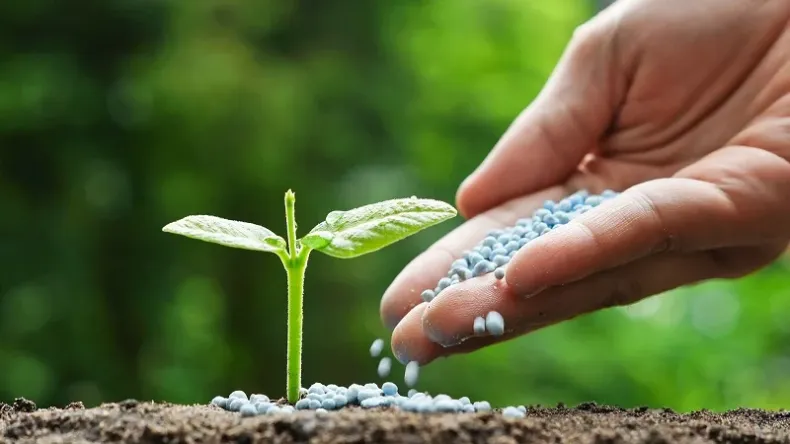
A full training workshop focusing on bio-fertilization and the valorization of organic waste is being organized, marking a significant effort to bolster sustainable agricultural practices in the region. The workshop aims to provide participating farmers with essential knowledge and practical techniques in these critical areas, empowering them to implement more environmentally friendly and economically viable farming methods. This initiative is being held in close coordination with the Agricultural Chamber of Algiers Province (الغرفة الفلاحية لولاية الجزائر), showing a collaborative approach to agricultural development and farmer support. The joint effort seeks to address contemporary challenges in agriculture by promoting innovative solutions for soil health and resource management.
Workshop Details and Objectives
The workshop is meticulously designed to contribute directly to improving soil fertility across local farms and promoting sustainable agricultural practices that are both efficient and environmentally responsible. Its curriculum will place a strong emphasis on good practices of bio-fertilization, offering detailed insights into how natural biological processes can be harnessed to enrich soil and boost crop yields. Beyond bio-fertilization, participants will also acquire valuable methods to effectively benefit from organic waste. These techniques are specifically geared towards enhancing overall soil quality and providing strong support for sustainable agricultural production, ensuring long-term viability for farming operations. The broader objective of this initiative is to equip farmers with practical, actionable knowledge that they can readily implement on their own farms, leading to tangible improvements in their agricultural outputs and environmental stewardship. By focusing on these key areas, the workshop aims to foster a more resilient and productive agricultural sector.
Organizers and Location
The important training event is organized by the National Higher School of Agriculture (المدرسة الوطنية العليا للفلاحة), a leading institution in agricultural education and research. The workshop will take place at the school's main headquarters, which is conveniently located in Hassan Badi, within the El Harrach municipality. This strategic location provides an accessible and conducive learning environment for all participants. The National Higher School of Agriculture is providing the venue and facilities for the training sessions, which are specifically designed to enhance farmers' understanding of advanced bio-fertilization techniques and effective organic waste valorization strategies. This initiative further notes the school's key role in agricultural education and its commitment to community outreach, aiming to directly support the farming community with practical knowledge, advanced research, and sustainable techniques that can be applied immediately. The institution's involvement ensures that the training provided is grounded in scientific expertise and best practices.
Dates and Scope
The workshop is scheduled to be held over two consecutive days, commencing on June 3, 2026, and thoughtfully concluding on June 4, 2026. This carefully chosen timeframe allows for a concentrated and intensive learning experience, enabling participants to fully engage with the full curriculum designed to cover both bio-fertilization techniques and organic waste valorization in depth. The event aims to provide focused and practical training on these vital sustainable agricultural practices within the specified dates, ensuring that attendees gain a thorough understanding. Farmers attending the workshop will receive expert instruction on various methods to significantly improve soil fertility through natural means and how to effectively utilize organic waste, thereby contributing to enhanced agricultural output and reduced environmental impact. The two-day format is specifically intended to offer full learning opportunities, equipping attendees with practical skills and the necessary knowledge to implement these important environmental strategies on their farms, ultimately fostering more sustainable and productive agricultural systems for the future. The training will encompass good practices of bio-fertilization and innovative ways to benefit from organic waste to improve soil quality and support sustainable agricultural production.