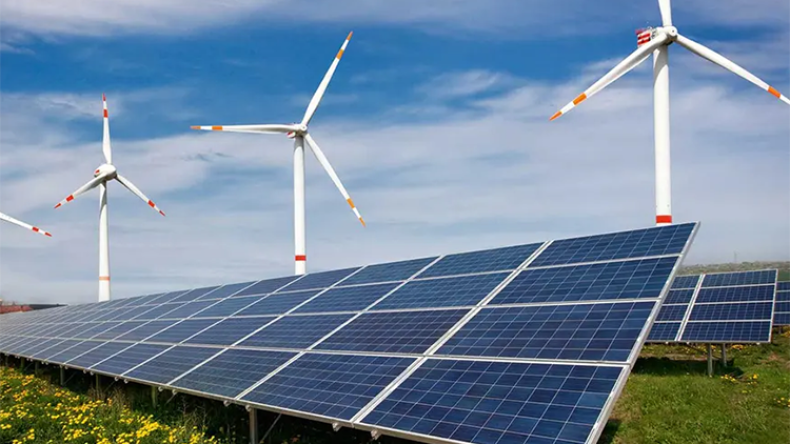
Brussels has launched a new initiative for Mediterranean countries, pledging to mobilize investments up to 25 billion euros by 2035. This significant financial commitment shows the European Union's dedication to fostering sustainable development in the region. The initiative, named T-MED, aims to transform the southern Mediterranean region into a "global hub for clean energy," positioning it as a key player in the global energy transition. The European Commission is providing the initial funding for this ambitious plan, with Brussels launching this new initiative for Mediterranean countries with specific funding of 25 billion euros. The overarching goal is to harness the vast renewable energy potential of the Mediterranean basin, contributing to both regional stability and climate objectives.
Investment and Infrastructure Details
A critical component of the T-MED initiative is the establishment of an investment platform for the private sector, which is set to launch starting in 2026. This platform will be robustly supported by European guarantees totaling 5 billion euros. This substantial backing is strategically designed to de-risk investments and is anticipated to mobilize an additional 25 billion euros from private sources, thereby significantly amplifying the overall financial impact of the initiative. The initiative also includes a dedicated program designed to accelerate administrative procedures and significantly reduce project study times, which currently can take between 24 and 48 months. This streamlining of regulatory processes is expected to dramatically cut down on project lead times, making the region more attractive for renewable energy investments. The program aims to create a more efficient and predictable environment for project development, addressing one of the long-standing challenges in large-scale infrastructure deployment.
Among the key infrastructure developments noted is the "South H2 Corridor" hydrogen project. This corridor is designed to establish a direct connection for hydrogen transportation between Algeria and Europe, facilitating the movement of renewable energy resources. This strategic project is central to integrating the energy markets of the southern Mediterranean with those of Europe, ensuring a reliable supply of green hydrogen. The strategic focus on streamlining regulatory processes aims to expedite the implementation of such large-scale energy projects across the Mediterranean region, enabling faster deployment and operationalization of critical infrastructure like the "South H2 Corridor." These infrastructure investments are key for building the physical backbone of the clean energy hub envisioned by the T-MED initiative.
Strategic Context and Goals
The European Commission revealed the "New Pact for the Mediterranean" last autumn, setting a broader framework for regional cooperation and outlining a full vision for enhanced partnership across various sectors. Within this full pact, Brussels formally proposed the "Clean Energy and Green Technologies across the Mediterranean (T-MED)" initiative. This initiative is specifically designed to advance renewable energy projects and foster green technological development across the Mediterranean basin, aligning with the broader goals of the New Pact. The T-MED initiative aims to integrate regional energy markets and support the transition to sustainable energy sources in partner countries, promoting energy security and economic diversification. Its strategic importance lies in its potential to create a strong and interconnected clean energy ecosystem across the Mediterranean.
Workforce and Regional Impact
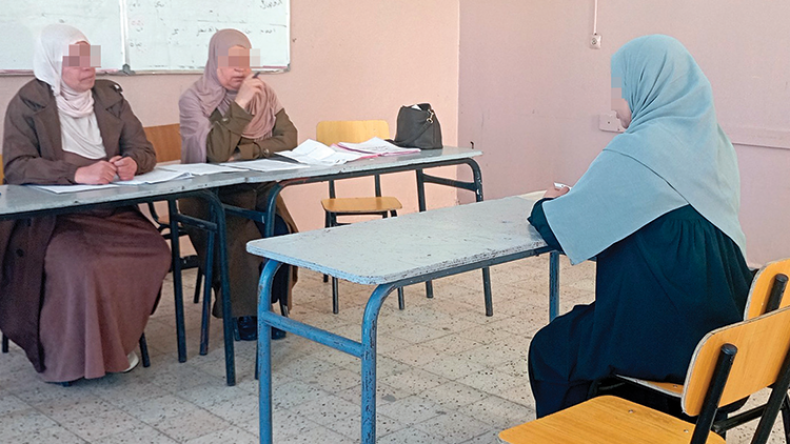
The T-MED initiative is set to address workforce development within the clean energy sector, recognizing that human capital is as key as financial investment. It plans to train approximately 100,000 workers in clean energy fields across the Mediterranean region. This focus on human capital aims to support the deployment and maintenance of the planned renewable energy infrastructure, ensuring a skilled local workforce is available. The initiative's commitment to workforce training is central to its broader objective of fostering a sustainable energy transition and creating local economic opportunities, thereby contributing to job creation and poverty reduction. By equipping a significant number of individuals with specialized skills, the program seeks to ensure a regional workforce capable of supporting the long-term growth of the clean energy industry. This training component is designed to complement the technological and infrastructure investments, providing the necessary human resources for the initiative's success and ensuring its long-term viability.