A recent analysis by the CIA indicates Iran has maintained significant military and economic resilience despite intensive strikes and a naval blockade by Washington, directly contradicting claims made by the White House. The intelligence assessment reveals that Tehran has preserved at least 70% of its pre-war missile arsenal and approximately 75% of its pre-war inventory of mobile launchers. The CIA concludes that Iran's economy and logistics are sufficiently strong to endure the naval blockade for a minimum of three to four additional months, with potential for longer survival if oil smuggling operations prove successful. On Wednesday, President Donald Trump expressed optimism regarding the degradation of the Islamic Republic's military capabilities, stating, "Their missiles are mostly decimated. They have probably 18, 19%, but not a lot by comparison to what they had." This assessment from the CIA presents a severe evaluation that radically contrasts with the recent triumphalist discourse emanating from the Oval Office.
Iran's Military Adaptation
A recent analysis from the CIA, relayed by the Washington Post, presents an assessment that sharply contrasts with recent statements from the Oval Office. The CIA analysis allegedly concluded that Tehran is assembling new missiles which were reportedly near completion when the United States and Israel initiated military action on February 28. These findings directly challenge the narrative presented by President Donald Trump, who stated Wednesday, "Their missiles are mostly decimated. They have probably 18, 19%, but not a lot by comparison to what they had." In a French language interview, President Trump was quoted stating, "« _Leurs missiles sont en grande partie décimés ; il leur en reste probablement 18 ou 19 %, mais c’est peu comparé à ce qu’ils avaient auparavant._ »"
The Iranian army has reportedly adapted effectively to the ongoing conflict. This adaptation includes reopening and exploiting most of the country's underground depots, which serve as key strategic assets for storing and maintaining military hardware. The military has been engaged in repairing damaged missiles and actively assembling new weapons throughout the war, demonstrating a sustained capacity for self-sufficiency and operational continuity. This ongoing activity shows Iran's ability to reconstitute its military capabilities even under duress. President Trump also claimed victory in the conflict, stating, "And their leaders are all dead. So I think we won. Now we have to get what we have to get. If we don’t do that, we’ll have to go a big step further." The CIA document specifically reveals that Tehran has preserved at least 70% of its pre-war missile arsenal. This significant retention of capabilities includes approximately 75% of its pre-war inventory of mobile launchers, which are critical for rapid deployment and strategic flexibility. The continued functionality and availability of these assets provide Iran with a substantial deterrent and retaliatory capacity, despite the intense military pressure it has faced.
Economic Resilience and Blockade Impact
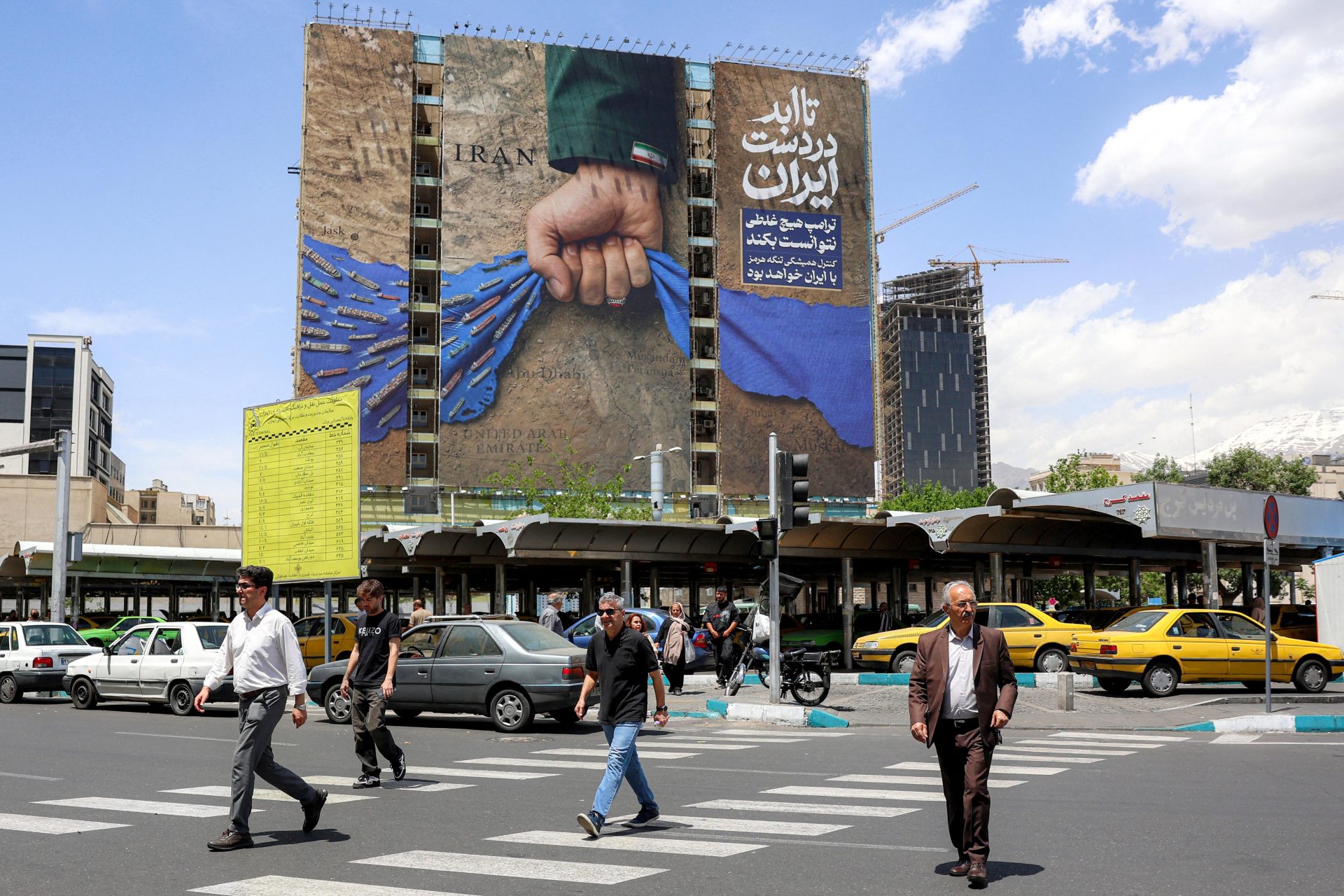
Tehran has de facto closed the Strait of Hormuz in response to the conflict, a critical chokepoint through which one-fifth of the world's oil supply typically transits. In response to this action, the Trump administration reportedly tightened its stance, establishing a strict blockade targeting any vessel attempting to enter or leave Iranian ports. This aggressive posture aims to cripple Iran's economy and limit its ability to fund military operations. The closure of the Strait of Hormuz has created a significant oil and food crisis, according to reports, which has worsened the U.S. Economy and intensified public calls to end the ongoing war. The economic repercussions of the blockade have been felt widely, impacting global energy markets and supply chains.
Despite these measures, the CIA analysis suggests Iran could maintain its resilience for an extended period if the regime manages to successfully smuggle oil through land convoys. This assessment indicates a potential loophole in the blockade strategy, allowing Iran to bypass naval restrictions through alternative routes. The CIA analysis concludes that Iran's economy and logistics are resilient enough to survive the naval blockade for at least three to four additional months. The analysis posits that survival could be potentially longer if oil smuggling operations via land convoys prove successful and are conducted on a sufficient scale. This assessment contrasts with claims from the White House, which has stated that Iran is losing half a billion dollars daily due to sanctions and military pressure. An intelligence official, however, stressed that the U.S. Blockade is "inflicting real, compounding damage" on Iran, indicating continued pressure on the nation's economy. This suggests that while Iran may be resilient, the economic pressure is indeed having an effect, even if not as immediately catastrophic as portrayed by the White House. The CIA analysis suggests Iran might survive longer if the regime can successfully smuggle oil through land convoys, noting the importance of these illicit networks to Iran's economic endurance.
Geopolitical Tensions and Diplomatic Maneuvers
Regional geopolitical tensions have remained significantly high since hostilities commenced on February 28. The initiation of military action by the United States and Israel on that date marked a sharp escalation in the long-standing regional friction. One week after agreeing to the April 7 ceasefire, the Trump administration imposed a military blockade on all ships departing Iranian ports, further intensifying the economic and military pressure on Tehran. This move showed the administration's determination to maintain a hardline stance despite earlier diplomatic overtures.
On Thursday, a shipping data firm reported that Iran established a new government agency designed to approve transit and levy tolls from vessels within the Strait of Hormuz. Lloyd’s List Intelligence, a prominent source for maritime information, stated in an online briefing that the new Persian Gulf Strait Authority is "positioning itself as the only valid authority to grant permission to ships transiting the strait." This move by Iran is seen as an attempt to assert sovereignty and control over the vital waterway, potentially challenging international maritime conventions. Maritime law experts suggest that the actions of this new agency could potentially violate international law, raising concerns about freedom of navigation and the legal status of the strait. The imposition of tolls and the requirement for Iranian approval could be interpreted as an infringement on established international rights of passage.
President Donald Trump subsequently suspended an attempt to militarily open a safe passage for commercial ships to exit the strait. This decision followed a period of heightened tension and speculation about a potential military confrontation to ensure the flow of commerce through the critical waterway. A Saudi official informed The Associated Press on Thursday that the kingdom had not been consulted on the United States' effort to forcibly open the strait. This lack of consultation with a key regional ally notes potential divisions or independent actions within the coalition aiming to counter Iran. Four individuals familiar with the assessment conveyed this information to The Washington Post on Thursday, showing the confidential nature of the intelligence findings. The CIA analysis, which details Iran's resilience and its continued military and economic capabilities, was reportedly delivered to policymakers this week, providing a critical intelligence perspective to ongoing strategic discussions within the U.S. Government. The severe assessment presented in the CIA analysis contrasts radically with the triumphalist discourse from the Oval Office, offering a more nuanced and potentially sobering view of the conflict's trajectory and Iran's capacity to withstand pressure.