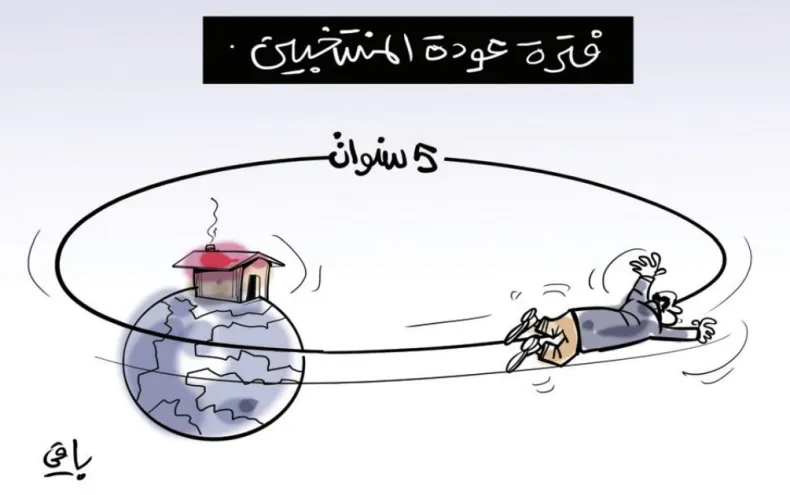
Gaza's first elections in twenty years are being held, with results anticipated as soon as Saturday night or Sunday. The article covering these significant events, titled "المنتخبين" (The Elected), was published on May 7, 2026, and is categorized under "الجزائر" (Algeria). This marks a key moment for the territory, as it represents the first election held in Gaza since Hamas assumed control in 2006, ending a more than two-decade hiatus from the electoral process.
Elections Amidst Obstacles
Approximately 70,000 voters, representing less than five percent of Gaza's population, were eligible to cast their ballots in the recent elections. This limited participation shows the profound demographic shifts and ongoing challenges within the territory. The electoral process faced significant challenges, including a scarcity of appropriate polling places and a shortage of ballot boxes, complicating the logistical efforts required for a smooth election. Many schools typically used as polling stations had been destroyed in Israeli strikes, compelling the elections committee to establish alternative sites. Consequently, tents were utilized to serve as polling places for the elections, noting the extraordinary measures taken to facilitate the democratic exercise amidst extensive destruction. These obstacles presented a formidable test for the election organizers and the populace alike, yet the commitment to holding the vote remained firm.
Political Landscape and Participation
The municipal elections extended beyond Gaza, also taking place in the occupied West Bank, further illustrating the fragmented political reality of the Palestinian territories. Hamas was officially excluded from participating in Saturday’s municipal election, according to Reuters. This exclusion significantly shaped the electoral landscape. The Palestine Liberation Organization (PLO) required all running parties and candidates to accept specific commitments, including the recognition of Israel and support for a two-state solution, which Hamas has not endorsed. This stipulation effectively barred Hamas from official involvement, reflecting deep-seated political divisions. The Fatah-led authority has not held any real measures of power in Gaza since Hamas expelled it nearly two decades ago. This political division has profoundly influenced the electoral landscape and the participation of various factions, with the conditions set by the PLO for electoral involvement showing the ongoing political complexities within the Palestinian territories. The last municipal elections, which determine who is in charge of running local services, were held in the West Bank in 2022, providing a recent precedent for local governance in that area.
Voter Hopes and Official Statements
The elections took place specifically in the city of Deir al-Balah in central Gaza, according to reports. Voters in Deir al-Balah, like many across the Palestinian territories, often view municipal elections as a vital channel for addressing immediate local needs and improving daily life, even in the absence of broader political resolutions. The article covering these events is titled "المنتخبين" (The Elected), emphasizing the democratic intent behind the process. The 90-year-old Palestinian Authority President, Mahmoud Abbas, has not called presidential elections in more than two decades, a factor that has shaped the current political landscape and contributed to the sense of political stagnation at the national level. This long hiatus in presidential elections has amplified the significance of any local electoral processes that do occur.
Broader Significance and Context
Gaza held its first elections in over 20 years on Saturday, marking the first vote in the territory since Hamas assumed control in 2006. This event, despite its limitations and challenges, represents a notable step in civic participation for the region. Municipal elections, which manage local services, were last conducted in the West Bank in 2022, indicating a disparity in electoral regularity between the two Palestinian areas. Reports indicated that Israel does not permit Palestinian municipal elections in East Jerusalem, further complicating the unified electoral aspirations across all Palestinian territories and noting the ongoing political disputes over the status of Jerusalem. The holding of these elections, even with their constrained scope, offers a glimpse into the ongoing efforts by Palestinians to assert their right to self-governance and local representation.