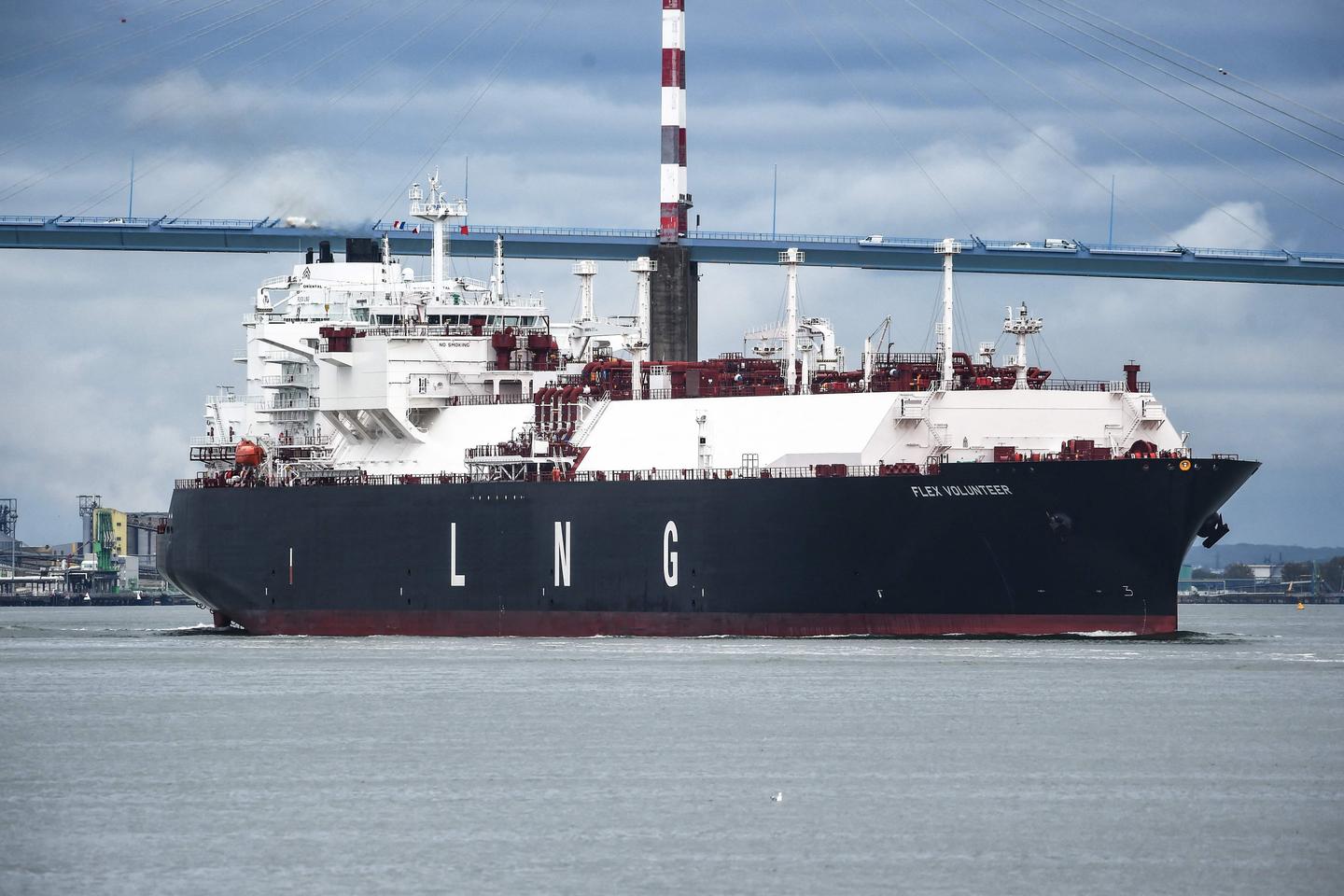
Canada and Germany have signed a 20-year contract for the supply of liquefied natural gas (GNL), a significant agreement officially announced in British Columbia by Canadian Energy Minister Tim Hodgson. This landmark deal aims to reduce Europe's reliance on the United States for energy imports, thereby diversifying its overall energy sources. The long-term commitment of this agreement shows a strategic and key shift in energy procurement for Germany, ensuring a stable supply for the coming decades. The formal signing of the 20-year contract for liquefied natural gas supply between Canada and Germany marks a new chapter in their bilateral energy relations. This bilateral energy agreement was formally announced by Canadian Energy Minister Tim Hodgson in British Columbia, showing the provincial ties to the project.
Ksi Lisims Project Details
The newly signed 20-year contract between Canada and Germany is specifically linked to the Ksi Lisims project in British Columbia, making it a cornerstone of this new energy partnership. Gas for the agreement will be supplied from the Ksi Lisims LNG project, which is designed as a advanced floating export facility. This innovative design allows for greater flexibility and efficiency in operations, positioning it as a modern solution for global energy needs. The Ksi Lisims facility carries an estimated value of 10 billion Canadian dollars, which is equivalent to approximately 7.3 billion USD, noting the substantial investment involved in its development and the economic significance of the venture. Under the terms of the German contract, up to one million metric tons of liquefied natural gas will be exported annually, providing a consistent and reliable energy flow to Germany. This volume represents a significant portion of Germany's energy diversification strategy, ensuring a steady supply for its industrial and domestic needs. The overall planned capacity for the Ksi Lisims project is an impressive 12 million tons per year, indicating its potential to become a major global LNG supplier, serving multiple markets beyond this initial agreement. The project's substantial capacity positions it as a key player in meeting international energy demands, extending beyond the immediate German agreement and contributing to global energy security.
European Energy Security Context
The recently signed agreement between Canada and Germany aims to significantly diversify Europe's energy sources, according to statements from officials involved in the negotiations. This diversification is a critical component of Europe's broader energy security strategy, particularly in light of recent geopolitical shifts. The German company SEFE — Securing Energy for Europe — is the designated buyer in this 20-year liquefied natural gas deal, playing a central role in facilitating the imports. SEFE, a key entity for Germany's energy infrastructure, was nationalized by Germany for 6.3 billion euros in 2022, a move that showed the government's commitment to securing its energy future and ensuring stable supply chains. This nationalization followed SEFE's acquisition from Gazprom, a Russian state-owned energy giant, after Russia's invasion of Ukraine, which profoundly impacted Europe's energy landscape and necessitated urgent measures to reduce reliance on Russian energy. The strategic nationalization of SEFE by Germany for 6.3 billion euros in 2022 notes the critical importance placed on energy security and the government's direct intervention to safeguard its supply.
Germany's economy has faced considerable challenges in recent years, with its 2026 growth forecast halved to 0.5 percent of GDP in April, a revision directly attributed to severe energy shocks stemming from the war in Iran. This economic vulnerability has intensified Germany's pursuit of stable energy partners, seeking to mitigate future disruptions. Canadian Minister Tim Hodgson noted that European nations are actively seeking reliable gas supplies to replace Russian and Middle Eastern flows that have been severely disrupted by ongoing conflicts, emphasizing the urgent need for new sources. Berlin, in particular, seeks a stable, predictable, and politically reliable supplier for its energy needs, a role that Canada is well-positioned to fill with this new agreement, offering a secure alternative to volatile regions. The long-term nature of the Canada-Germany deal is specifically intended to provide this much-needed stability and predictability, offering a secure energy future for Germany and supporting its economic recovery and growth.
Canada's Export Strategy
The Ksi Lisims LNG project is a collaborative endeavor, supported by Western LNG and financed by a consortium of key partners including Blackstone, Rockies LNG Partners, and the Nisga'a Nation. This diverse financial and operational backing shows the project's strong foundation and its broad stakeholder support. Beyond the new agreement with Germany, other major global energy players have also recognized the strategic importance of the Ksi Lisims project. Shell and TotalEnergies, for instance, have already signed 20-year LNG purchase agreements with the Ksi Lisims project, further solidifying its commercial viability and long-term prospects by securing additional off-take commitments. These developments align with a broader Canadian strategy, championed by Mark Carney, which aims to significantly double Canada's non-U.S. Exports within a decade, diversifying its trade partnerships and global reach beyond its traditional primary market. This ambitious strategy, advocated by Mark Carney, seeks to open new avenues for Canadian goods and resources on the international stage.
Currently, Canada exports almost all its hydrocarbons to the United States, a long-standing pattern that this new focus on diversified export routes seeks to alter. This strategic shift is designed to open new markets for Canadian energy resources and reduce reliance on a single trading partner, enhancing Canada's economic resilience. While the Pacific coast route for Canadian LNG to Europe is longer than the route from the U.S. Gulf Coast, presenting a logistical consideration for European destinations, Canadian LNG offers distinct advantages for other markets. Specifically, it provides shorter transit times to Asia, making it an attractive option for burgeoning Asian economies seeking reliable energy supplies. Additionally, Canadian LNG does not depend on the Panama Canal for its export routes, providing a key logistical advantage for certain markets, particularly in times of canal congestion or geopolitical instability affecting key shipping lanes. This independence from the Panama Canal enhances the reliability and flexibility of Canadian LNG exports, offering a resilient supply chain.
Broader Implications and Next Steps
The Ksi Lisims project has now obtained its necessary regulatory approvals, marking a significant and key milestone for the liquefied natural gas facility. These approvals signify that the project has met the stringent environmental and operational standards required for its development, paving the way for further progress. Despite these critical approvals, the project has not yet reached the final investment decision (FID) stage, which is the ultimate commitment to proceed with construction. British Columbia Premier David Eby stated that the agreement with Germany represents a key step towards achieving that final investment decision, which is anticipated later this year. The Premier indicated that the 20-year deal significantly strengthens the commercial viability of the Ksi Lisims LNG project, moving it closer to securing the necessary financial commitments for construction and operation. This progress is considered key for the project's development and its key role in Canada's evolving energy export strategy, signaling a strong future for Canadian energy on the global stage. The long-term commitment from Germany provides a solid foundation for securing the substantial capital required for such a large-scale infrastructure project. This international partnership not only bolsters the economic case for Ksi Lisims but also shows the growing global demand for reliable and diverse energy supplies, making the project more attractive to investors. The anticipated final investment decision will unlock the full potential of this ambitious project, allowing it to contribute significantly to both Canada's economy and Germany's energy security for decades to come, solidifying a long-term strategic alliance.