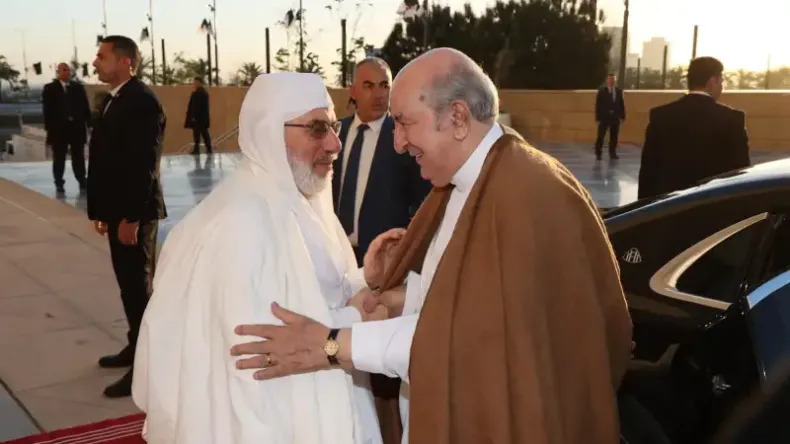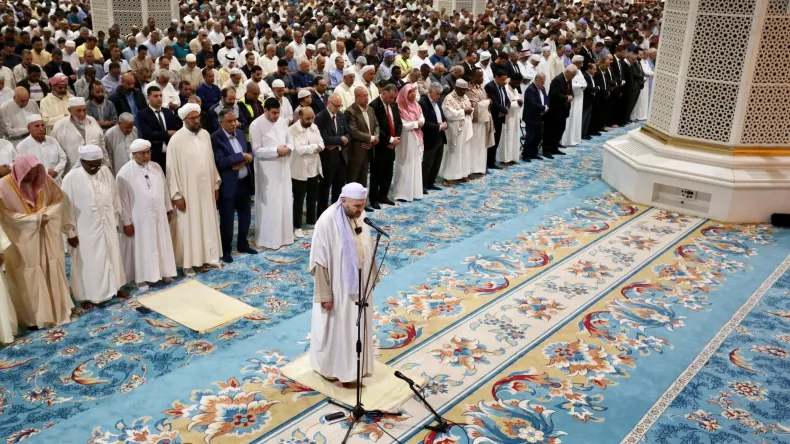
Algerians observed Eid al-Adha by performing morning prayers across the Republic on Wednesday, May 27, 2026. This significant religious event saw widespread participation, marking the official commencement of the important Islamic holiday. The collective prayers were a central feature of the day, bringing communities together in devotion. This year's Eid al-Adha falls on Dhu al-Hijjah 9, 1447 AH, according to the Islamic calendar, a date traditionally celebrated by Muslims worldwide. Gatherings for prayer took place in mosques and designated prayer grounds throughout various cities and wilayas, accommodating the large numbers of worshippers. The morning prayers are a central tradition for Muslims worldwide, commemorating the willingness of Ibrahim to sacrifice his son as an act of obedience to God. This act of faith is a cornerstone of the holiday's spiritual meaning, emphasizing devotion and submission to divine will. The early morning hours were filled with spiritual reflection and communal solidarity as citizens across the nation joined in this sacred observance.
Atmosphere in Mosques
The minarets of mosques across various wilayas and cities resonated with Eid al-Adha takbirs as worshippers gathered for morning prayers. This traditional chanting, praising God, echoed through neighborhoods, signaling the arrival of the blessed day. Men and women of all ages flocked to these mosques, marking the solemn occasion with collective devotion. Families, from young children to the elderly, arrived early to secure their spots, creating a vibrant yet reverent atmosphere. The atmosphere within the prayer halls was characterized by a unified expression of faith, as families and individuals participated in the communal rituals. The sense of community and shared purpose was palpable, reflecting the deep religious roots of the Algerian populace. This widespread observance was noted on Wednesday, May 27, 2026, the first day of Eid al-Adha, a day anticipated with great spiritual fervor. The echoes of the takbirs, which are praises to God, filled the air, signifying the commencement of the significant Islamic holiday and setting a devout tone for the celebrations to follow.
Nationwide Observance
The observance of Eid al-Adha prayers was widespread across Algeria, encompassing numerous wilayas and cities from the coastal regions to the interior. Throughout the Republic, designated prayer grounds and mosques hosted large congregations of worshippers, demonstrating the national scale of the religious event. These venues were prepared to accommodate thousands, ensuring that all who wished to participate could do so comfortably. This nationwide participation shows the cultural and religious significance of the holiday for Algerians, deeply embedded in their societal fabric. The collective prayers marked the official commencement of Eid al-Adha, a time for spiritual reflection and communal gathering, fostering a sense of unity among the faithful. Families and individuals across different regions participated in the established traditions, reflecting a unified practice of faith and adherence to Islamic customs. The Republic's religious institutions facilitated these gatherings, ensuring broad access for citizens to observe the morning prayers as is customary, providing guidance and organizational support for the large-scale events.
Significance of the Day
The morning prayer ceremonies, observed across Algeria, were followed by the traditional Eid sermon. This sermon is a customary component of Eid al-Adha observances, offering spiritual guidance and reflections pertinent to the holiday's themes. Religious leaders delivered the sermons in mosques and designated prayer grounds, addressing the assembled congregations with messages of peace, sacrifice, and obedience. The content of these sermons typically reinforces the values of sacrifice, obedience, and community central to Eid al-Adha, drawing lessons from the story of Prophet Ibrahim. Worshippers remained to listen to the sermon after completing their prayers, upholding a long-standing tradition within Islamic practice and further enriching their spiritual experience. The sermon provides an additional layer of spiritual enrichment and communal engagement, marking a complete cycle of the morning's religious duties and offering profound insights into the meaning of the holiday. This sequence of prayer and sermon is replicated in Muslim communities globally, emphasizing the shared rituals and universal values of the holiday. The day continues with family visits, feasts, and acts of charity, extending the communal spirit initiated by the morning prayers.