Algerian tax authorities have updated procedures for tax audits and assessments, granting taxpayers 30 days to respond to requests for information and justification during accounting audits. These new measures are being implemented in application of Articles 72, 73, and 80 of the Finance Law for 2026, marking a significant evolution in the country's tax compliance landscape. The full update aims to streamline processes, enhance transparency, and provide clearer guidelines for both tax authorities and taxpayers.
Audit Procedure Changes
A key change in the updated framework is the formalization of information requests during audits. Tax investigators are now authorized to send written requests to taxpayers for information or justifications during a general accounting audit, granting a specific response period of 30 days. This procedure is part of Algeria's updated tax audit and assessment framework, ensuring taxpayers have adequate time to compile and submit the necessary documentation. The explicit 30-day window for response is designed to introduce more predictability into the audit process, allowing businesses to manage their compliance efforts more effectively.
The revised regulations also frame the possibility of extending the duration of field inspections. This extension is specifically for cases where indirect profit shifting is suspected, a common area of focus for tax authorities globally. According to Article 189 of the Direct Taxes and Similar Duties Law, the framework now clearly defines conditions for such extensions when authorities identify potential indirect profit shifting by businesses. This aims to provide clearer guidelines for both tax authorities and taxpayers regarding the scope and timeline of field inspections in complex financial investigations, particularly those involving intricate corporate structures or international transactions. The establishment of these conditions under Article 189 shows the authorities' commitment to combating tax evasion and ensuring fair tax collection.
Automatic Assessment Rules
Legal procedures governing automatic tax assessment for taxpayers who fail to submit accounting documents have undergone significant updates. These amendments specifically target Articles 20-5 and 20 bis-4 of the Tax Procedure Law, which are central to the process of assessing taxes when a taxpayer has not provided the required financial records. The changes aim to clarify the conditions under which tax authorities can proceed with an automatic assessment, reducing ambiguity and ensuring due process. This clarification is key for both tax authorities, who need clear legal grounds for their actions, and taxpayers, who need to understand the implications of non-compliance.
The legal reference for automatic tax assessment in instances of non-submission of accounting has been corrected. This correction shifts the relevant article from the previous Article 20-9 to Article 20-10 within the Tax Procedure Law. This adjustment ensures that tax authorities apply the correct legal framework when assessing taxpayers who do not provide required accounting records, thereby preventing potential legal challenges based on incorrect procedural references. The update to Articles 20-5 and 20 bis-4, alongside the correction of the legal reference, collectively strengthens the legal basis for automatic tax assessments, promoting greater accuracy and fairness in tax administration.
Legal Framework and Implementation
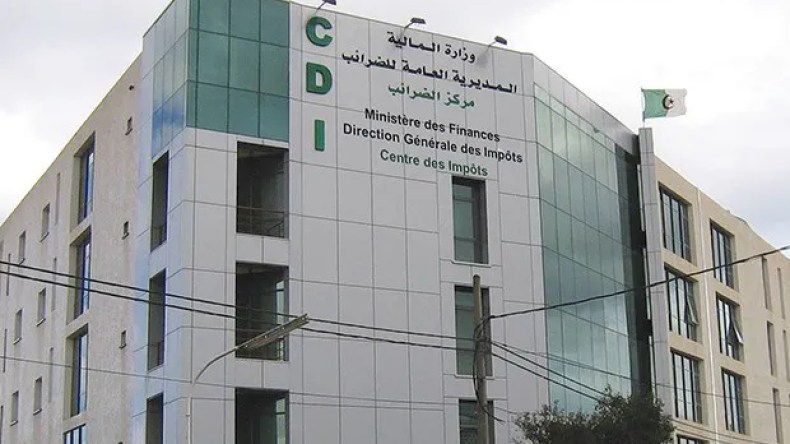
Directive No. 49 was issued at the end of June 2026, outlining the legal framework for the updated tax audit and assessment procedures. This directive serves as the official guide for implementing the new rules across all tax jurisdictions in Algeria. The General Directorate of Taxes confirmed that these measures are effective immediately, establishing the new operational guidelines for tax authorities and ensuring a swift transition to the updated system.
Certain provisions of the Tax Procedure Law related to tax control have been amended to incorporate these changes, reflecting a full overhaul of the existing legal framework. Additionally, legal references within the tax framework have been updated, a necessary step to maintain coherence and accuracy in tax legislation. This update follows the cancellation of specific texts under the Supplementary Finance Law of 2023, ensuring that all procedural references align with current legislation and eliminating any outdated or conflicting provisions. The immediate implementation by the General Directorate of Taxes shows the directive's role in guiding tax control operations in Algeria, emphasizing the authorities' commitment to a modernized and efficient tax administration system. The proactive approach aims to foster a more transparent and equitable tax environment for all economic actors within the country.