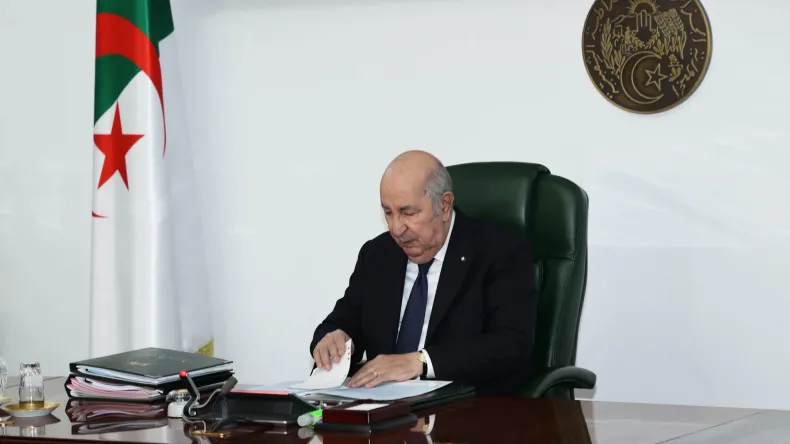
Algerian President Abdelmadjid Tebboune issued instructions on Sunday during a cabinet meeting for the country to implement a new system for travel exchange entitlements. The directive, announced following the high-level discussions, mandates a significant shift in how Algerian citizens will access their foreign currency allowances for travel. The move aims to curb a significant drain of hard currency, a problem explicitly attributed to serious abuses within the current system. Under this new directive, Algerian citizens' travel allowances will be issued via bank cards, a measure intended to enhance transparency and control over these vital financial flows.
Combating Exploitation and Currency Outflow
The government has clarified that the new measure is temporary and seeks to eliminate intermediaries and brokers from the process entirely. This strategic decision comes in response to widespread concerns that the existing system was being exploited. Authorities stated that the exchange entitlement was being significantly exploited by various brokers and travel agencies. These entities allegedly diverted funds without the intended individuals receiving the full benefit, contributing to the substantial drain of hard currency from the national economy. The initiative aims to streamline the distribution of travel allowances, ensuring they reach Algerian citizens directly and reduce opportunities for illicit financial activities that have plagued the previous system. This change is part of a broader effort by the Algerian government to regain control over foreign currency flows and prevent their outflow through unofficial channels, thereby protecting the nation's financial resources.
Details of the New Payment Method
The new system will issue the travel exchange entitlement directly to citizens via bank cards. This digital approach is designed to ensure that the funds reach their intended recipients without diversion or manipulation. The entitlement is estimated at 750 euros per citizen, a standardized amount that will now be disbursed through this secure, traceable method. By eliminating the involvement of intermediaries who have previously exploited the process, the government expects to achieve greater efficiency and accountability. The move to digitize the distribution of these allowances is a key step for the Algerian government as it seeks to enhance transparency and accountability in the allocation of foreign currency for travel purposes. This measure forms a key part of broader efforts to manage the country's hard currency reserves more effectively and prevent their misuse.
Broader Government Agenda
During the same cabinet meeting where President Abdelmadjid Tebboune issued these instructions, other significant national initiatives were also discussed. The President set a maximum period of one month for inter-sectoral connectivity using the National Data Center. This ambitious initiative aims to significantly expand digital services available to citizens across various sectors, improving accessibility and efficiency. The cabinet meeting also followed up on the status of ongoing cooperation agreements between Algeria, Niger, and Chad, reviewing progress and future steps in these international partnerships. Additionally, the development of Algeria's startup ecosystem was a point of focus during the session, showing the government's commitment to fostering innovation and economic diversification. The meeting concluded with a presentation detailing the country's tourism season, outlining strategies and performance indicators for this vital sector.