Relations between Algeria and the European Union are characterized as "very good, solid, and open" as of 2026, indicating a period of strong diplomatic and economic ties. This assessment comes amid ongoing efforts to deepen cooperation across various sectors between Algeria and the European bloc. This positive development is observed through the exchange of official visits between Algeria and some EU member states, alongside a continuously increasing volume of trade, showing the strong nature of the partnership. The relationship has seen consistent engagement, with both parties expressing satisfaction over the trajectory of their partnership. The European Union Delegation to Algeria has affirmed its readiness to further develop its relations with the North African nation, noting the mutual commitment to strengthening these bonds.
High-Level Diplomatic Engagement Signals Deepening Ties
High-level diplomatic engagement between Algeria and several European Union member states, coupled with an increasing volume of trade, shows the strengthening relationship. This includes recent ministerial-level visits from key European officials, signaling a concerted effort to foster closer ties. These interactions are a clear indicator of the deepening cooperation and mutual interest between Algeria and the European bloc.
The European Commissioner for the Mediterranean, Dubravka Šuica, visited Algeria approximately one month prior to the article's publication. Her visit, which focused on key areas of cooperation within the Mediterranean framework, served to reinforce existing partnerships. Preceding Commissioner Šuica's visit, the European Commissioner for Energy, Dan Jørgensen, also traveled to Algeria. Commissioner Jørgensen's visit noted the strategic importance of energy cooperation between Algeria, a significant energy producer, and the European Union, a major consumer. These exchanges were part of a broader diplomatic effort, demonstrating the multifaceted nature of the relationship.
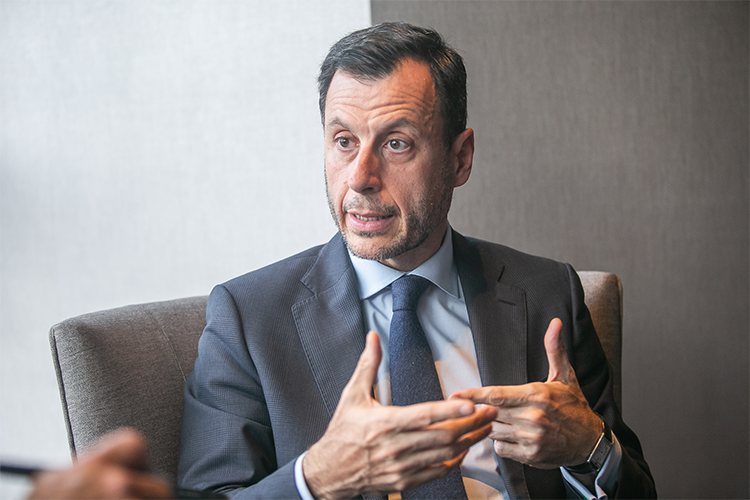
Diego Meado Pascua, Ambassador of the European Union Delegation to Algeria, confirmed the significance of these interactions, emphasizing their high-level nature. "These were ministerial-level visits, and we will continue to work on scheduling other ministerial visits to highlight Algeria’s importance to Europe,” Ambassador Pascua stated. The European Union Delegation to Algeria has expressed its readiness to further develop its relations with the North African nation, viewing these engagements as key for future collaboration. Plans are underway to schedule additional ministerial visits, building on the recent high-level engagements and ensuring sustained dialogue across various sectors. These planned visits are expected to cover a range of topics, from economic development to cultural exchange, further solidifying the cooperative framework.
Member State Bilateral Dynamics and Investment Potential
Algeria is considered central to significant interactions with Europe and individual European Union member states, reflecting its strategic importance in the region. The nation's role as a key partner is continually reinforced through bilateral engagements with various EU members. President Abdelmadjid Tebboune is scheduled to visit Germany, further illustrating these bilateral ties and the importance placed on direct state-to-state relations. This upcoming visit is anticipated to strengthen economic and political cooperation between Algeria and one of Europe's leading economies. Spain's Foreign Minister, José Manuel Albares, recently traveled to Algeria, indicating another facet of member state engagement. This visit showed the ongoing efforts to resolve bilateral issues and enhance cooperation between the two Mediterranean nations.
Ambassador Diego Meado Pascua of the European Union Delegation to Algeria stated, "Algeria has very good relations with some EU member states, including Italy, with which the two countries exchange high-level visits, as well as Germany, which President Abdelmadjid Tebboune will visit." These strong bilateral relationships are seen as complementary to the broader EU-Algeria framework. There is significant potential that encourages investment, a trend observed with countries such as Italy and Ireland. These nations recognize Algeria's economic opportunities and are actively pursuing collaborative ventures. Algerian-French relations have also warmed, marking a period of renewed diplomatic understanding and cooperation. These improved ties between Algeria and France preceded the warming of Algerian relations with Spain, indicating a dynamic shift in Algeria's diplomatic landscape with European powers.
Ambassador Pascua also noted that "Each EU member state has its own special relations with any country outside the 27-member European bloc." This notes the diverse and independent foreign policy approaches of individual EU members. Each EU member state maintains its own distinct relationships with nations outside the bloc, and the Union hopes its members will continue to develop these connections, particularly with Algeria. This approach allows for a multi-layered engagement, where both the collective EU and individual member states contribute to the overall strength of the relationship with Algeria. The Ambassador emphasized that Algeria is seen at the heart of a great interaction with Europe and the EU member states, showing its key role in regional stability and economic development. This recognition further motivates EU members to invest in and nurture their ties with Algeria.
Strong Frameworks for Cooperation and Modernization
The relationship between Algeria and the European Union operates within an open dialogue, fostered by the framework of the Association Agreement. This agreement, which came into force in 2005, serves as a foundational document for bilateral interactions, providing a full legal and political basis for cooperation across various fields. The relationship with Algeria is characterized by an open approach to dialogue, conducted in a calm atmosphere within the framework of this Association Agreement, ensuring constructive engagement.
Beyond this, the Pact for the Mediterranean provides a broad space for cooperation with Algeria, offering an additional platform for strategic discussions and initiatives. This pact facilitates discussions on various files and topics aimed at modernizing bilateral relations, allowing both parties to address contemporary challenges and opportunities. It specifically addresses issues such as the movement of people, focusing on regulated migration and mobility, and trade relations between the two parties, aiming to enhance economic exchanges. In recent times, trade relations between Algeria and the EU have experienced remarkable development, with increasing volumes and diversification of goods and services exchanged. This growth in trade is a testament to the effectiveness of the existing frameworks and the mutual commitment to economic partnership.
The continuous exchange of official visits between Algeria and some EU member states, coupled with the increasing volume of trade, serves as concrete evidence of the strengthening relationship. These interactions are vital for maintaining momentum and addressing emerging issues. The EU-Algeria partnership, underpinned by these established frameworks and high-level engagement, is poised for continued growth and diversification in the years leading up to and beyond 2026. The commitment from both sides to maintain an open and solid relationship ensures that future challenges can be met collaboratively, fostering stability and prosperity across the Mediterranean region.