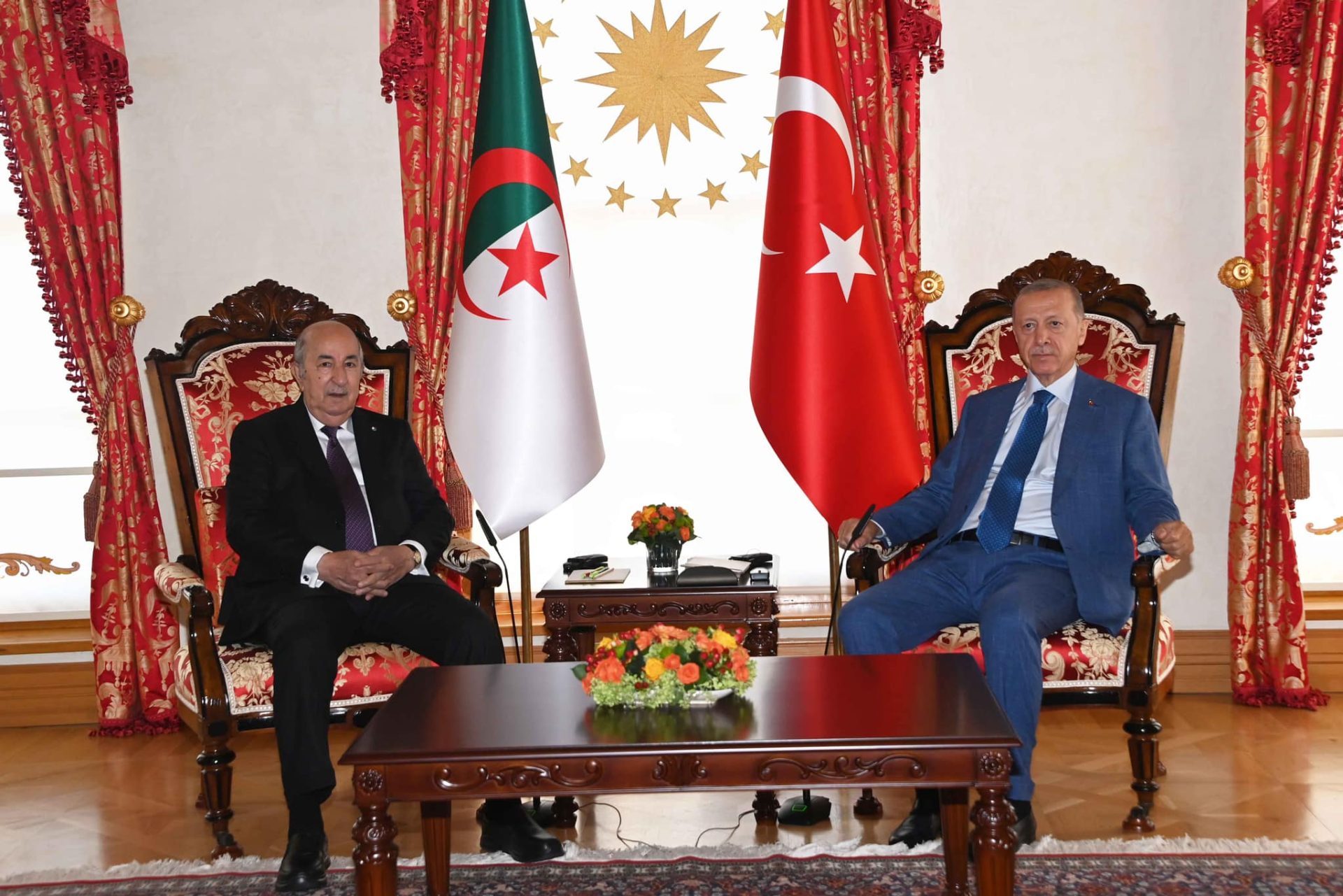
Algerian President Abdelmadjid Tebboune concluded his official visit to Turkey on Thursday evening, meeting with President Recep Tayyip Erdogan at the Presidential Complex in Ankara. During this significant diplomatic engagement, Presidents Tebboune and Erdogan co-chaired a ceremony marking an elevation of the Algerian-Turkish partnership. The high-profile meeting and subsequent ceremony showed the deepening ties between the two nations. President Abdelmadjid Tebboune's official visit to Turkey, which concluded Thursday evening, yielded a substantial diplomatic harvest, setting a new course for bilateral relations. The visit resulted in the formalization of approximately ten texts signed between the two nations, signifying a strong framework for future collaboration. These agreements engaged eight ministries and several agencies from both countries, formalizing new aspects of their bilateral cooperation across multiple sectors.
Key Agreements Signed
A joint declaration establishing a preferential trade agreement was a cornerstone of the new accords, signed by Algerian Minister of Foreign Trade Kamel Rezig and his Turkish counterpart Omer Bolat. This agreement is anticipated to significantly boost trade volumes and facilitate smoother commercial exchanges between Algeria and Turkey. Further economic collaboration was formalized as the Algerian Investment Promotion Agency (AAPI) and the Turkish Investment Office signed a memorandum to coordinate their respective promotion strategies. This memorandum aims to streamline investment processes and attract more capital into both economies. Algeria's Minister of Industry Yahia Bachir and his counterpart Mehmet Fatih Kacir signed two separate texts: one focused on standardization, conformity assessment, and training, and another addressing the development of small and medium-sized enterprises (SMEs). These industrial agreements are designed to enhance product quality, foster technological transfer, and support the growth of vital economic sectors.
Two agreements relate to the media and information field, noting the growing importance of communication and public perception in international relations. One agreement, between Algerian public television EPTV and the Turkish public broadcaster TRT, opens the way for content exchange and broader audiovisual cooperation. This partnership aims to enrich cultural understanding and provide diverse programming to audiences in both countries. Another significant partnership, dedicated to combating disinformation, was signed between the Algerian Ministry of Communication and the Turkish Presidency's Directorate of Communication. This accord reflects a shared commitment to ensuring accurate information dissemination and countering harmful narratives.
In terms of public safety and services, the ministers of the Interior for both countries signed a memorandum on disaster and emergency management. This memorandum establishes a framework for mutual assistance and cooperation during natural disasters and other emergency situations. An agreement was also reached on the mutual recognition of driving licenses, simplifying procedures for citizens of both nations and facilitating travel and residency. A specific text was signed concerning the protection of moudjahidine and the rights holders of chouhada, showing a shared commitment to preserving historical memory and honoring those who sacrificed for their nations. Additionally, Minister Yacine El-Mahdi Oualid signed an agricultural agreement focusing on plant protection and quarantine, aimed at safeguarding agricultural resources, preventing the spread of diseases, and ensuring food safety for both populations. A total of about ten texts were signed, engaging eight ministries and several agencies from both countries, demonstrating the full nature of this diplomatic initiative.
Broader Economic Ties
The ceremony in Ankara also featured engagements with prominent business entities, showing the expanding economic relationship between Algeria and Turkey. The ceremony included audiences with representatives from Tosyali and Tayal, two key players in the bilateral economic landscape. Representatives from Tosyali, a Turkish industrial conglomerate with significant investments in Algeria, were present. Tosyali operates a major steel complex in Algeria, demonstrating a long-standing commitment to the country's industrial development and contributing substantially to local employment and infrastructure. The firm's participation notes the key role of large-scale foreign direct investment in fostering bilateral trade and enhancing production capabilities.
Additionally, Tayal, an Algerian-Turkish textile giant, held audiences during the event. Tayal represents a successful joint venture, contributing significantly to job creation and technological exchange within Algeria's textile sector. The presence of these prominent companies at the high-level ceremony indicates the strategic importance both nations place on industrial collaboration and the growth of their respective private sectors. Such engagements reinforce the shared objective of diversifying economic partnerships beyond traditional trade, moving towards more integrated production and value chains.
Context and Future Outlook
The agreements signed during President Abdelmadjid Tebboune's visit to Ankara are part of a broader diplomatic and economic strategy, with profound implications for the future trajectory of Algerian-Turkish relations. The outcomes of this successful visit are expected to shape bilateral interactions moving forward, influencing areas from trade and investment to cultural exchange and security cooperation. The emphasis on new partnerships and expanded cooperation reflects a mutual desire to deepen the strategic alliance between the two nations, moving beyond conventional diplomatic ties to a more integrated and strong partnership. This sustained engagement between Algeria and Turkey is set to continue evolving, with future developments anticipated to build upon the established frameworks and further solidify their strategic alignment. The long-term impact of these renewed commitments will likely be evaluated in the coming years, as the various agreements move from signing to implementation. Notably, the date 7 mai 2026 has been referenced multiple times in connection with the article and related publications, indicating a specific timeline or future point of reference for some of the discussed initiatives or for a subsequent review of the progress achieved. The ongoing implementation and subsequent review of these accords will be key to understanding their full effect and the extent of the transformation in Algerian-Turkish relations.