The Banque mondiale forecasts a 32% increase in energy prices and a 14% increase in fertilizer prices for 2026. These projections indicate significant shifts in global commodity costs that may affect the economic outlook for Algérie. Rising energy and fertilizer expenses often impact national budgets and production sectors, influencing the broader financial stability of the country. Officials in Alger must account for these potential price adjustments as they manage the national economy throughout the remainder of the year. The anticipated changes in global markets remain a focal point for the institution’s current economic assessment regarding regional trade and resource management.
Energy Export Revenue Surge
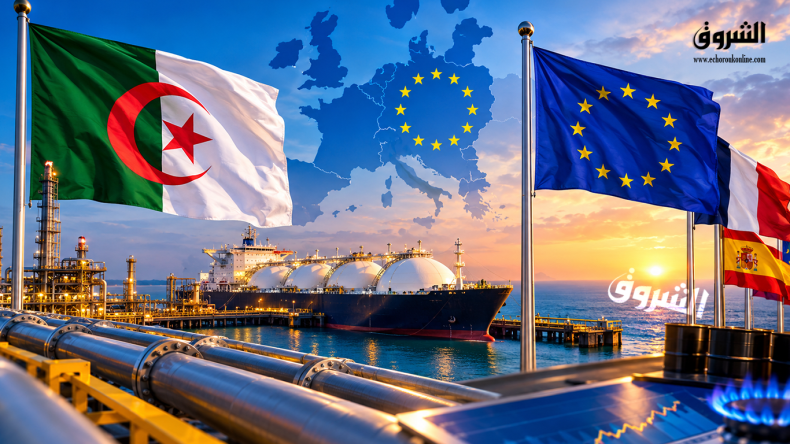
Global oil markets experienced a significant price shift as the average cost per barrel rose from 69 dollars in 2025 to 91 dollars in 2026. Data shows the average price of Algerian crude oil increased by 37% during the first nine months of 2026 compared to the same period in 2025, reaching approximately 97 dollars per barrel. Concurrent with these valuation shifts, the average price of Algerian gas reached 11.3 dollars per million British thermal units (BTU).
These market conditions contributed to national earnings, with Algeria recording 37.5 billion dollars in revenue from oil and gas sales during the first nine months of 2026. Ayhan Kose, chef-économiste adjoint de la Banque mondiale, noted the strain these economic fluctuations place on vulnerable nations. He stated, "La priorité doit être donnée à la protection des populations les plus pauvres et au soutien des pays à faibles revenus, qui doivent déjà faire face à une dette qui pèse lourd."
Global Conflict Price Volatility
Banque mondiale analysts project an average oil price of 79 dollars per barrel in 2027, provided the conflict in Iran does not escalate following the 3 November 2026 US elections. This scenario assumes current market conditions remain relatively stable throughout the upcoming year.
Alternative projections from the institution suggest a different economic trajectory should the situation in Iran worsen. The World Bank estimates that an escalation of the conflict would drive the average price of oil to 105 dollars per barrel in 2027. These figures represent the potential impact of geopolitical developments in the Middle East on global energy markets and the subsequent revenue outlook for nations like Algérie. Officials tracking these trends must consider both price possibilities when assessing fiscal stability for the coming year.
Prioritizing Vulnerable Populations
World Bank projections indicate that global food prices are expected to rise by 18% in 2027 when compared to 2025 levels. This anticipated increase in the cost of food items presents a potential challenge for national economic planning in Algérie. Officials in Alger must consider how these global market shifts will influence domestic inflation and the purchasing power of households as they prepare fiscal policies for the coming year. Rising commodity costs often necessitate adjustments in social safety nets to mitigate the impact on citizens. The institution monitors these food price trends alongside other energy and resource market fluctuations to provide a complete assessment of the economic environment. Policymakers will likely evaluate the potential effects of this cost increase on the broader financial stability of the country as they look toward 2027.