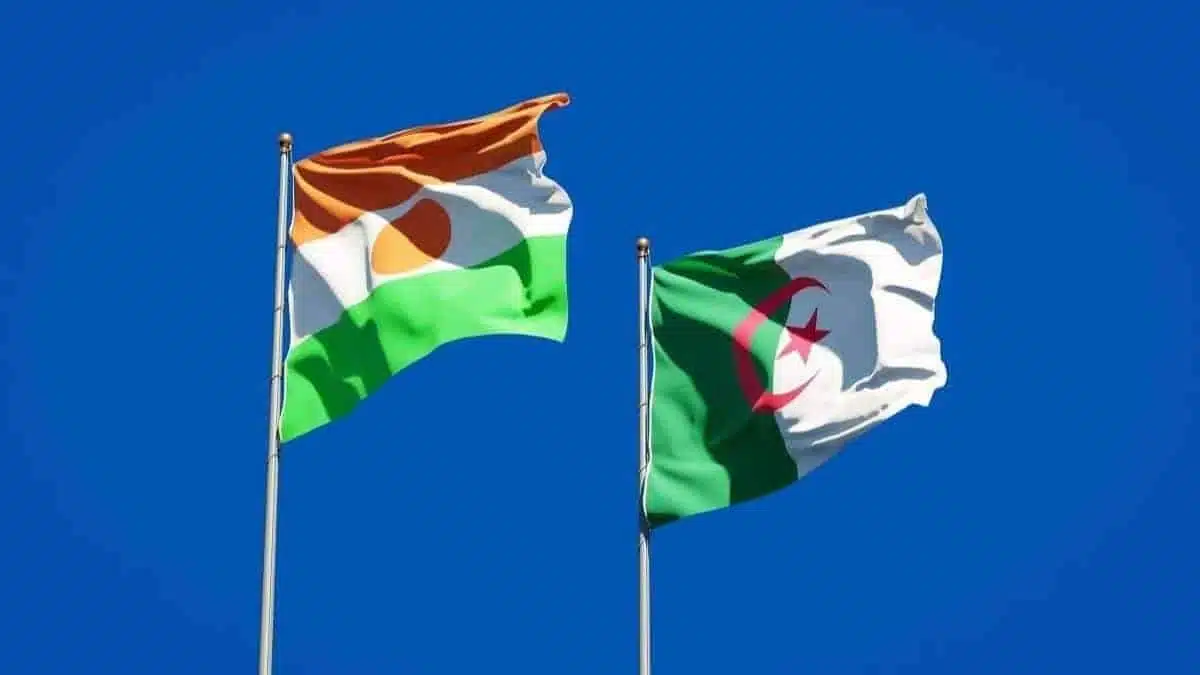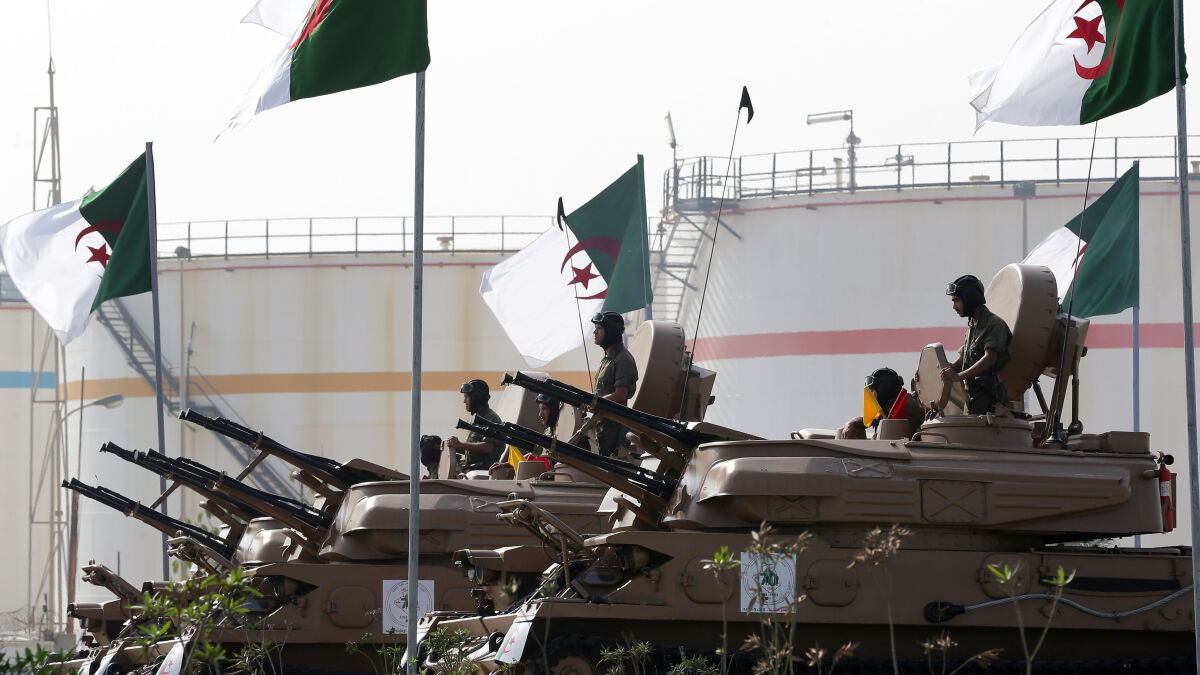
Algeria has officially decided to deploy units of its army to Niger. The government in Algiers confirmed the military movement on 28 October 2026. These forces will operate within the territory of Niger to secure regional interests. Officials stated that the deployment involves personnel and equipment arriving from Algeria to establish defensive positions near the border. Military commanders expect the presence of these units to influence the security situation across the Sahel. No specific timeline for the duration of the operation was provided by the Algerian military leadership. The move follows recent internal discussions regarding the protection of state assets and borders in neighboring nations. Troops are currently moving into designated zones to begin their oversight missions.
The decision to deploy units of the army to Niger marks a significant operational adjustment for the Algerian armed forces. By moving personnel and equipment into the territory of Niger, the government aims to establish a more proactive stance. These forces are tasked with maintaining defensive positions that can effectively monitor and respond to movements near the border. The military leadership has emphasized that the oversight missions are intended to provide a stable presence in areas that have historically lacked consistent security coverage.
Combating Regional Security Threats
Algerian officials maintain that the deployment is intended to combat transboundary threats and protect the stability of the Sahel-Saharan zone. Military planners identified the Sahel region as a high-risk area exposed to smuggling, drug trafficking, and armed groups. Security forces have designated the border with Libya as a point of persistent vigilance regarding these activities since 2011. The Sahel region is exposed to smuggling, drug trafficking, and armed groups, with the Libyan border being a point of vigilance since 2011.
Strategic assets form a primary component of the mission's scope. Protection efforts include the Trans-Saharan Gas Pipeline (TSGP) and infrastructure for transport and telecommunications. The deployment is linked to the protection of strategic projects including the Trans-Saharan Gas Pipeline (TSGP) and infrastructure for transport and telecommunications. These projects involve key state entities, including Sonatrach and Sonelgaz, which operate across the border zones. The safeguarding of these installations is considered vital for the continuity of energy exports and the maintenance of essential telecommunications networks that span the region.
Algeria is shifting its strategic posture from a policy of static border defense to a policy of securing its immediate regional environment. Algeria is shifting from a policy of border defense to a policy of securing its immediate regional environment to support corridors under the African Continental Free Trade Area (ZLECAf). This transition supports the security of trade corridors established under the African Continental Free Trade Area (ZLECAf). Brahim Guendouzi noted that the integration of transport and energy networks with Nigeria and Tchad requires a stable security environment to ensure the functionality of these continental links. The current oversight missions aim to maintain the flow of goods and energy resources through these designated zones. By ensuring that these corridors remain secure, the Algerian government intends to bolster economic integration and protect the long-term viability of its infrastructure investments in neighboring countries.