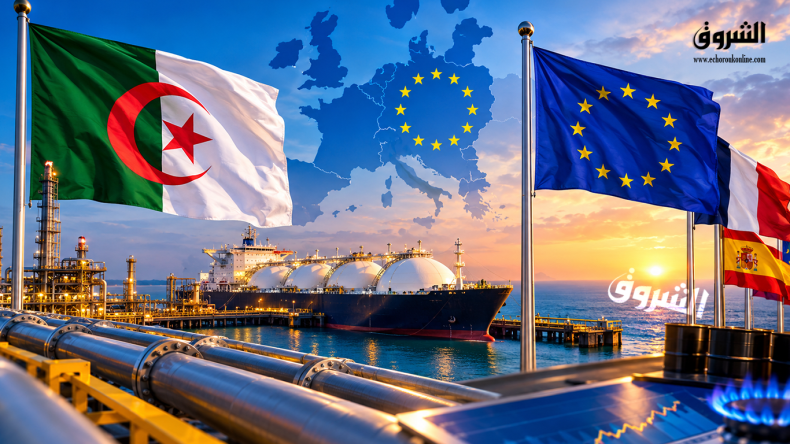
France has requested additional shipments of oil and liquefied natural gas from Sonatrach to bolster energy supplies ahead of the winter season. The request follows a period where Algeria maintained a significant role in meeting the energy needs of the continent. Algeria accounted for 18.5 percent of the European Union's gas import value during the first quarter of 2026. This data reflects the reliance of member states on Algerian energy exports as temperatures drop and demand for heating fuel rises. European officials continue to engage with the Algerian state-owned company to secure these resources. France remains one of several nations seeking to finalize these supply agreements before the onset of peak winter conditions.
Rising Demand and Market Prices
Gas prices at the Dutch TTF hub reached approximately 89.72 dollars per megawatt hour on 20 October 2026. This benchmark remains a primary indicator for energy costs across the European Union as nations compete for available supplies. Energy importers continue to monitor these market fluctuations while finalizing purchase agreements with producers like Sonatrach. The cost of fuel remains a concern for member states including France, Italy, Spain, and Germany as colder weather approaches. Market participants track these developments closely to assess the impact on regional heating budgets. Consistent pricing volatility at the Dutch TTF hub influences how European buyers approach long-term contracts with Algerian exporters. Future supply security depends on balancing these market rates with the production capacity of current providers.
Algeria Production and Export Trends
Algeria increased its gas production by 4.2 percent to 54.01 billion cubic meters during the first half of 2026. This output supported a rise in international sales, as Algerian gas exports grew by 2.4 percent to 23.97 billion cubic meters over the same six-month period. Domestic requirements also expanded, with Algeria’s gas consumption increasing by 6.3 percent to 28.49 billion cubic meters during the first half of 2026. These figures reflect the balance between rising local demand and the country's capacity to supply energy to international markets. The data from the first half of the year indicates how production trends align with both internal needs and the supply requests made by European nations ahead of the winter season.
Expanding European Energy Partnerships
Sonatrach delivered its first shipment of liquefied natural gas to Germany in July 2026. This initial supply marked a shift in the energy trade relationship between the two nations as Germany seeks to diversify its gas sources.
Minister of Energy and Mines Mohamed Arkab announced a 71.6 billion dollar investment program in the hydrocarbons sector through 2030. This initiative aims to maintain the production levels necessary to meet both domestic requirements and international export obligations. The capital allocation focuses on enhancing infrastructure and expanding extraction capabilities across the country.
Algerian authorities have also opened the 'Algeria Bid Round 2026' tender for seven exploration blocks. Companies interested in participating in the development of these sites must submit their bid documents by 26 November. This tender process is part of a broader effort to attract investment and increase reserves within the hydrocarbons sector. European energy firms often participate in these bidding processes to secure future access to resources. The outcome of this round will shape the long-term production potential for partners looking to engage with Algeria.