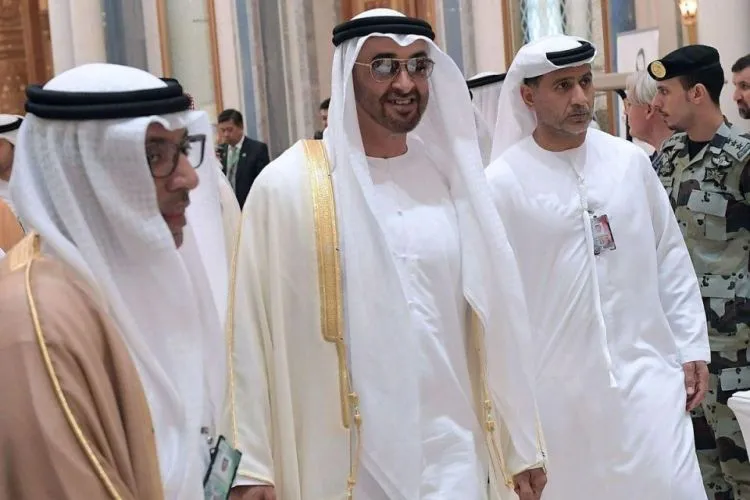
An article published on May 4, 2026, explores the future of Sheikh Mohamed bin Zayed Al Nahyan's leadership in the UAE. Authored by Abdelnasser Ben Aissa, the analysis delves into shifts within the country and their potential implications for the current ruler. The piece examines various internal and external factors contributing to a changing political landscape within the Emirates, suggesting a period of significant re-evaluation for the nation's leadership.
Internal Rifts Emerge
Internal dissent within the UAE leadership has reportedly surfaced, as noted by Abdelnasser Ben Aissa's article. Mohamed bin Rashid Al Maktoum, the ruler of Dubai, is cited as having posted criticism against Mohamed bin Zayed on social media, specifically tweeting what were described as "ugly epithets." Al Maktoum's pointed statement, "الأنانية في النجاح في العمل العامّ هي خيانة للأمانة" (Selfishness in success in public work is a betrayal of trust), shows a perceived breach of responsibility. This public display of disapproval from a prominent ruler signals a notable crack in the traditionally unified facade of the UAE's royal families. Other members of the royal families, including Khalifa bin Omar bin Khalid Al Nahyan and Sultan Al Jaber, have also been mentioned as expressing discontent, further indicating a broadening base of internal opposition. These expressions of dissatisfaction from within the ruling elite suggest a growing unease with the current direction and leadership.
Reports suggest a changing perception of Dubai, which the article indicates has shifted dramatically from being considered a "jewel of the world" to a place from which individuals are now eager to depart. This transformation in perception is not isolated, but rather supported by external observations. Western media outlets have contributed to this narrative, with the Daily Mail and BBC publishing reports detailing issues in Dubai. These reports also cover mercenary activities that are reportedly funded by the UAE, adding another layer of international scrutiny to the Emirates' affairs and raising questions about its operational ethics and global conduct. The article suggests that such negative portrayals, both internal and external, are eroding the UAE's carefully cultivated international image.
International Scrutiny Mounts
The article, published on May 4, 2026, criticizes Sheikh Mohamed bin Zayed Al Nahyan's policies, asserting that they have caused division and harm in several countries. The analysis specifically points to Sudan, Libya, Yemen, Somalia, and the Sahel region as areas where the UAE's ruler's policies have had a detrimental impact. Abdelnasser Ben Aissa's piece directly accuses Sheikh Mohamed bin Zayed Al Nahyan of orchestrating these divisive actions, contributing to instability and conflict in these sensitive regions. This perspective forms part of a broader examination of the shifting political landscape surrounding the UAE leadership. The article suggests that these international actions have contributed to a re-evaluation of Sheikh Mohamed bin Zayed Al Nahyan's standing, both regionally and globally. It frames these foreign policy decisions as factors that are increasingly drawing international attention and contributing to questions about the direction of the UAE under his leadership, potentially undermining its diplomatic efforts and alliances.
Broader Implications for the Region
Recent statements from some rulers within the UAE suggest a potential shift in the established order, according to the article. Abdelnasser Ben Aissa's analysis claims that these indications point to a re-evaluation of the current status quo within the Emirates, with implications extending beyond its borders. The article suggests that such internal shifts could profoundly influence the UAE's regional posture and its relationships with neighboring countries, potentially leading to a significant recalibration of its foreign policy objectives. A change in the internal dynamics of the UAE leadership could lead to a recalibration of existing alliances and a re-evaluation of its involvement in ongoing regional conflicts. The article implies that a departure from existing policies could have ripple effects across the Middle East and North Africa, impacting various ongoing conflicts and diplomatic efforts and potentially reshaping the geopolitical landscape of the entire region. The cumulative effect of internal dissent and international criticism, as detailed in the article, paints a picture of a leadership facing unprecedented challenges.