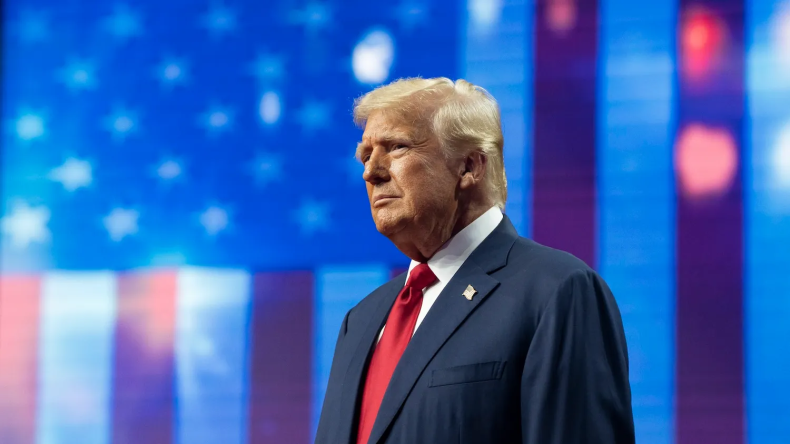
Former U.S. President Donald Trump publicly attacked critics of the understanding he reached with Iran to end the war in the Middle East. Trump attacked the critics on the Truth Social platform, accusing them of jealousy or malice. "هؤلاء الأغبياء الذين يعتقدون أنني لم أكن قاسيا بما فيه الكفاية حيال إيران، في حين تحقق أسواق الأسهم مستويات قياسية، وتنهار أسعار النفط، هم غيارى، أو أشخاص سيئون، أو حمقى," Trump wrote, according to his post. He characterized individuals who believe he was not sufficiently firm with Iran as "fools." Trump explicitly stated on the Truth Social platform that "these fools who think I wasn't tough enough on Iran, while the stock markets are reaching record levels, and oil prices are collapsing, are jealous, or bad people, or fools." This direct quote shows his strong dismissal of their criticisms and his belief that their opposition stemmed from personal animosity rather than legitimate concerns.
Critics Voice Strong Opposition
American politicians described this approach as a "historic sin" in the path of American foreign policy. This strong condemnation noted deep divisions within the political landscape regarding the agreement. Republican Senator Ted Cruz of Texas attacked the agreement, stating that funds expected to flow to Iran could be used to support activities Washington considers a threat to its interests and allies. Cruz further elaborated that the funds expected to flow to Iran under the agreement could indeed be used to support activities that Washington considers a threat to its interests and allies, raising significant national security concerns. Senator Bill Cassidy and media personality Mark Levin expressed concerns that the agreement would provide Tehran with economic breathing room without sufficient guarantees regarding its nuclear and missile programs. Critics of the agreement also cited the absence of clear texts related to Iranian ballistic missiles and Tehran's regional role. The lack of explicit provisions addressing these critical areas was a major point of contention for many lawmakers and foreign policy experts. The concerns from these figures show a broader skepticism regarding the deal's potential implications for regional stability and global security, suggesting that the agreement might inadvertently embolden Iran.
Trump Jr. Defends Father's Deal
Donald Trump Jr. Accused Senator Ted Cruz of "outright lying" regarding the terms of the agreement. This accusation intensified the public debate surrounding the controversial understanding. The younger Trump's statement came after his father, Donald Trump, used the Truth Social platform to address critics of the Iran deal. The former president stated, "هؤلاء الأغبياء الذين يعتقدون أنني لم أكن قاسيا بما فيه الكفاية حيال إيران، في حين تحقق أسواق الأسهم مستويات قياسية، وتنهار أسعار النفط، هم غيارى، أو أشخاص سيئون، أو حمقى." Donald Trump characterized those who believed he was not sufficiently firm with Iran as "fools," attributing their opposition to jealousy or malice. Senator Cruz had previously criticized the approach as a "historic sin," expressing concerns that funds flowing to Iran could support activities Washington considers a threat. Donald Trump Jr.'s defense aimed to counter these narratives, asserting that the agreement was misrepresented by its detractors.
Broader Political Fallout
A state of widespread political anger prevailed in Washington's corridors following the signing of the memorandum of understanding between the administration of President Donald Trump and Iran. The agreement sparked considerable debate among lawmakers and political figures, noting the deep partisan divide on foreign policy matters. Former President Donald Trump responded to the criticism on Truth Social, characterizing those who believed he was not sufficiently firm with Iran as "fools." According to Trump, "هؤلاء الأغبياء الذين يعتقدون أنني لم أكن قاسيا بما فيه الكفاية حيال إيران، في حين تحقق أسواق الأسهم مستويات قياسية، وتنهار أسعار النفط، هم غيارى، أو أشخاص سيئون، أو حمقى." He attributed the opposition to jealousy or malice, linking it to positive economic indicators like record stock markets and falling oil prices during his administration. This linkage suggested that critics were motivated by political opportunism rather than genuine policy concerns. The intensity of the reactions from both supporters and opponents showed the significant implications of the agreement for U.S. Foreign policy and regional dynamics.