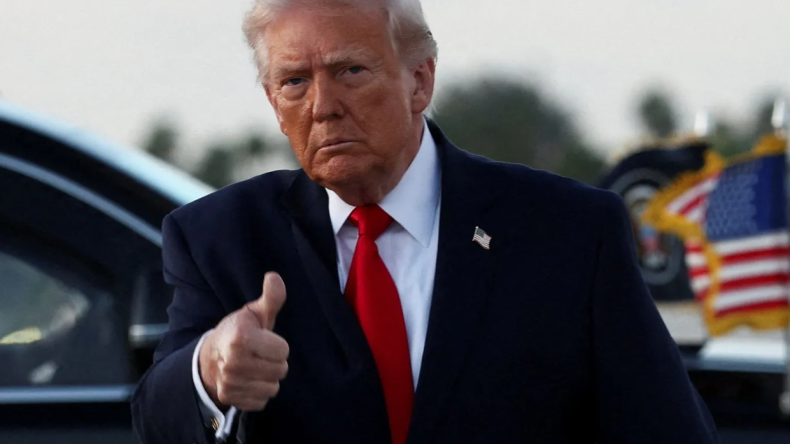
President Donald Trump announced Monday, June 29, 2026, that a significant meeting concerning Iran would take place Tuesday, June 30, 2026, in Doha, Qatar. This announcement by President Trump signals a new diplomatic initiative amidst ongoing regional tensions. Trump reiterated his assertion that Iran will never possess nuclear weapons during his administration, a stance he has consistently maintained. Reuters reported, citing an informed source, that technical teams from Iran and the United States are scheduled to meet in Doha in the coming days, indicating the operational details of the planned discussions. The upcoming meeting has drawn international attention as a critical effort to address complex issues between the two nations.
Technical Talks Details
The technical teams involved in the Doha meeting are tasked with implementing a joint memorandum of understanding between the parties. This memorandum outlines the framework for cooperation and resolution of specific issues. An informed source previously cited by Reuters indicated these talks would initially focus on specific technical aspects related to this understanding. However, a senior Iranian source later told Reuters that the meeting's focus will shift to managing navigation in the Strait of Hormuz. The Strait of Hormuz is a critical waterway for global oil shipments, showing the strategic importance of discussions concerning its management. The shift in focus suggests a broader agenda for the talks beyond initial technical implementation, encompassing vital regional security and economic concerns. These technical discussions aim to find practical solutions to complex challenges, building on previous engagements.
Broader Context and Mediation
The Doha meeting follows a period marked by threats of mutual military strikes, which risked undermining a fragile agreement between the involved parties. These threats noted the urgent need for diplomatic engagement to prevent further escalation. In response to the heightened tensions, international mediators are actively working to establish rapid communication channels designed to de-escalate field incidents as they arise. These communication channels are key for preventing misinterpretations and unintended confrontations. These diplomatic efforts aim to prevent miscalculations from escalating into broader conflict, thereby safeguarding regional stability. The involvement of mediators shows the complexity of the relationship and the necessity of external facilitation for dialogue.
Previous technical talks between Tehran and Washington have occurred in other locations, with Switzerland serving as a past venue for such discussions. These prior engagements demonstrate a history of diplomatic interaction, even amidst periods of strain. The ongoing engagement in Qatar indicates continued diplomatic efforts to address various points of contention and maintain a dialogue between the two nations. The current focus on de-escalation and communication channels notes the sensitive nature of the broader regional security landscape, where even minor incidents could have significant repercussions. The choice of Doha as a venue for these critical discussions reflects its growing role as a hub for international diplomacy in the Middle East.
Stated Objectives
President Donald Trump asserted on social media that Iran initiated the request for the upcoming meeting in Doha, framing the discussions as a response to Iranian overtures. The discussions in Qatar will also address strategies to reduce military escalation, aiming to safeguard global energy supplies. This objective is particularly pertinent given the strategic importance of the Strait of Hormuz and other key maritime routes for international trade. The focus on de-escalation shows concerns about the stability of energy markets, particularly given the critical role of waterways like the Strait of Hormuz in international oil shipments. This objective notes efforts to prevent potential disruptions stemming from regional tensions, which could have broad global economic consequences. The full nature of the agenda, from technical implementation to regional security and energy stability, illustrates the multifaceted challenges being addressed.