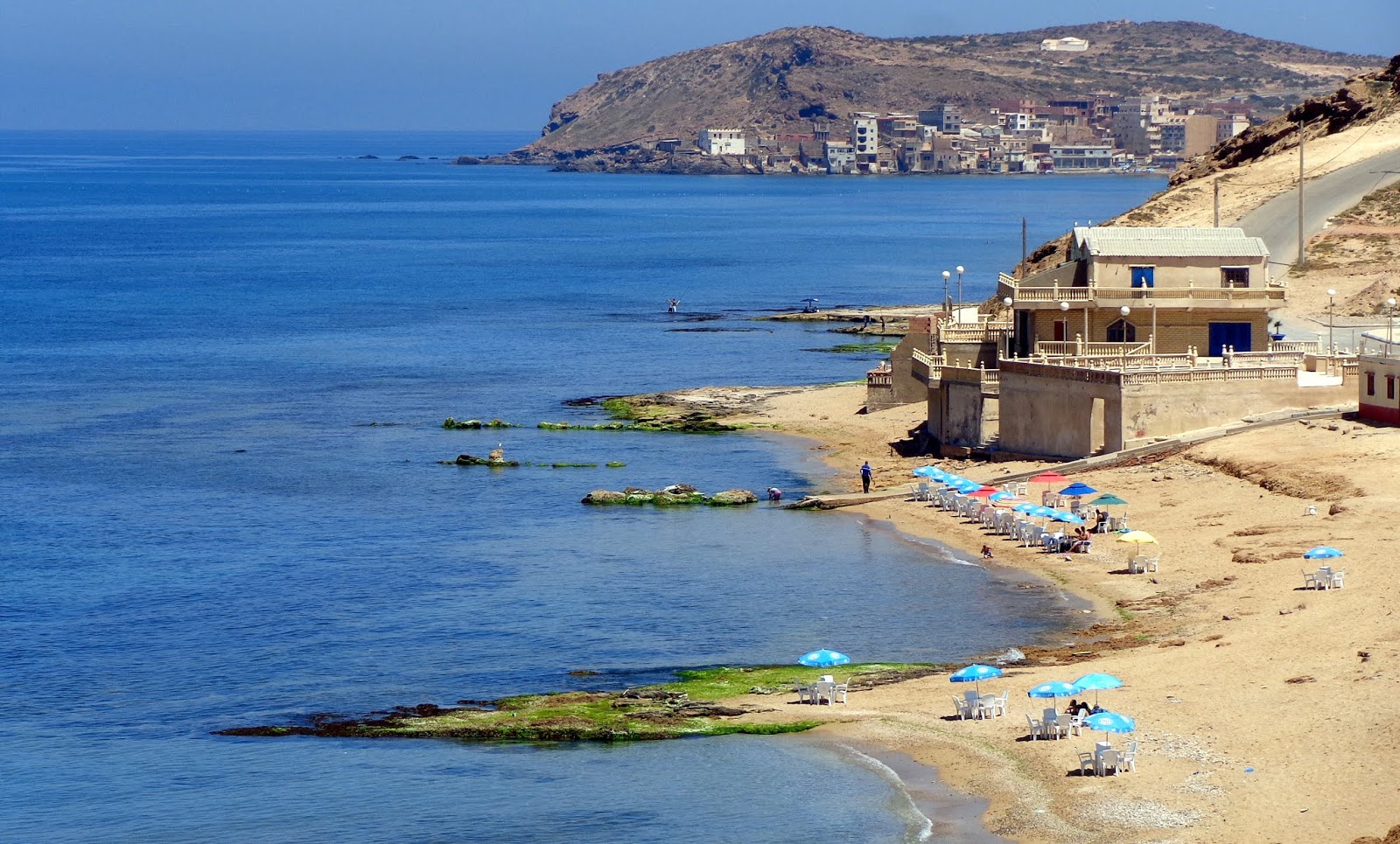
Algeria is expanding its artificial reef program, which began with Japanese support in Oran in 2015, to revitalize its marine ecosystems and support local fishing communities. This significant environmental and economic initiative will extend to four additional coastal wilayas: Skikda, Tizi Ouzou, and Tipaza, marking a substantial increase in the program's reach and potential impact. The program's initial phase involved a pilot project that saw artificial reefs submerged in the bay of Bousfer, Oran, during its 2015 launch. These artificial reefs are meticulously designed to create new shallow-water fishing areas, providing essential habitats for marine life. This regeneration of marine habitats is specifically intended to increase biomass, which will directly benefit small-scale fishers operating along the extensive Algerian coastline. The current expansion aims to replicate the successes observed in the initial phase, leveraging lessons learned from the pilot project.
Pilot Project Success and Ecological Impact
The pilot project, which laid the groundwork for this broader initiative, was a collaborative effort undertaken in partnership with the Japan International Cooperation Agency (JICA). Its primary objective was the regeneration of seabeds that had been significantly depleted by various forms of human pressure, including overfishing and pollution. The strategic intervention of submerging the first module quickly yielded positive results in the marine environment, demonstrating the efficacy of such artificial structures.
Within a mere few months of its deployment, the initial artificial reef structure began to thrive. Dozens of animal and plant species rapidly colonized the newly formed habitat, transforming the depleted seabed. This number has since grown dramatically, with the reef now supporting and exceeding one hundred different species, showcasing its strong capacity as an ecological anchor. The flourishing biodiversity includes various fish species, crustaceans, mollusks, and a rich array of marine flora, all contributing to a healthier and more productive marine environment. The artificial reef off Bousfer, which forms the core of this successful pilot, currently covers an impressive area of ten hectares, providing a substantial new habitat for marine organisms and a new fishing ground for local fishers. This ecological recovery shows the potential for similar positive transformations in other coastal areas.
Expansion Plans and Rationale for Coastal Communities
A new phase of the program is already underway, involving the installation of 100 additional blocks, which are scheduled to be submerged in 2025. These new blocks will significantly supplement the 80 blocks that were placed during the initial phase of the project, further expanding the artificial reef network. The expansion is strategically designed to address particular challenges faced by Algeria's fishing industry, especially concerning its artisanal sector.
Approximately 65% of Algeria's national fishing fleet comprises artisanal fishers, who play a key role in local economies and food supply. These fishers are typically equipped with smaller vessels that are not capable of operating effectively in high seas, necessitating their activity closer to the coastline. This situation contributes to intense pressure on coastal zones, as a significant portion of the fishing fleet concentrates its efforts in these shallower waters. The introduction of artificial reefs in these areas is expected to alleviate some of this pressure by providing alternative, regenerated fishing grounds. The program's expansion aligns specifically with Executive Decree No. 17-363, issued on December 25, 2017, which provides the essential regulatory framework for such marine environmental initiatives, ensuring their legality and proper implementation. This decree shows the Algerian government's commitment to sustainable marine resource management and the welfare of its fishing communities.
Broader Fisheries Context and International Cooperation
Beyond the artificial reef program, Algeria's broader fisheries sector has demonstrated significant growth and strategic development. In 2026, Algeria's aquaculture sector reported particularly significant activity, with over 80 million juvenile sea bass and gilt-head bream stocked across various facilities. This extensive stocking program played a key role in boosting national production. This concerted effort contributed to an estimated total production of 20,000 tons, representing a nearly threefold increase from the 7,000 tons recorded in previous years. This substantial growth in aquaculture reflects a strategic push to diversify protein sources and reduce reliance on wild-caught fish.
In addition to domestic production enhancements, Algeria has also sought to expand its fishing capabilities through proactive international agreements. The country successfully concluded a fishing agreement with Mauritania, a key development that permits Algerian professionals to fish in Mauritanian waters. This agreement specifies a quota of up to 30,000 tons for Algerian vessels operating in those waters, aiming to diversify fishing grounds and augment the national supply of seafood. This international collaboration not only provides new opportunities for Algerian fishers but also strengthens bilateral ties and promotes regional cooperation in marine resource management. These combined efforts—from artificial reef development to aquaculture expansion and international fishing agreements—illustrate Algeria's full approach to ensuring the sustainability and productivity of its marine resources for current and future generations.