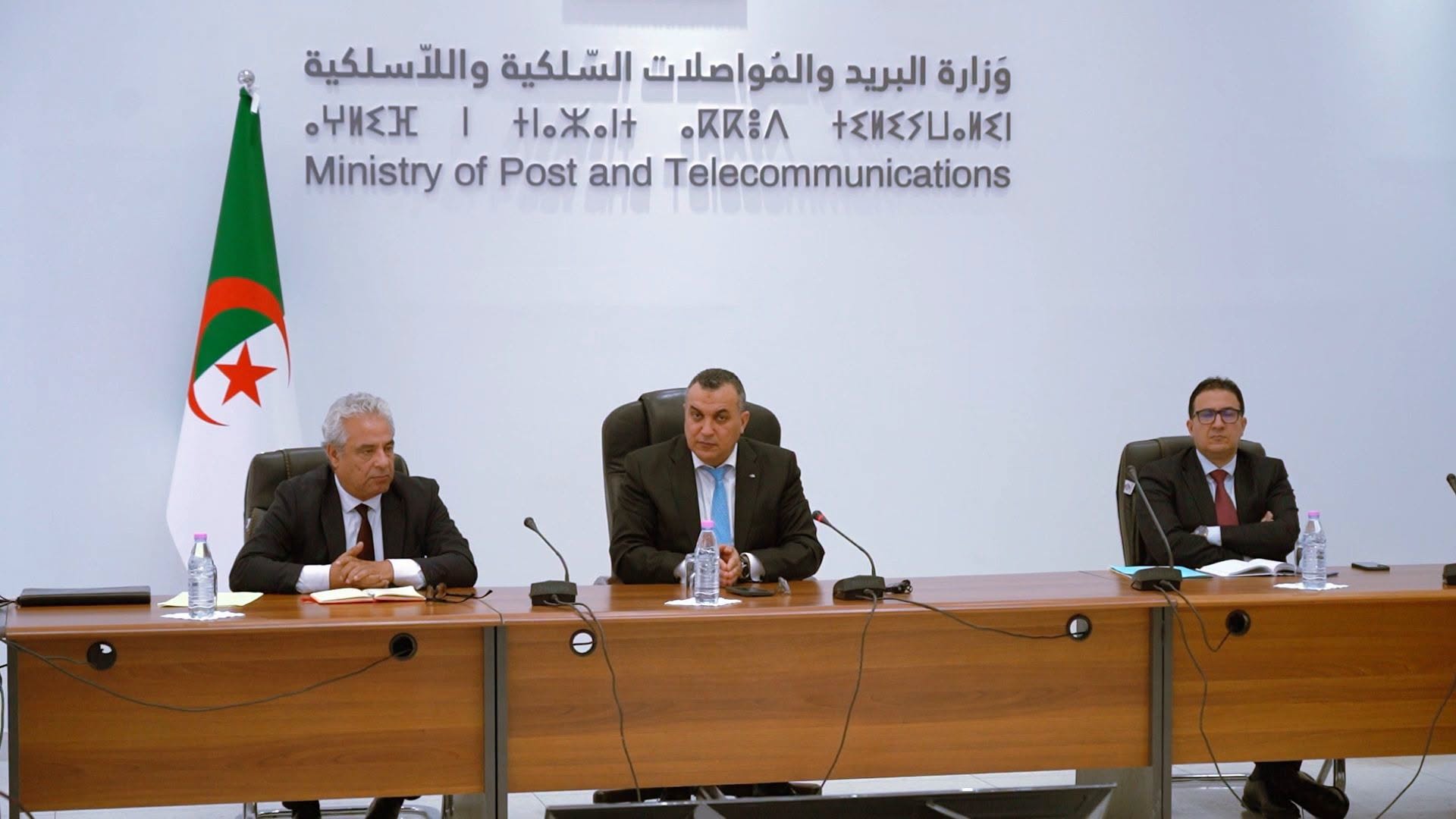
Minister Sid Ali Zerrouki chaired a coordination meeting with mobile operators and the Algerian Post and Telecommunications Regulatory Authority (ARPCE) on Wednesday to enhance network coverage and quality ahead of the summer season. The meeting showed the government's commitment to improving digital infrastructure and ensuring strong connectivity for citizens and visitors alike. Algerian authorities have initiated several key measures to improve mobile services, including a freeze on maintenance and update operations from June 25 to July 5. This strategic pause is designed to prevent any potential service disruptions during a period of anticipated high demand and increased network usage. The Ministry of Post and Telecommunications is also planning a new project to extend network coverage to an additional 3,000 zones, scheduled for the second half of 2026. This ambitious initiative aims to address connectivity needs, particularly in tourist areas and inland regions, during peak travel periods, ensuring that even remote communities have access to reliable mobile services.
The full plan reflects a proactive approach to managing the seasonal surge in mobile traffic and maintaining high service standards across the country. The focus on both immediate operational adjustments and long-term infrastructure development notes Algeria's dedication to digital transformation. These efforts are expected to significantly improve user experience, reduce congestion, and enhance overall network reliability throughout the summer months and beyond. The government's engagement with key stakeholders like mobile operators and the ARPCE is key for the successful implementation of these wide-ranging improvements.
Summer Network Reinforcement Plan
More than 300 mobile operator sites are being deployed and reinforced across 14 coastal wilayas as part of Algeria's extensive preparations for the summer season. These efforts aim to bolster network capacity and improve connectivity in areas expecting high tourist traffic, which typically places significant strain on existing infrastructure. The sites are strategically located to ensure consistent service quality for residents and visitors throughout the peak period, from popular beaches to bustling urban centers along the coast. This reinforcement initiative is a key component of the broader plan to enhance digital infrastructure, focusing on areas where mobile network demand is highest during the summer.
The deployment reflects a focused approach to preventing network congestion and ensuring reliable mobile services during increased demand. By preemptively upgrading and expanding network capabilities, authorities seek to minimize service interruptions and provide a smooth communication experience. The coastal regions, known for their summer appeal and influx of vacationers, are receiving particular attention in this upgrade cycle, ensuring that tourism-dependent areas are well-equipped to handle the connectivity needs of a larger population. These targeted investments are part of a national strategy to support economic activities, including tourism, by providing a strong and dependable telecommunications backbone.
Global Internet Ranking Improvements
Algeria has made remarkable progress in global internet rankings, advancing to 64th place globally in the mobile internet ranking. This significant leap shows the tangible impact of the country's ongoing investments in its telecommunications sector. Its capital, Algiers, has also joined the top 50 cities worldwide for mobile internet performance and download speed, a testament to localized infrastructure enhancements. Algiers now ranks 48th worldwide in mobile internet speed, showcasing a substantial improvement from its 116th position in September 2023. This rapid ascent in just a few months notes the effectiveness of the upgrades implemented within the capital's network.
The city's mobile network achieved an impressive download speed of 163.31 megabits per second (Mbps), placing it among the leading global cities for mobile connectivity. Additionally, Algiers recorded a strong upload speed of 24.30 Mbps and a low latency of 18 milliseconds. These metrics are key for modern digital activities, supporting everything from video conferencing to online gaming and efficient data transfer. The improved speeds and reduced latency contribute to a significantly enhanced user experience for both residents and businesses.
Beyond mobile performance, Algiers also saw notable improvements in fixed internet services. The city gained 11 places in the fixed internet ranking, demonstrating a holistic approach to improving digital access. Fixed internet in Algiers now offers a download speed of 92.44 Mbps, providing reliable and fast connectivity for homes and offices. It also provides an upload speed of 42.21 Mbps, facilitating efficient data sharing and cloud-based operations. These advancements reflect a broader enhancement of digital infrastructure across the country, aiming to bridge the digital divide and foster a more connected society.
Future Coverage Expansion and 5G Rollout
The nation's telecommunications landscape continues to evolve with significant technological advancements. 5G technology arrived in Algeria at the end of 2025, marking a significant step in the country's telecommunications development and positioning it for future digital growth. This introduction laid the groundwork for further advancements in mobile connectivity, enabling faster speeds, lower latency, and greater capacity. The Ministry of Post and Telecommunications is committed to expanding this advanced technology across more regions.
The nation also plans to complete its current program, which targets the expansion of network coverage to 1,400 zones. This initiative is part of a broader strategy to extend digital infrastructure and improve service accessibility across various regions, ensuring that previously underserved areas gain access to modern telecommunication services. The planned expansions aim to ensure that more communities benefit from enhanced mobile network services, aligning with the country's goals for digital inclusion and improved connectivity. These projects, alongside the new project planned for 3,000 additional zones in the second half of 2026, represent a concerted effort to build a strong and future-ready digital backbone for Algeria.