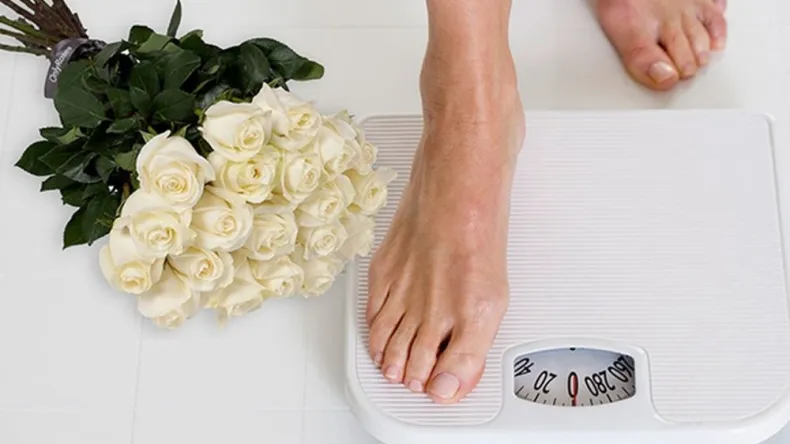
Women typically experience an average weight gain of 12 kg within the initial five years of marriage, according to statistical data. This trend notes a significant physical change observed in individuals following their wedding. The increase in weight during this period is a consistent pattern noted across various studies focusing on marital impacts on health. This phenomenon contributes to broader discussions surrounding lifestyle adjustments and relationship dynamics post-nuptials, affecting a substantial number of individuals entering married life. The statistical data shows a widespread physical transformation that warrants closer examination, moving beyond anecdotal observations to scientific understanding.
The Concordance Phenomenon
Weight gain can be a shared experience between spouses, a phenomenon scientifically referred to as 'concordance'. This concept suggests that lifestyle changes and habits adopted by one partner can influence the other, leading to similar physical outcomes. In fact, weight gain can be considered almost contagious between spouses, as habits and environmental factors are often shared. In the context of marriage, this often manifests as both individuals experiencing an increase in weight together. The shared environment, dietary patterns, and activity levels post-nuptials contribute to this synchronized change, making it a common observation in long-term relationships. This interdependence notes how health-related behaviors are often intertwined within a partnership, extending beyond individual choices to affect the couple as a unit. The shared journey of married life often brings with it a convergence of daily routines, including eating habits and physical activity, which collectively contribute to the observed concordance in weight.
Hormonal Shifts and Cravings
The hormone oxytocin, widely recognized for its role in bonding and happiness, has been observed to reduce stress levels while simultaneously enhancing feelings of comfort and security. This hormonal influence can contribute to a more relaxed state in individuals, often referred to as the hormone of bonding and happiness. Complementing these internal shifts, two other hormones play significant roles in appetite regulation. Ghrelin, often referred to as the hunger hormone, is known to increase appetite, prompting individuals to consume more food. Conversely, leptin functions as a satiety hormone, signaling to the body when it has achieved a feeling of fullness. This delicate balance between ghrelin increasing appetite and leptin providing a feeling of fullness is key for weight management. The interplay of these hormones can collectively impact an individual's metabolic state and eating patterns following significant life changes such as marriage. The shift in emotional and physiological states post-marriage can therefore directly influence an individual's caloric intake and energy expenditure.
Psychological and Lifestyle Factors
Research indicates a significant correlation in weight status between married partners. If one spouse develops obesity and experiences difficulty managing their weight, the other partner faces an increased likelihood of also becoming obese. This phenomenon is observed at a rate of up to 37%. This suggests that shared lifestyle habits and environmental factors within a marriage can substantially influence both individuals' health outcomes, particularly concerning weight management. The concordance in obesity rates among spouses notes the interconnectedness of health behaviors in a shared living environment. This pattern shows how dietary choices, physical activity levels, and overall lifestyle adopted by one partner can have a direct impact on the other's health trajectory. The shared meals, leisure activities, and even stress coping mechanisms within a marriage can inadvertently lead to similar weight trajectories for both partners, making weight management a joint endeavor.
Expert Insights on Marriage and Weight
The hormone cortisol can cause temporary disruption in calorie burning, leading the body to store rather than consume. This physiological response can influence weight management by altering how the body processes energy. The temporary nature of this disruption suggests a potential link between stress-related hormonal changes and metabolic function. This particular hormonal response is a key factor in understanding how psychological stress, which can be present during significant life transitions, might contribute to weight gain. The body's natural reaction to perceived stress can shift its metabolic priorities, potentially favoring fat storage over energy expenditure. Understanding these physiological mechanisms provides a more full view of the complex factors contributing to weight changes in newlywed individuals.