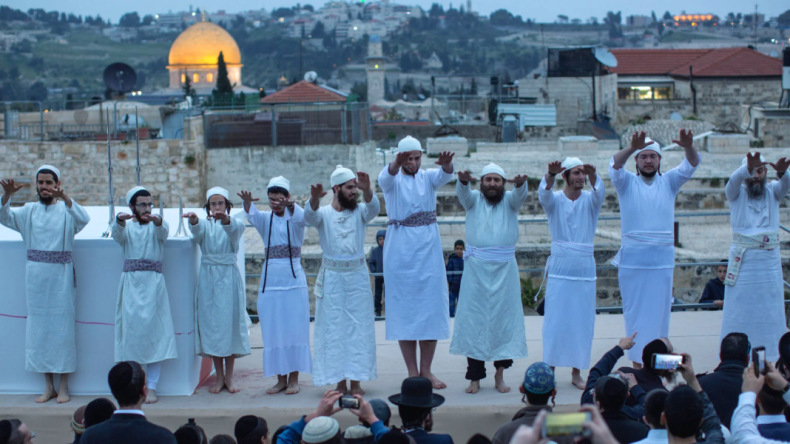
Zionist settlers entered the Al-Aqsa Mosque compound on Friday for the first time since 1967, sparking widespread concerns regarding the sanctity of the blessed site. This unprecedented event marked a significant escalation. Nine settlers reportedly stormed المسجد الأقصى المبارك (Al-Aqsa Mosque) in القدس (Jerusalem) following the afternoon prayer, marking an unusual and deeply concerning incursion into the holy site. The presence of settlers within the compound, particularly under these circumstances, has been met with strong condemnation and has drawn international attention to the fragile status quo governing religious sites in Jerusalem. The incursion represents a direct challenge to the historical and religious significance of Al-Aqsa Mosque, which holds immense importance for Muslims worldwide.
Escalation Amidst Religious Festival
The settlers carried a sacrifice described as the Jewish "bread sacrifice," specifically associated with the Jewish "Feast of Weeks." This act occurred as they entered the Al-Aqsa Mosque compound, marking a significant development during a religious festival. The carrying of such a specific religious offering into the Al-Aqsa Mosque compound has been widely interpreted as a provocative act. This particular sacrifice, known as the Jewish "bread sacrifice," is intrinsically linked to the observances of the Jewish "Feast of Weeks," a period of religious celebration. The timing of this incursion, coinciding with a Jewish religious festival, has further amplified concerns about the intentions behind such actions. The presence of these specific religious items within the mosque's premises is viewed as a deliberate attempt to assert a different religious narrative within the Islamic holy site. This event shows the ongoing tensions surrounding religious practices and access within the Old City of Jerusalem.
Context of Imposed Realities
The escalation within the Al-Aqsa Mosque compound occurs amidst continuous and persistent attempts to establish new realities inside the holy site. These attempts are frequently accompanied by calls to conduct both plant and animal sacrifices within the mosque's premises. Such calls, often made by extremist groups, aim to fundamentally alter the existing religious and historical character of Al-Aqsa. The incursion on Friday, with the settlers carrying the Jewish "bread sacrifice," is seen as a tangible manifestation of these ongoing efforts. These actions contribute to a climate of heightened tension and anxiety among worshippers and custodians of the mosque. The continuous pressure to introduce different religious rituals and symbols into the Al-Aqsa Mosque compound is perceived as a systematic challenge to its Islamic identity and heritage. Observers note that these attempts are part of a broader strategy to change the long-established status quo within the blessed compound.
Official Condemnation and Warnings
The incursion into the Al-Aqsa Mosque compound coincides with widespread incitement from extremist "Temple" groups. These groups have been calling for actions related to the so-called Hebrew "Feast of Weeks," explicitly advocating for activities that challenge the Islamic nature of the site. The activities are viewed as part of ongoing efforts to alter the Islamic identity of the mosque. Official bodies and religious authorities have repeatedly warned against such provocations, emphasizing the potential for these actions to ignite wider regional unrest. The calls from extremist "Temple" groups for specific actions during the Hebrew "Feast of Weeks" are seen as direct instigation for such incursions. The international community has also frequently reiterated the importance of respecting the sanctity and historical status quo of religious sites, particularly the Al-Aqsa Mosque compound, to maintain peace and stability in the region.