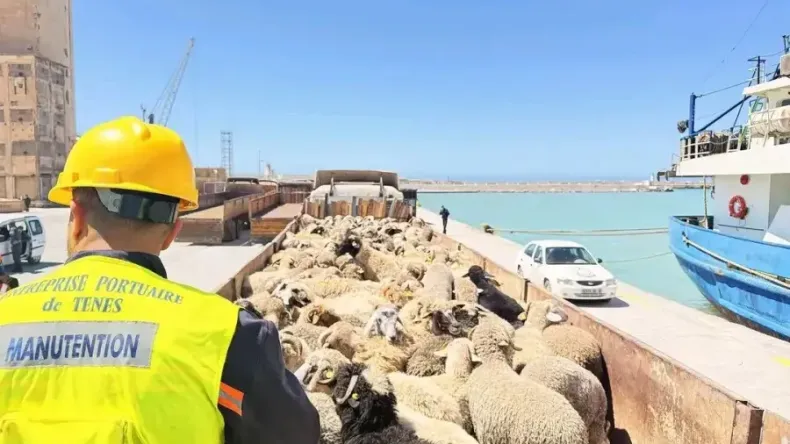
The Port of Ténès in Chlef, Algeria, received a significant new shipment of livestock from Spain on Friday morning. Over 13,000 sheep arrived at the port, designated for distribution across the country in preparation for the upcoming Eid al-Adha religious holiday. This delivery aims to bolster the domestic supply of sacrificial animals, addressing consumer demand during the festive period. The arrival marks a continuation of efforts to ensure adequate availability for Algerian families celebrating Eid al-Adha. The Port of Ténès, a key maritime entry point, facilitated the reception of this substantial consignment, showing its role in national supply chain logistics.
Shipment Details and Purpose
A total of 13,489 sheep arrived at the Port of Ténès. These animals were transported from Spain to Algeria, arriving on Friday morning as part of a concerted effort to prepare for the religious holiday. The shipment's primary purpose is to facilitate sales to citizens, ensuring they have access to sacrificial animals in anticipation of the upcoming Eid al-Adha celebrations. This import aims to supplement local supplies and meet the increased demand for sacrificial animals associated with the religious holiday. The animals will be distributed to various markets to ensure availability across the country for consumers preparing for the festivities. This strategic importation is key for meeting the national demand for Eid al-Adha sacrifices and ensuring their widespread availability to the public.
Ongoing Veterinary Checks
Veterinary control procedures are currently underway at the Port of Ténès, according to port authorities. These checks are being conducted on the recent shipment of sheep from Spain before the animals are permitted to be unloaded. The ongoing inspection is a standard protocol to ensure the health and safety of the livestock and to comply with import regulations. This process is critical to guarantee the animals are fit for distribution and consumption ahead of the Eid al-Adha celebrations. The successful completion of these veterinary assessments will allow for the movement of the sheep from the port facilities to designated markets across Algeria. These stringent health checks are a mandatory step to protect both animal welfare and public health, ensuring only healthy animals enter the supply chain.
Previous Import History
The current shipment of sheep from Spain arrived at the Port of Ténès as part of preparations for Eid al-Adha. This delivery aligns with a broader strategy to ensure sufficient livestock availability for the religious holiday. Algerian authorities have received five shipments of imported sheep since last April. These previous imports have also contributed to bolstering the national supply ahead of periods of high demand, particularly for religious festivals. The consistent reception of livestock shipments points to an ongoing effort to stabilize the market and provide consumers with access to sacrificial animals. The arrival of these 13,489 sheep marks another significant step in this ongoing import program, reinforcing the commitment to meet consumer needs.
Meeting National Demand
The current sheep import operation is specifically designed to address the national demand for sacrificial animals during Eid al-Adha. The objective is to ensure that these animals are readily available to citizens across the country ahead of the religious holiday. This strategic import supports the domestic market, providing an adequate supply to meet the increased consumption associated with the festive period. Ensuring availability helps stabilize prices and offers consumers a reliable source for their Eid al-Adha observances. This operation aims to meet national demand for Eid al-Adha sacrifices and ensure their availability across all regions. The arrival of this new shipment of over 13,000 sheep from Spain on Friday morning is a direct response to this critical national need.