Spain is proactively diversifying its energy supply sources, a strategic imperative aimed at reducing risks associated with reliance on strategic corridors such as the Strait of Hormuz. This full approach provides Spain with demonstrably greater security margins in its energy distribution compared to many other European countries. The diversification strategy is particularly relevant and critical during periods of energy crises, especially those stemming from Middle East tensions and the ongoing indirect blockade on the Strait of Hormuz. By focusing on varied origins for its energy imports, Spain effectively helps to mitigate potential disruptions to its vital energy flow. This calculated move is a cornerstone of the nation's energy policy, ensuring a more resilient and stable supply chain in an increasingly volatile global landscape.
Shifting Supply Dynamics
Spain's energy import mix clearly demonstrates a significantly reduced dependence on suppliers from the Gulf region, marking a deliberate and successful shift in its procurement strategy. Recent data shows this transformation: oil shipments originating from the Gulf area now constitute no more than 10% of Spain's total oil imports. This figure represents a substantial decrease from historical levels, noting a conscious effort to broaden its supplier base. Similarly, Spain's reliance on natural gas from the Gulf region is minimal, accounting for less than 2% of its overall natural gas imports. This strategic adjustment in the country's energy procurement efforts ensures that Spain is less vulnerable to geopolitical instability in any single region. The changes in import dynamics align smoothly with Spain's broader energy diversification strategy, which prioritizes supply security and resilience. This strategic repositioning enhances Spain's ability to navigate global energy market fluctuations with greater stability.
Algeria's Key Role
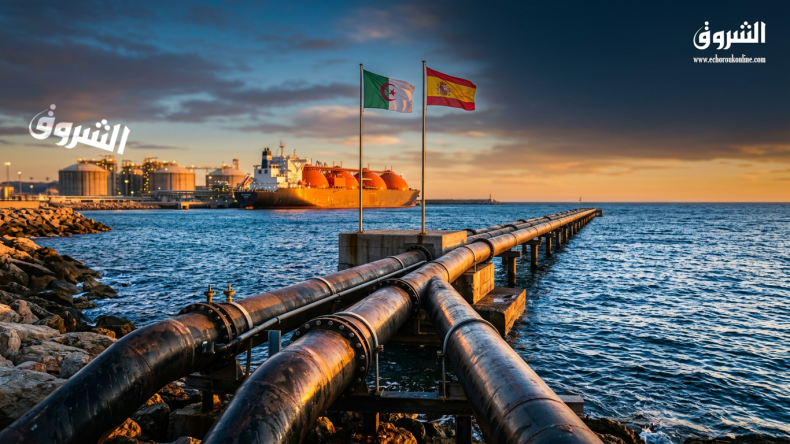
Algeria remains a key element in Spain's energy security equation, providing a reliable and significant source of natural gas. This critical relationship is bolstered by Spain's commitment to diverse energy sources and its advanced energy infrastructure. Algeria's positioning is particularly significant amidst increasing challenges from global supply volatility and instability in international energy markets, offering a stable alternative. Algeria is consistently noted as one of the most important gas suppliers to the Spanish market, operating within a more stable Mediterranean supply system. This long-standing partnership provides a foundational layer of energy security, complementing Spain's efforts to broaden its energy portfolio and reduce reliance on more distant or geopolitically sensitive regions. The stability offered by Algerian gas supplies is a key component of Spain's overall energy resilience.
Strong Infrastructure and Refining
Spain possesses one of Europe's largest LNG regasification capacities, a critical asset for managing diverse gas imports. This extensive infrastructure includes 27 storage tanks and nine operational receiving terminals, strategically located along its coastline. These regasification terminals are advanced, equipped to efficiently handle the largest modern tankers, with individual capacities reaching up to 270,000 cubic meters. This substantial capacity ensures flexibility in sourcing natural gas from various global markets, enhancing supply security.
The refining sector forms another indispensable pillar of the Spanish energy system. This sector is adept at converting crude oil from multiple and varied sources into a wide array of refined products, including gasoline, diesel, jet fuel, and petrochemical feedstocks. This sophisticated capability allows Spain to achieve a high level of self-sufficiency in petroleum products, with excess production frequently exported to other markets. Major energy companies have made significant investments in bolstering this infrastructure. Repsol, for instance, has invested approximately 15 billion euros since 2008 to develop and modernize its industrial capabilities within Spain, demonstrating a long-term commitment to the sector's robustness. More recently, Repsol committed an additional 1.4 billion euros specifically to ensure the stability of kerosene supply, particularly key during the peak tourist season. BP's Castellón refinery further contributes to this strong infrastructure, boasting an impressive production capacity of approximately 650,000 liters of fuel per hour. This refinery also demonstrates remarkable flexibility, capable of processing diverse types of crude oil, further enhancing Spain's ability to adapt to changes in global oil markets and maintain a steady supply of essential fuels.
Renewables and Price Stability
Renewable energy sources have made significant strides in Spain's energy matrix, playing an increasingly dominant role in electricity generation. In April, renewable energy sources collectively accounted for an impressive 59.8% of Spain's total electricity production, marking a substantial contribution to the national grid. During that same month, solar photovoltaic energy emerged as the leading source for electricity generation, surpassing other renewable and conventional sources. This surge in renewable energy generation has tangible positive impacts on consumer costs. The increased contribution from renewables played a direct role in the notable year-on-year decrease in electricity prices observed across the Iberian Peninsula throughout March. This positive trend in price reduction stands in stark contrast to market developments in several other European countries, many of which experienced different and often upward price dynamics during the same period. The growing integration of renewables not only supports Spain's decarbonization goals but also contributes significantly to greater energy independence and price stability for consumers.