The era of a team from outside Europe and Latin America winning the World Cup is now considered closely approaching. An African team reaching the final is no longer seen as a surprising event, but rather as an anticipated development. This shift reflects growing expectations for football nations beyond the traditional powerhouses of Europe and Latin America to contend for the sport's highest honor. The notion that a non-European or non-Latin American side could lift the coveted trophy is gaining significant traction, fueled by consistent improvements and notable performances from African national teams on the international stage. This evolving perspective suggests a global rebalancing of footballing power, where talent and tactical prowess are increasingly emerging from diverse regions.
Shifting Perceptions and Past Victories
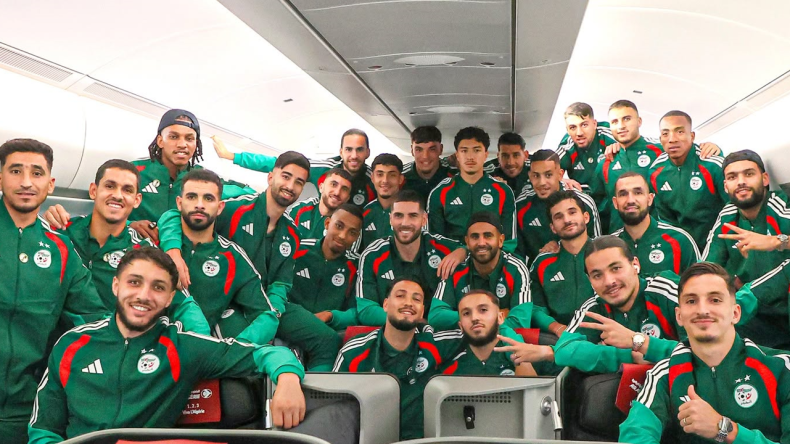
The era when an African team defeating a World Champion was seen as an anomaly has concluded. Indeed, the time when an African team beating the World Champion was considered a surprise has definitively passed. Recent results show this changing dynamic and highlight the growing competitiveness of African football. Egypt's national team experienced a challenging loss to Brazil, demonstrating their willingness to compete against top-tier opposition. Elsewhere, Ivory Coast secured a significant victory against France on French soil, a testament to their strength and determination. Algeria also made a statement by defeating the Netherlands at home. Senegal has further solidified this trend, achieving numerous notable wins in recent months, triumphing over both England and Brazil, showcasing their ability to overcome established footballing giants. These impressive performances occurred as Spain, considered a favored team, drew against Iraq on its home ground, further illustrating the evolving competitive landscape in international football and the diminishing gap between traditional powerhouses and rising contenders. Such outcomes are reshaping global perceptions, indicating that African teams are no longer merely participants but serious competitors.
Foundations for Future Success
A historical perspective shows the monumental progress made by African football. In 1974, following Zaire's (now DR Congo) performance in the World Cup, where the team lost all three matches heavily, conceded 14 goals, and scored none, some FIFA members suggested removing Africa's single World Cup seat. This historical context notes a significant shift in perception and capability, demonstrating how far African football has come from those early, challenging days. The continent's footballing journey has been one of perseverance and continuous development, transforming from a position of vulnerability to one of growing strength and influence.
Success in modern football is attributed to a combination of factors, including the sport's popularity within a nation, the presence of professional players competing in European leagues, adequate funding, and a strong sense of determination and self-confidence among players and federations. These essential elements are increasingly aligning for African nations, laying a strong foundation for future success on the global stage. The widespread passion for football across Africa ensures a deep talent pool, while the increasing number of African players excelling in elite European clubs brings invaluable experience, tactical discipline, and a winning mentality back to their national teams. Improved infrastructure and financial investment, coupled with a collective belief in their potential, are creating an environment ripe for unprecedented achievements.
The 2026 Ambition and Beyond
An African nation has publicly declared its ambition to win the upcoming World Cup, signaling a profound shift from merely aiming to advance in the tournament. An African country has announced that its goal in the upcoming World Cup is to win the title, not just to advance. This stated goal reflects a growing confidence among African football federations regarding their potential on the global stage, moving beyond the aspiration of participation to the pursuit of ultimate victory. This bold declaration is a powerful indicator of the continent's elevated self-belief and strategic intent.
The expanded format of the 2026 World Cup, which will feature 48 teams, is expected to provide ten African teams with increased opportunities for qualification and progression. All ten African teams participating in the 2026 edition are considered candidates to advance to the second round, according to current assessments. This broader representation and perceived competitive strength highlight the continent's rising footballing stature and the depth of talent available. The belief is that with more African teams qualifying and demonstrating the capability to progress beyond the group stages, the prospect of one lifting the trophy becomes more tangible and realistic. This optimism is fueled by consistent improvements in player development, tactical approaches, and global exposure for African footballers, all contributing to a stronger, more competitive continental presence in international football. The increased presence at the tournament will not only offer more chances for success but also provide invaluable experience, further accelerating the continent's footballing evolution.