Morocco faces strategic defeat when its long-term objectives become unachievable due to external pressures. The concept of strategic defeat occurs when a country's long-term strategy fails or becomes impossible to implement due to external factors. A significant development impacting Morocco's strategic outlook is the implementation of the Algerian-Nigerian gas pipeline project. This initiative reroutes energy infrastructure through a competing regional power, thereby undermining Morocco's regional ambitions. Morocco's strategic failures also extend to its foreign policy efforts, including the Abraham Accords and its pursuit of international support for autonomy in the Western Sahara, both of which have encountered significant obstacles.
Geopolitical Gas Competition
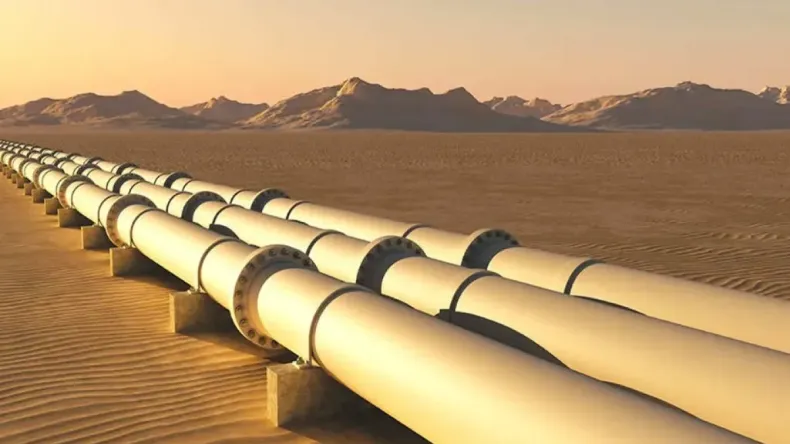
Morocco proposed a parallel pipeline via the Atlantic in 2016, an initiative intended to obstruct the Algerian-Nigerian project. This counter-proposal aimed to present an alternative energy corridor, but its viability has been challenged by the progress of the Algerian-led endeavor. Algeria has been considering a gas pipeline connecting it to Nigeria since the 1970s, reflecting a long-standing strategic interest in energy infrastructure development. The concept of the Trans-African gas pipeline was revived in 2002, signaling renewed political will and economic motivation for the project. Following this revival, detailed studies for the project commenced in 2006, laying the groundwork for its eventual implementation. This long-standing Algerian ambition has gained new traction, moving from conceptualization to active development.
The Algerian-Nigerian gas pipeline project is now being implemented, marking a critical milestone in its long history. This implementation solidifies its position as a major regional energy initiative. Mali has joined the Nigerian-Algerian gas pipeline agreement, further consolidating support for the project among regional states and indicating a shift in regional alliances. This endorsement from Mali adds considerable weight to the project's geopolitical standing. Morocco's Atlantic pipeline proposal, which includes a promise of gas entry into homes by 2030, has been presented as an alternative designed to offer energy security and economic benefits to participating nations. The competition between these two pipeline projects shows the complex energy dynamics and geopolitical rivalries in Northwest Africa, noting the strategic contest for influence and resource control in the region.
Failed 'Moroccan-Zionist' Ambitions
In 2020, then-President Trump recognized Moroccan autonomy over the Western Sahara through a Twitter announcement. This recognition was reportedly part of a broader exchange for Morocco's normalization of relations with Israel and the initiation of what was termed a "Moroccan-Zionist project" in Northwest Africa. This strategic alignment aimed to reshape regional power dynamics. The project's stated aims were to exert pressure on Mauritania, subsequently extend influence to Mali and Niger, and ultimately contribute to the isolation of Algeria, thereby consolidating Morocco's regional standing and weakening its primary rival.
However, the "Moroccan-Zionist project" has reportedly failed to achieve its objectives, encountering significant resistance and unforeseen challenges. Several factors are cited for this outcome, including the Zionist entity's setbacks against Iran and Palestinian resistance, which diverted focus and resources. Additionally, Mauritania's refusal to align with the project's goals represented a significant impediment, as its participation was key for the project's regional reach. Mali's inability to contribute to the destabilization of Algeria further undermined the project's strategic intentions in the region, as its internal issues prevented it from playing the intended role. These combined factors illustrate the limitations of external pressures when confronted with sovereign decisions and internal complexities of regional states.
Western Sahara Autonomy Project
Morocco adopted its autonomy project for Western Sahara around 2007, presenting it as a pragmatic and realistic solution to the long-standing dispute. The kingdom officially presented this autonomy proposal to the UN Security Council on October 31, 2025, seeking international endorsement for its plan. United Nations Security Council Resolution 2797 subsequently conditioned the autonomy project, setting specific requirements for its progression. This resolution stipulated that the project required negotiation between the parties, acceptance by the Sahrawi people through a legitimate process, and adherence to the principle of self-determination, emphasizing the importance of Sahrawi consent. China and Russia both abstained from voting on Resolution 2797, indicating a lack of full endorsement from two permanent members of the Security Council. This abstention signals that the resolution, while passed, does not carry unanimous backing from key global powers. The conditions outlined in the resolution show the ongoing international expectations for a negotiated settlement that includes Sahrawi consent, noting that the path to a resolution remains complex and contingent on fundamental principles of international law.
Atlantic Initiative's Demise
Morocco marketed its 'Atlantic Initiative' in 2023, aiming to provide Central African countries with access to the Atlantic Ocean and foster regional economic integration. This initiative was positioned as a strategic move to enhance Morocco's influence and create new trade routes. However, the initiative's progress has reportedly faltered, failing to gain the necessary traction and support from its intended beneficiaries. Participating countries reportedly saw no tangible benefit in the proposal, perceiving it as lacking concrete advantages for their own development and strategic interests. Mauritania refused to align with the initiative, further impeding its regional viability and demonstrating a lack of consensus on its utility. Additionally, Niger's decision to join the Algerian pipeline project redirected its strategic focus away from Morocco's Atlantic proposal, as it opted for an alternative energy and infrastructure partnership. Mali, preoccupied with internal issues, also did not contribute to advancing the initiative's goals, as its domestic challenges took precedence over external regional projects. These factors collectively led to the reported failure of the 'Atlantic Initiative', illustrating the challenges Morocco faces in building broad regional consensus for its strategic projects.