The Ministry of National Education (وزارة التربية الوطنية), in collaboration with the National Office for School Textbooks (الديوان الوطني للمطبوعات المدرسية), is racing against time to ensure the availability of the new edition of school textbooks before the start of the 2026/2027 academic year. This critical initiative aims to have all necessary educational materials prepared and distributed well in advance of the commencement of classes. The coordinated effort between these two key entities shows a profound commitment to the timely provision of essential learning resources for students across the nation. This proactive approach is designed to prevent any delays that could impact the academic year and ensure a smooth start for all pupils.
Printing New Textbooks
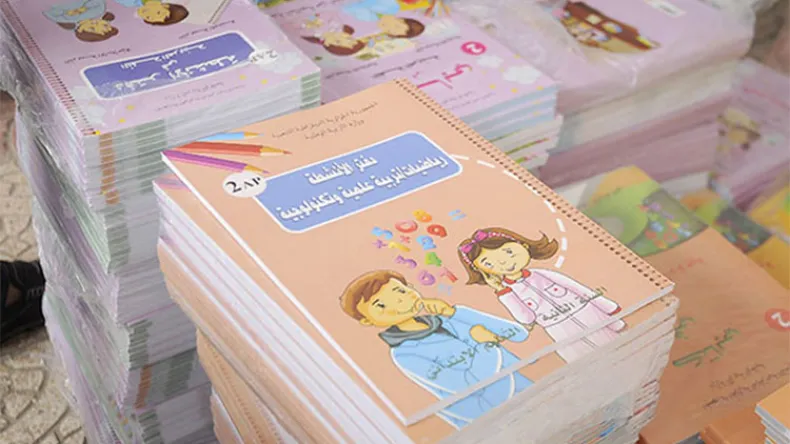
A special plan has been put in place and is now active for the printing of between 1.2 million and 1.5 million new, revised textbooks. This ambitious undertaking is key for updating educational content and ensuring students receive the most current information. Printing machines commenced operations in May to fulfill this significant requirement, marking the initial phase of production. The current printing process is scheduled to halt temporarily on July 25, allowing for a brief intermission in production. Operations for printing these essential textbooks are then set to resume again on August 25, indicating a strategic pause to manage logistics or prepare for the next phase of printing. The scale of this printing operation notes the immense effort involved in preparing for the upcoming academic year.
Logistical Challenges Ahead
The distribution of approximately 1.5 million new textbooks requires significant logistical efforts, including the deployment of numerous trucks and the establishment of continuous transport lines, to ensure timely and efficient delivery to schools nationwide. This phase presents its own set of complexities. A persistent issue impacting this process is the refusal of some school accountants and middle school principals to accept primary school books. This reluctance complicates the established distribution channels, which typically rely on these intermediaries. Consequently, this refusal may compel the National Office for School Textbooks' regional branches to directly distribute books to primary schools. This direct distribution would bypass the usual intermediary points, potentially adding further strain to the logistical network as branches would need to manage a larger volume of individual school deliveries. This challenge shows the need for strong planning and flexibility within the distribution strategy.
Ensuring Student Access
The Ministry of National Education (وزارة التربية الوطنية) is focusing intently on guaranteeing that all students have access to the required new edition school textbooks for the 2026/2027 academic year. This objective involves a full strategy to manage the printing and subsequent distribution phases effectively, ensuring no student is left without their learning materials. The National Office for School Textbooks (الديوان الوطني للمطبوعات المدرسية) is central to this effort, overseeing the logistical complexities inherent in such a large-scale operation and adapting to unforeseen challenges.
Ensuring student access relies heavily on resolving distribution bottlenecks, particularly the reported refusal of some school accountants and middle school principals to accept primary school books. This issue, if not addressed promptly and effectively, could disrupt the intended delivery schedule and potentially delay students from receiving their materials. The National Office for School Textbooks' regional branches may need to implement direct distribution to primary schools, a measure designed to circumvent these challenges and ensure books reach pupils without unnecessary delays. This direct approach aims to uphold the principle of universal access to educational resources, preventing any student from being left without the necessary learning tools at the start of the academic year. The success of this entire initiative hinges on overcoming these logistical hurdles and ensuring timely availability of textbooks for all.