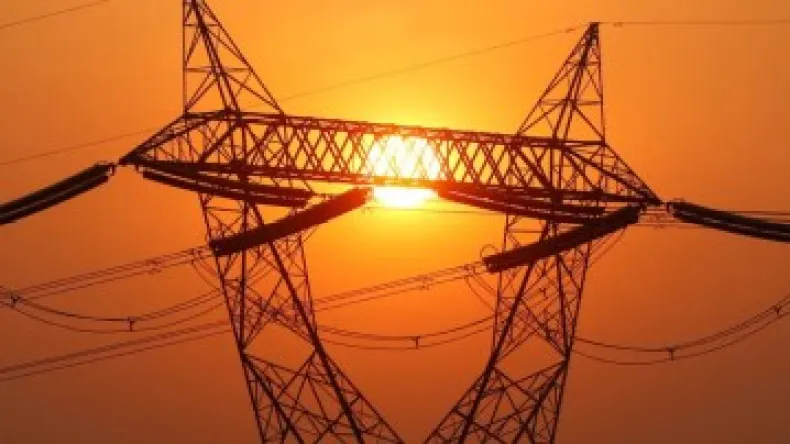
Power supply disruptions affected several Algerian provinces due to a technical fault, coinciding with severe heat waves and high humidity. These significant outages occurred across a number of provinces, directly impacting residents and businesses. The outages were attributed to the challenging weather conditions, with severe heat waves and high humidity specifically cited as having caused the recorded technical malfunction. This combination of environmental stress and technical failure presented a significant challenge to the national electricity grid.
Grid Fluctuations and Immediate Response
The technical fault triggered sequential fluctuations across the electrical grid, specifically impacting parts of Algeria's eastern provinces. These fluctuations, originating from the primary fault, led to widespread instability in the power supply. Recognizing the critical nature of the situation, immediate interventions were launched by technical teams to restore the electricity supply to affected areas. These teams commenced their work without delay, focusing on stabilizing the network and bringing power back online for consumers. State energy company Sonelgaz confirmed that its employees have been mobilized around the clock to address the ongoing issue and work towards stabilizing the grid. This continuous effort shows the commitment to resolving the power crisis swiftly and efficiently.
Root Cause and Contributing Factors
The technical fault originated at a major main electrical facility located in the Sidi Okba region of Biskra province. This facility's malfunction was the primary catalyst for the initial widespread disruptions. Sonelgaz clarified that while this incident caused disruptions, fluctuations experienced in other provinces are attributed to local reasons linked to high temperatures. The company stated these localized issues are distinct from the primary fault in Sidi Okba, indicating a combination of factors contributing to the widespread power challenges across Algeria. The extreme heatwave and associated high humidity are cited as significant environmental stressors exacerbating grid stability, not only causing the initial technical fault but also contributing to these subsequent localized problems. Technical teams continue to work on both the primary fault and these localized temperature-related issues to stabilize the national electricity supply, addressing the multifaceted nature of the power disruptions. The distinction between the main fault and the localized high-temperature issues is key for understanding the full efforts being undertaken to restore full functionality to the grid.
Official Oversight and Restoration Efforts
Prime Minister Aïmene Benabderrahmane, Minister of Energy and Renewable Energies Mustapha Guitouni, and Advisor to the President Kamal Sidi Saïd visited the National Electricity Grid Control Center in the capital. The high-level delegation's presence showed the government's attention to the ongoing power disruptions and the urgency of the situation. Their visit allowed for direct oversight of the measures being implemented to address the widespread outages. Regarding the restoration efforts, Khalil Hadna, Director of Media and Communication at the Ministry of Energy and Renewable Energies, affirmed that "All supplies will gradually return to normal." This statement reassured the public about the progressive stabilization of the electrical grid following the technical fault and challenges posed by the heatwave. The government officials monitored the situation directly from the control center, overseeing the measures implemented to address the widespread outages and ensure a systematic approach to restoring full power across the affected regions. The coordinated response from various government levels notes the national importance placed on resolving the power supply issues.