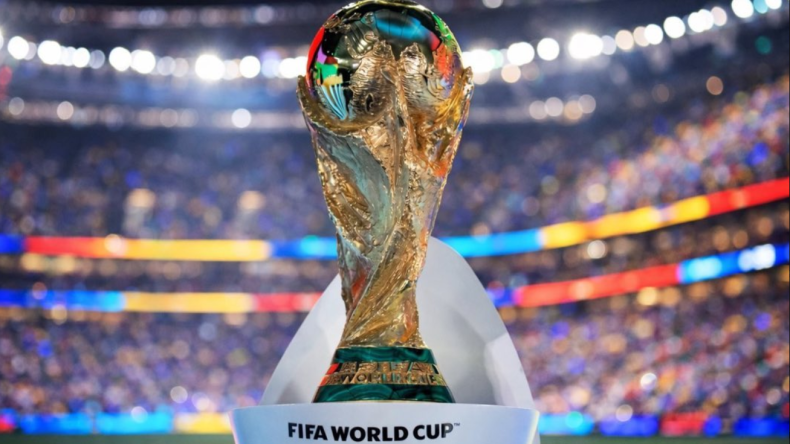
FIFA announced an unprecedented change for the 2026 World Cup final, which will be played next Sunday, starting at 8 PM Algiers (Algeria) time. The organization confirmed plans to extend the traditional halftime interval for the championship match. This alteration aims to accommodate a major artistic performance, marking a significant departure from previous World Cup final formats. The decision by FIFA to implement this unprecedented change for the 2026 World Cup final shows its commitment to evolving the event into a more full entertainment spectacle.
Unprecedented Halftime Extension
FIFA has decided to extend the halftime interval of the World Cup final to accommodate a substantial artistic performance. The governing body confirmed the break will now range between 25 and 30 minutes, a move designed to facilitate a large-scale show during the championship match. This extension aims to integrate major entertainment elements into the final, departing from the traditional 15-minute halftime period. The decision reflects FIFA's intention to enhance the spectacle of the World Cup final, positioning it as not only a premier sporting event but also a global entertainment platform. This specific extension of the halftime break, ranging from 25 to 30 minutes, is a direct result of FIFA's decision to stage a large artistic performance during the final. The artistic performance is expected to feature prominent global acts, aligning with similar entertainment formats seen in other major sporting events, thereby enriching the overall fan experience.
Star-Studded Performance Lineup
The referee assigned to the World Cup final will officially approve the extension of the halftime break, signifying a procedural adaptation for the event. This approval is a key step in implementing the new format, which aims to integrate a major artistic showcase into the championship match. The referee's endorsement of this extended period is key for adhering to the modified regulations for this specific event.
According to The Times, the performance lineup is expected to feature prominent global music stars. The newspaper reported that artists such as Justin Bieber, Shakira, Madonna, BTS, Burna Boy, and Coldplay are anticipated to participate in the halftime show. This ensemble of international acts is intended to elevate the final's entertainment value, aligning it with major global spectacle events. The inclusion of such a diverse and globally recognized group of artists notes FIFA's ambition to create a memorable cultural moment in addition to the sporting contest. Their participation is expected to draw a massive global audience, further solidifying the World Cup final's status as a premier entertainment event.
Context and Precedents
The laws of the game stipulate that the halftime interval in a football match should not exceed 15 minutes. This established regulation governs standard play across all FIFA-sanctioned competitions. This long-standing rule ensures consistency and fairness in match pacing.
However, a precedent for extending this period exists from the Club World Cup final, where the halftime break was previously extended to 24 minutes. This earlier extension also accommodated a similar artistic performance, signaling FIFA's willingness to adapt regulations for major entertainment spectacles. The move for the World Cup final aligns with this prior instance, indicating a growing trend to integrate large-scale shows into significant football events. The experience gained from the Club World Cup final's 24-minute extension for an artistic show has likely informed the current decision to prolong the break for the upcoming World Cup final. This demonstrates a considered approach by FIFA to balance traditional football regulations with the demands of a modern global entertainment product.
Implications and Future
The extension of the halftime interval for the FIFA World Cup final signifies a strategic shift by FIFA to integrate major entertainment with its premier sporting event. This decision could set a new precedent for future tournaments, potentially transforming how global sports finals are presented. It reflects a growing trend to enhance the spectacle beyond the game itself. The 2026 World Cup final, scheduled for next Sunday at 8 PM Algiers time, will be the first to feature this significantly extended halftime, potentially reshaping expectations for future major sporting events worldwide.