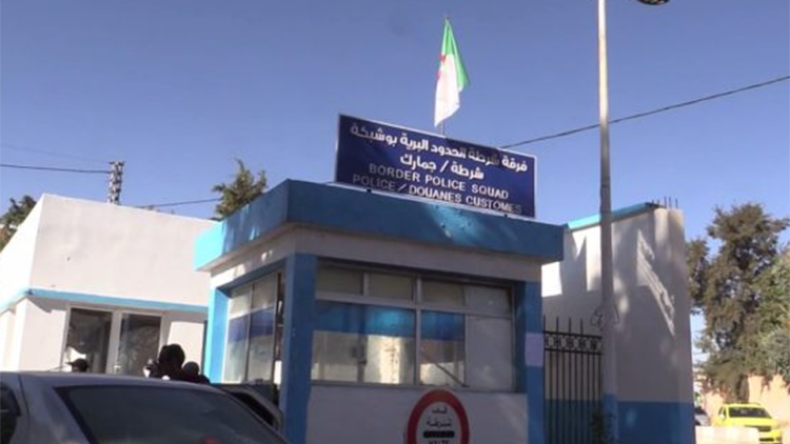
Border crossings within the Tebessa Regional Customs Directorate (المديرية الجهوية للجمارك بتبسة) region are experiencing significant increases in travelers and vehicles this summer, a period marked by heavy traffic at these key transit points. These crossings, vital for regional movement and trade, include Bouchebka (بوشبكة) in El Houidjebat (الحويجبات) municipality and Ras El Aoun (راس لعيون) in Ain Zerga (عين الزرقاء) municipality. Further contributing to the surge are the El Merig (المريج) and Betita (بتيتة) crossings, both located in Bir El Ater (بئر العاتر) municipality. The current summer season has seen a notable uptick in activity across all these border points, reflecting their importance in facilitating cross-border passage.
Key Crossings Detailed
The Tebessa Regional Customs Directorate oversees operations at four distinct border crossings, strategically positioned to manage the flow of people and goods in the region. Among these, the Bouchebka crossing is recognized as one of the largest land crossings nationally, noting its critical role in the country's border infrastructure. The operation encompassing these four crossings — Bouchebka in El Houidjebat municipality, Ras El Aoun in Ain Zerga municipality, and El Merig and Betita in Bir El Ater municipality — is currently managing a substantial influx of travelers and vehicles. Data indicates that the Bouchebka and Ras El Aoun crossings collectively manage an average daily traffic of approximately three thousand travelers. Additionally, these two crossings see the passage of around 900 vehicles each day, reflecting their significant role in regional movement and their capacity to handle high volumes of traffic during peak seasons. This consistent daily activity shows the strategic importance of these border points for both local and international transit.
Digital Transformation Initiatives
In response to the growing demands and to enhance efficiency, the Customs Department in Tebessa has implemented qualitative transformations, particularly in the realm of digitization. This initiative has led to the introduction of new digital services designed for both travelers and economic operators, aiming to streamline and modernize border procedures. These services were launched across 2025 and 2026, marking a significant update to border operations within the directorate. Among the key features of these digital services are the digitization of transit documents and currency declarations. This modernization effort is part of a broader strategy to improve the speed and accuracy of processing, reducing wait times and enhancing the overall experience for individuals and businesses utilizing the region's border crossings. The focus on digital solutions is expected to further optimize the flow of traffic and facilitate smoother interactions at these vital entry and exit points.
Summer Traffic Statistics
Since the start of the summer season, the Ras El Aoun crossing has processed a substantial volume of traffic, indicative of the heightened activity across the region. Approximately 70,000 Algerian citizens have traversed this border point, utilizing it for various purposes including tourism, family visits, and trade. Concurrently, the crossing has also facilitated the movement of around 30,000 foreign nationals, showing its role as a key international gateway. These figures contribute to the overall increase in activity observed at border crossings within the Tebessa Regional Customs Directorate (المديرية الجهوية للجمارك بتبسة) region. The influx of travelers reflects heightened summer movement through key points such as Ras El Aoun, located in Ain Zerga (عين الزرقاء) municipality, which is one of the primary conduits for regional passage alongside other significant crossings like Bouchebka (بوشبكة). This heavy traffic of travelers and vehicles during summer notes the operational challenges and the successful management efforts by the Customs Department to ensure efficient passage.