President Abdelmadjid Tebboune appointed Saad Arous as the new head of Algeria's Independent National Electoral Authority. The appointment was made as part of an effort to reorganize the authority and adapt its operations to new provisions within the election law. This reorganization follows the completion of the last legislative elections in the country. The move aims to ensure the electoral body functions in alignment with updated legal frameworks and strengthens its role in overseeing future polls. The formal appointment of a new leader is a significant step in the ongoing electoral reform process.
Electoral Body Reorganization
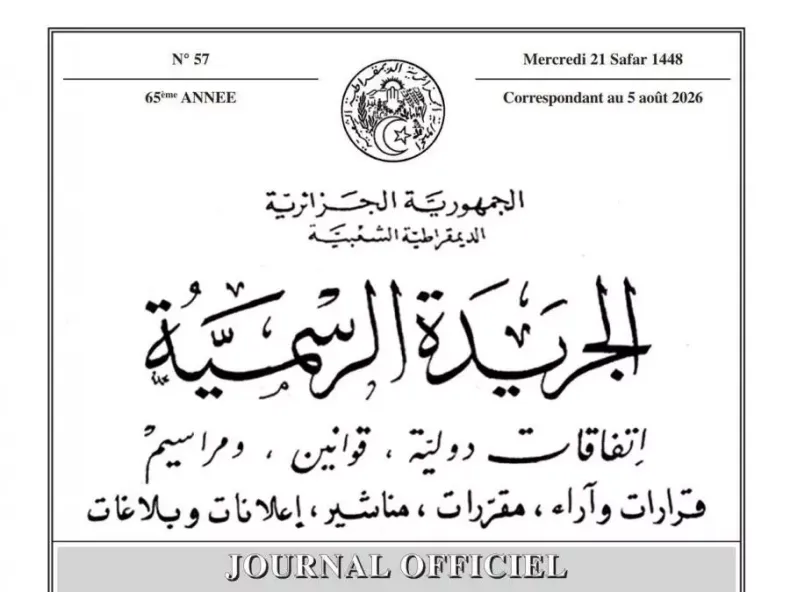
The Independent Authority's appointment and reorganization align with Algeria's amended election law. This commitment to legal adherence shows the government's dedication to transparent and fair electoral processes. Organic Law No. 26-10, dated April 4, 2026, details the composition of the Independent Authority's council in its Article 21. This article stipulates that the council comprises ten members, all appointed by the President of the Republic. These members are selected from independent figures within the country, ensuring a non-partisan approach to electoral oversight. One specific seat is reserved for a member from the national community residing abroad, reflecting the inclusive nature of Algeria's electoral framework and acknowledging the diaspora's importance. Each council member serves a non-renewable term of six years, ensuring a structured and consistent period of oversight for the electoral body and promoting stability in its leadership. This fixed term is designed to insulate the authority from short-term political pressures, allowing it to operate with greater autonomy.
Context of Upcoming Elections
Political parties and forces in Algeria are currently preparing to reorganize their ranks ahead of the upcoming local elections. This preparation involves strategizing and positioning themselves to enter the electoral race at the local level. The anticipation of these elections notes the immediate relevance of Saad Arous's appointment and the broader reorganization efforts. The electoral body's readiness is key for managing the logistical and administrative challenges inherent in local polls, which often involve a large number of candidates and constituencies. The broader article discussing these developments is dated August 25, 2026, emphasizing the timeliness of these reforms as the nation looks towards its next electoral cycle. The careful preparation by political entities signifies the competitive nature of the forthcoming contests.
Political Class Welcomes Change
The decision to appoint a new head for the Independent National Electoral Authority has been met with approval from various political figures. Members of the political class, along with deputies and senators, welcomed the change, viewing it as a positive development for the country's democratic institutions. The move is viewed as a step towards reinforcing the electoral process within the country, enhancing its credibility and effectiveness. Observers noted that such appointments are key for maintaining confidence in the institutions overseeing national elections, particularly as Algeria prepares for upcoming local polls. The broad acceptance from legislative and political circles signals a consensus regarding the reorganization efforts initiated by President Abdelmadjid Tebboune, suggesting a shared commitment to strengthening electoral governance. This widespread support is vital for the successful implementation of the reforms and for ensuring public trust in the electoral outcomes.
Mandate and Responsibilities
Saad Arous assumes the leadership of the Independent National Electoral Authority, succeeding Abdelkrim Khelfan, who had been serving in an interim capacity. This transition marks a formal handover of responsibilities and the beginning of a new chapter for the authority. The appointment aligns with Algeria's constitutional framework, showing the legal basis of the electoral body's structure and leadership. Article 201 of the Constitution, as amended by Law No. 26-04 dated March 26, 2026, stipulates that the President of the Republic is responsible for appointing the head and all members of the Independent National Electoral Authority. These appointments are made for a single, non-renewable term lasting six years, ensuring a defined period of service for the electoral body's leadership and fostering independence by preventing reappointments based on political expediency. This constitutional provision reinforces the authority's mandate and its critical role in safeguarding the integrity of Algeria's elections.