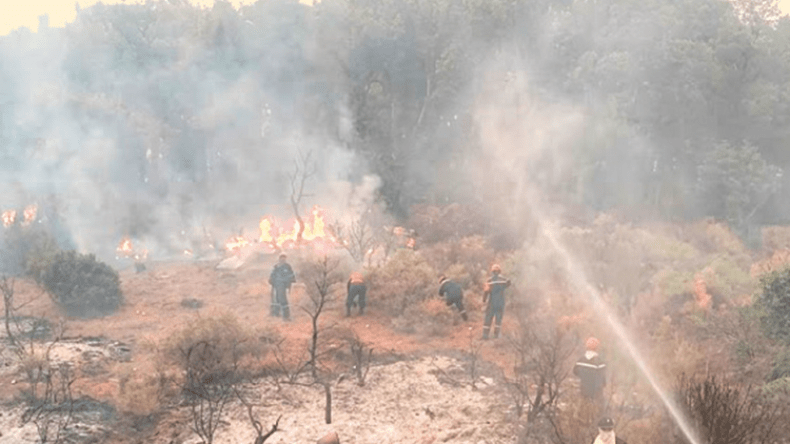
A series of fires have been burning for approximately two weeks across multiple provinces, prompting a significant state response and causing widespread devastation. The fires have caused considerable losses, impacting property, forests, vegetation, agricultural crops, fruit trees, and livestock across affected regions. A ministerial delegation, led by the Minister of Interior, visited Annaba to assess the situation and coordinate relief efforts. The state has pledged to undertake a full enumeration of all material losses resulting from these fires. This assessment will be conducted directly in the field, involving coordination with various concerned departments to ensure accuracy and thoroughness. The fires have impacted numerous regions, requiring coordinated intervention from emergency services and government agencies to support affected populations and manage the ongoing crisis. This systematic enumeration aims to provide a clear picture of the damage to facilitate recovery and aid distribution, ensuring that all those affected receive the necessary support. The government's commitment shows the severity of the situation and the broad scope of the challenges faced by communities across the country.
Nationwide Fire Outbreak Details
Approximately 160 fires were recorded across various northern provinces, noting the extensive nature of the crisis. The Civil Protection Directorate announced the recording of 195 fires across the country in the last twenty-four hours, indicating a persistent and widespread emergency. Out of these, 142 fires were extinguished, demonstrating the tireless efforts of firefighting teams, while firefighting operations continue for 53 blazes across 15 provinces, showing the ongoing challenges.
The fires are distributed across multiple regions, with varying degrees of intensity and impact. Annaba and Souk Ahras each reported 3 fires, requiring local emergency services to respond swiftly to contain the blazes within their jurisdictions. Skikda, however, registered a significantly higher number with 18 fires reported, making it one of the most severely affected provinces. Other affected provinces include Guelma (3 fires), Bouira (1 fire), Medea (2 fires), Mascara (2 fires), Mila (1 fire), El Tarf (7 fires), Jijel (4 fires), Constantine (1 fire), Bejaia (5 fires), Tlemcen (1 fire), Saïda (1 fire), and Timimoun (1 fire). These figures illustrate the geographical breadth of the crisis, stretching from coastal areas to more inland regions. Skikda recorded the largest number of ongoing fires, with over 90 blazes occurring in the province over the period, indicating a particularly critical situation. Skikda has averaged 15 fires per day, affecting 16 municipalities within its jurisdiction, which speaks to the relentless pressure on local resources and emergency responders. The sheer volume of incidents in Skikda has necessitated a sustained and intensive firefighting effort, with teams working around the clock to bring the situation under control. The widespread distribution of these fires has placed an immense strain on national emergency services, requiring extensive coordination and resource allocation across multiple administrative divisions to manage the crisis effectively.
Climatic conditions have exacerbated the situation, playing a critical role in the rapid ignition and spread of the fires. In Mila, temperatures exceeded 45 degrees Celsius during peak times, creating extremely dry and combustible conditions that contributed significantly to the rapid spread of fires. These high temperatures, combined with low humidity, created an environment highly conducive to fire outbreaks and their swift escalation. Similar difficult climatic conditions were observed in Batna, where fires occurred amidst high temperatures and strong winds, further complicating firefighting efforts and increasing the risk of rapid fire propagation. The presence of strong winds can turn small blazes into large, uncontrollable infernos within a short period, making containment exceedingly difficult. The heatwave in Skikda was particularly severe, reaching a scorching 49 degrees Celsius, which not only intensified the fires but also posed significant health risks to firefighters and residents alike. This extreme heat further complicated firefighting efforts in the province, making it challenging to control the numerous blazes and protect communities. The combination of prolonged drought, high temperatures, and strong winds has created a perfect storm for these widespread and destructive fires, demanding an urgent and strong response from all levels of government and emergency services. The challenging weather patterns have been a major factor in the persistence and severity of the fire outbreaks across the affected provinces.
Impact and Evacuations
The immediate impact of the fires has necessitated critical safety measures, including large-scale evacuations to protect human lives. Patients were evacuated from Seridi hospital in Seridi, Annaba, as fires intensified in the area and posed a direct threat to the medical facility. This swift action ensured the safety of vulnerable patients and healthcare staff. Concurrently, the 'Montazah' hotel and several residences in the vicinity were also evacuated as a precautionary measure to ensure the safety of occupants, moving individuals away from immediate danger zones. These evacuations were part of broader efforts to manage the immediate impact of the blazes in residential and critical infrastructure zones, prioritizing public safety above all else. The coordinated response aimed to minimize casualties and protect essential services during the escalating crisis.
In Guelma, fires have persisted for two weeks, causing significant human tragedy and placing immense strain on local communities. The prolonged duration of these fires has resulted in three fatalities since July 8th, noting the severe and often tragic consequences of the ongoing blazes. The loss of life shows the extreme danger posed by these wildfires and the urgent need for effective containment. The continuous nature of these fires has placed significant strain on emergency services and local communities in the province, who have been working tirelessly to combat the flames and support affected residents. The authorities have been working to contain the blazes while addressing the humanitarian consequences of the ongoing crisis, providing aid and assistance to those who have lost loved ones or been displaced.
Fires in Mila affected six municipalities, leading to the destruction of dozens of hectares of land, including valuable agricultural areas and natural habitats. The widespread impact across multiple municipal areas notes the extensive reach of the blazes in the province and the challenges in containing them. Local agricultural resources and natural habitats have sustained considerable damage due to the intensity and spread of the fires, threatening livelihoods and ecological balance. The loss of such vast tracts of land has long-term implications for the local economy and environment.
In Batna, a fire incident resulted in the death of seven livestock animals, representing a significant economic blow to the affected families who rely on these animals for their livelihood. Additionally, the same incident led to the burning of three tents belonging to Bedouin communities, displacing residents and destroying their homes. The loss of livestock represents a significant economic blow to the affected families, impacting their ability to sustain themselves, while the destruction of tents displaced residents, leaving them without shelter. Emergency services responded to assist those impacted by the fire, providing immediate relief and support to the affected Bedouin families.
The largest fires in Mila were recorded in the Qarqous area of El Ayadi Barbas municipality, where approximately 70 hectares of fruit trees and bushes were destroyed. This specific incident shows the extensive damage to agricultural land and natural vegetation, particularly to high-value crops such as fruit trees. The destruction of fruit trees carries long-term economic implications for local farmers in the region, as these trees represent years of investment and a primary source of income. The continuous effort to control these major blazes has been a priority for firefighting units, who have been battling difficult terrain and challenging conditions to protect vital agricultural assets. The scale of destruction in this area alone notes the profound economic impact of the fires on local communities and the agricultural sector.
In Skikda, the fires led to the disappearance of citizen Mahgoun Rabie in the forests of Oum Toub since last Friday, prompting search and rescue operations by emergency services. This incident shows the direct threat to human life posed by the uncontrolled spread of the fires. Additionally, dozens of individuals suffered from suffocation due to smoke inhalation in the province, requiring urgent medical attention. Emergency services have been working to locate missing persons and provide medical assistance to those affected by the smoke, setting up temporary medical posts and distributing masks. The situation in Skikda remains critical, with extensive damage reported to both natural landscapes and residential areas, and the search for missing persons continues amidst the challenging conditions.
Nine families were evacuated to a shelter in the municipality of Frejijja in Mila, providing them with a safe haven away from the immediate danger posed by the fires. The evacuations were conducted as a precautionary measure due to the proximity of the fires to residential areas, ensuring that no lives were put at unnecessary risk. Authorities provided temporary accommodation and support for the displaced families, including food, water, and basic necessities, to help them cope with the disruption. These efforts are part of broader humanitarian responses to ensure the safety and well-being of residents in fire-affected zones, demonstrating the government's commitment to protecting its citizens during this crisis. The provision of shelter and essential services is key for supporting communities through the immediate aftermath of such destructive events.
Government Commitment and Next Steps
The fires have caused considerable losses, impacting property, forests, vegetation, agricultural crops, fruit trees, and livestock across affected regions, leading to significant economic and environmental damage. Minister of Interior, Local Authorities and Transport, Saïd Sayoud, announced on Wednesday morning in Annaba that the state is committed to standing by citizens affected by forest fires, reiterating the government's unwavering support. He emphasized the government's resolve to assist those who have suffered damage from the ongoing blazes, pledging full support for recovery and rebuilding efforts. This commitment includes the aforementioned enumeration of material losses, which will form the basis for aid distribution and reconstruction plans.
Security investigations are underway to determine the nature of these fires, with authorities seeking to understand the precise causes behind the widespread outbreaks. Authorities are examining whether the blazes were caused by natural phenomena, such as lightning strikes or extreme heat, or by criminal reasons, including arson or negligence. The ongoing probes aim to establish the origins of the fires, which have spread across multiple provinces, affecting communities and infrastructure, and to hold any responsible parties accountable. The findings of these investigations will inform further actions by the state, potentially leading to new prevention strategies, stricter enforcement, or legal proceedings against those found responsible for criminal acts. This full approach shows the government's determination to not only manage the current crisis but also to prevent future occurrences and ensure justice for the affected communities. The outcome of these investigations is key for understanding the full scope of the disaster and for implementing effective long-term solutions.