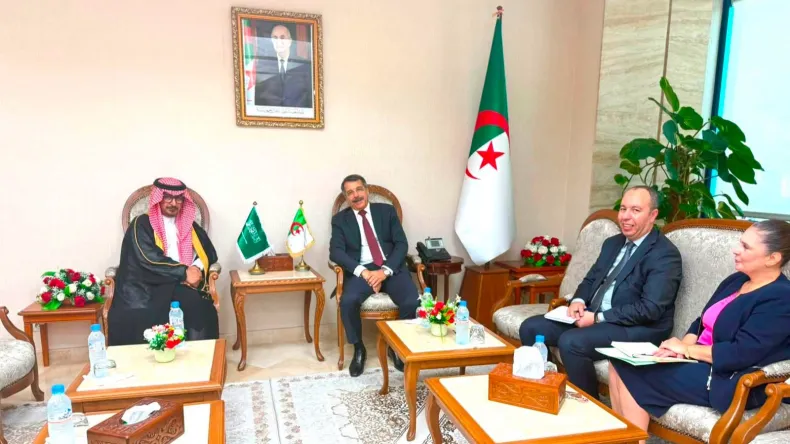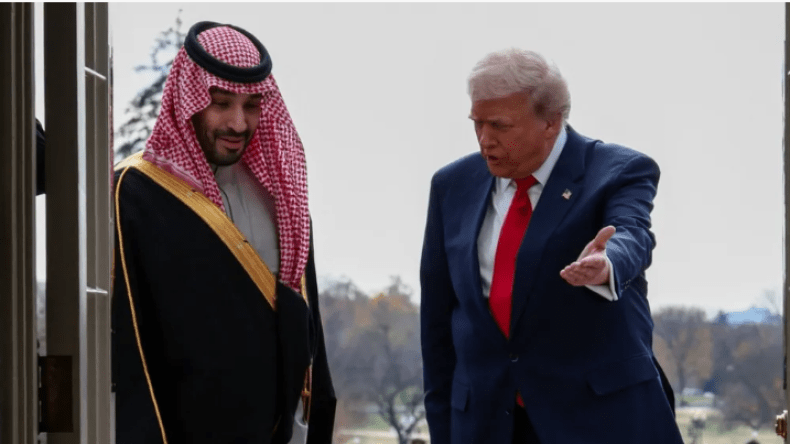
The United States and Saudi Arabia are preparing to enter a new phase of cooperation in civil nuclear energy, marking a significant development in their bilateral relations. The administration of US President Donald Trump is nearing the submission of an expected nuclear agreement to Congress, intending to deliver a "Section 123 Agreement" in the coming days. This specific type of agreement, known as a "Section 123 Agreement," is a key regulatory framework for civil nuclear cooperation between the two countries. Its primary purpose is to pave the way for American companies to participate actively in developing the nuclear energy sector in Saudi Arabia. The deal aims to establish a full legal framework for peaceful nuclear energy collaboration, encompassing various aspects such as building nuclear reactors and facilitating the exchange of expertise and technologies between the two nations. This initiative shows a strategic effort to deepen technological and energy ties.
Deal Framework and Saudi Goals
The Saudi program is specifically aimed at diversifying the kingdom's energy sources, a key component of its long-term economic strategy. Beyond energy diversification, the program also seeks to support its broader economic development initiatives, contributing to the nation's ambitious vision for growth and modernization. The proposed agreement between the United States and Saudi Arabia establishes a strong legal framework for cooperation across the entire nuclear fuel cycle, a critical aspect of nuclear energy development. This framework meticulously outlines the parameters for collaboration in various technical and operational aspects of civil nuclear energy, ensuring clarity and structure for future joint ventures. Any transfer of technology or equipment under this agreement will not be automatic. Instead, such transfers will be subject to separate, specific agreements and established procedures, ensuring controlled dissemination of sensitive materials and knowledge and adherence to international best practices.
Concerns Over Non-Proliferation
Despite the framework for cooperation, the agreement between the United States and Saudi Arabia does not include the "Golden Standard." This provision typically serves as a strong non-proliferation measure, preventing partnering countries from enriching uranium or reprocessing spent nuclear fuel, thereby limiting access to materials that could be used for weapons. This exclusion has raised significant concerns among a number of US lawmakers and nuclear non-proliferation experts, according to various reports, who advocate for the strictest non-proliferation safeguards.
The proposed agreement also omits the "Additional Protocol" of the International Atomic Energy Agency (IAEA). The "Additional Protocol" is an essential international instrument that grants the IAEA broader oversight powers over nuclear activities, including more full inspections, to ensure the peaceful use of nuclear technology and prevent diversion. While these omissions are noted and have drawn scrutiny, the agreement does not, by itself, mean the transfer of uranium enrichment technologies to Saudi Arabia. The absence of these specific provisions, however, has become a focal point for discussions surrounding the deal's implications for global non-proliferation efforts.
Congressional Review Process
The agreement is set to undergo a rigorous 90-day review period in the United States Congress, a standard procedure for such significant international accords. During this critical time, lawmakers possess the inherent right to object to the proposed deal, enabling a strong legislative check on the executive branch's foreign policy initiatives. This review period allows for thorough legislative scrutiny of the terms and implications of the civil nuclear cooperation, providing an opportunity for detailed examination of its economic, security, and non-proliferation aspects. If Congress does not pass legislation to obstruct the agreement within the stipulated 90-day timeframe, the deal will then formally enter into force, becoming binding international law. This process provides a vital opportunity for congressional oversight on significant international agreements involving nuclear technology, ensuring accountability and transparency. The administration anticipates submitting the Section 123 Agreement to Congress in the coming days, initiating this key review period.