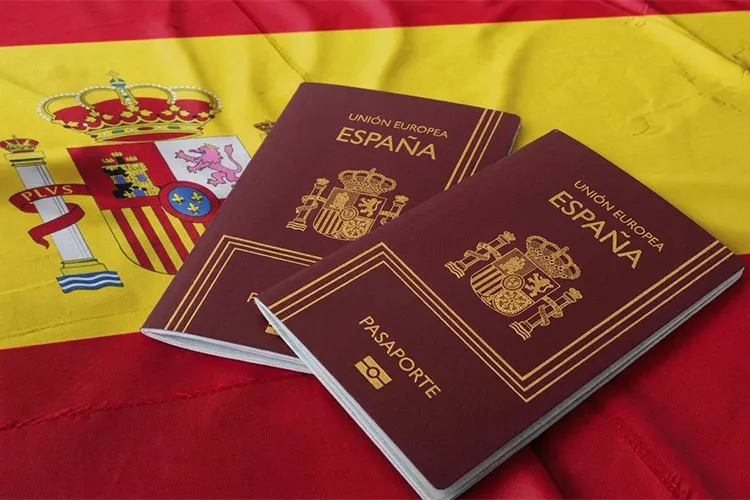
The Spanish parliament has approved legislation granting citizenship to Sahrawis born under Spanish rule in Western Sahara. This significant legislative action marks a key moment for the Sahrawi people. The new law extends Spanish nationality to individuals born during the period of Spanish administration before Spain withdrew from Western Sahara in 1975. This legislative action will allow those Sahrawis who were born prior to Spain's departure from the territory to apply for Spanish citizenship. Approximately 110,000 Sahrawis have been identified as potential beneficiaries of Spain's new citizenship bill, offering a pathway to Spanish nationality for a substantial portion of the Sahrawi population. The approval of this legislation by the Spanish parliament shows a renewed focus on the historical ties and obligations of Spain towards the territory.
Historical Context and Legal Standing
Spain remains designated as the administering power of Western Sahara under the United Nations' classification. This designation notes Spain's ongoing international responsibilities despite its withdrawal decades ago. The territory's status has been a long-standing international issue following Spain's withdrawal, which left a power vacuum that Morocco subsequently sought to fill.
The "Green March" was a mass mobilization orchestrated by the late King Hassan II, aiming to assert Moroccan claims over Western Saharan territory. This event, which involved tens of thousands of Moroccan civilians marching into Western Sahara in 1975, marked a significant turning point in the region's geopolitical landscape, immediately following Spain's departure. The "Green March" is widely viewed as Morocco's strategic move to establish its presence in the territory.
Former ambassador Amar Belani referenced the opinion of UN Legal Counsel Hans Corell from January 29, 2002, in a recent Facebook post. Corell's opinion addressed the legality of natural resource exploitation in Western Sahara and is frequently cited in discussions concerning the territory's international legal standing, particularly regarding the rights of the Sahrawi people over their resources. The United Nations legal opinion did not recognize any transfer of sovereignty to the Moroccan regime following Spain's withdrawal from the territory, reinforcing the international community's view that the final status of Western Sahara remains unresolved.
Morocco's Position and Regional Dynamics
Disagreements over voter eligibility, particularly concerning the inclusion of Moroccan settlers and their descendants, contributed to the failure to hold the 1991 referendum on self-determination for Western Sahara. This issue has been a persistent obstacle to resolving the conflict. Morocco has expressed discontent regarding the Spanish citizenship bill, which grants nationality to Sahrawis born under Spanish rule, viewing it as an interference in its claims over the territory. Rabat has also sought to manipulate census figures, aiming to entrench its occupation of Western Sahara and bolster its demographic claims. Additionally, Madrid shifted its position in March 2022 to support Morocco’s autonomy proposal for the territory, marking a significant change in Spanish foreign policy towards the dispute and drawing criticism from Sahrawi representatives and their allies. This shift in Spain's stance complicated the already intricate diplomatic landscape surrounding Western Sahara.
Renewed International Attention
Approximately 110,000 Sahrawis have been identified as potential beneficiaries of Spain's new citizenship bill. This legislation has drawn renewed focus on the international legal standing of Western Sahara, prompting discussions about the territory's future and the rights of its indigenous population. A United Nations legal opinion did not recognize any transfer of sovereignty to the Moroccan regime following Spain's withdrawal from the territory, consistently affirming the unresolved status of Western Sahara under international law. The international community continues to monitor developments closely, recognizing the complexities of the situation.
Implications for Self-Determination
Spain's adoption of the Sahrawi naturalization law has brought renewed attention to its status as the administering power of Western Sahara, and its historical responsibilities. This legislative development places a renewed focus on the territory's international legal standing and the imperative for a lasting resolution. A United Nations-brokered settlement plan, adopted in 1991, previously provided for a referendum on self-determination in Western Sahara. The plan aimed to resolve the long-standing dispute over the territory's future through a democratic process, though it was never fully implemented due to persistent disagreements. The recent Spanish citizenship initiative has reignited discussions surrounding the international obligations of Spain concerning the region and the potential for a new path towards self-determination for the Sahrawi people, reminding the international community of the unresolved aspirations of the Sahrawi population.