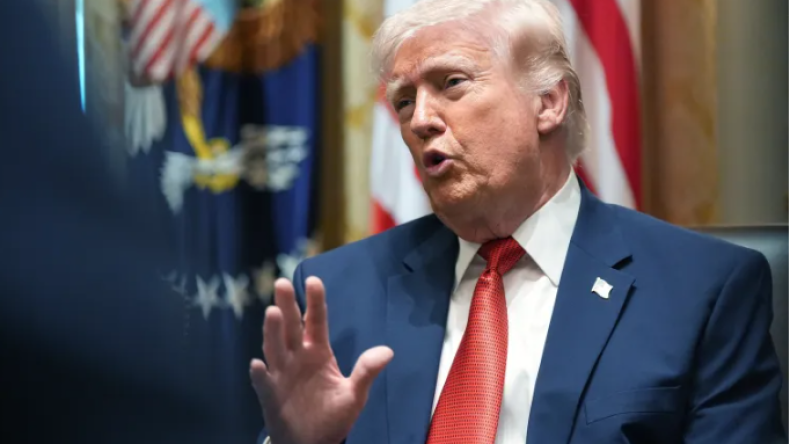
Donald Trump blamed Iran for a pipeline attack in Saudi Arabia, making the remarks in Ireland during a visit. The attack specifically targeted Saudi Arabia's vital energy infrastructure, a critical component of global oil supply. This incident led to the precautionary stoppage of the "East-West" pipeline, a significant conduit for crude oil across the Kingdom, according to an official announcement from the Kingdom's Ministry of Energy. Mr. Trump's statement came in response to a journalist's question while he was in Ireland, providing his immediate assessment of the situation.
Pipeline Disruption and Accusations
U.S. President Donald Trump stated his belief that Iran was likely responsible for the pipeline attack in Saudi Arabia. Speaking to reporters, Mr. Trump directly addressed the attribution, saying in Arabic, "أعتقد أنهم هم (الإيرانيون)، على الأرجح هم" (I think it's them (the Iranians), most likely them). He made these definitive remarks while on a visit to Ireland, where he was engaging with international press. Despite the gravity of the accusation and the potential for heightened regional tensions, President Trump expressed confidence regarding the situation, adding that "ستسير على ما يرام" (it will be fine). The American president's comments directly linked Iran to the recent disruption of Saudi Arabia's energy infrastructure, an accusation that carries significant diplomatic weight. This public attribution by a head of state shows the seriousness with which the United States views the incident and its potential perpetrators.
Reassurance Amid Tensions
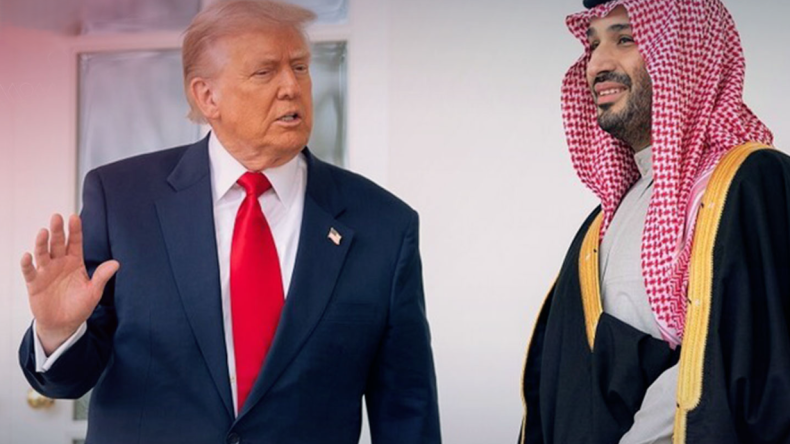
President Donald Trump conveyed a message of reassurance following the pipeline attack, aiming to calm concerns about regional stability and energy supplies. He confirmed that he had a conversation with Saudi Crown Prince Mohammed bin Salman, whom he referred to as a "good friend" during his remarks to the press. This personal connection was noted as a basis for confidence in managing the aftermath of the attack. The American president also expressed confidence that the situation "will be fine," specifically addressing concerns related to the Saudi pipeline closure and its potential impact on global markets. This reassurance extended to broader issues of maritime navigation, particularly through the Strait of Hormuz, an essential passage for a significant portion of the world's oil shipments. Mr. Trump's comments aimed to alleviate apprehension regarding the stability of energy supplies and regional security, emphasizing continued cooperation with key allies. He reiterated his belief that things "will be fine" regarding both the Saudi pipeline issues and the critical maritime routes.
Context and Diplomatic Ties
The accusation from Donald Trump comes amid existing diplomatic complexities involving the United States, Saudi Arabia, and Iran. The relationship between the United States and Saudi Arabia has been characterized by strategic alliances, particularly concerning regional security and energy markets. Saudi Crown Prince Mohammed bin Salman maintains close ties with the American administration, a relationship often noted by President Trump in his public statements. This strong bilateral relationship forms a key backdrop to the U.S. President's rapid response and attribution. Conversely, tensions between the United States and Iran have escalated significantly, especially following the American withdrawal from the Joint Full Plan of Action (JCPOA) and the subsequent re-imposition of stringent sanctions. This backdrop of strained relations with Iran and a strong alliance with Saudi Arabia provides critical context for the U.S. President's swift attribution regarding the pipeline attack. The Strait of Hormuz, a critical maritime passage for oil shipments, is a focal point of these regional dynamics, with both Saudi Arabia and Iran having significant interests in its stability and control, making any disruption a matter of international concern. The President's remarks in Ireland, therefore, were not just an accusation but also a statement on the broader geopolitical landscape.